Anesthesia for old dogs is one of the most searched topics among owners who notice their senior pet’s teeth deteriorating but hesitate to schedule a dental procedure. The concern is legitimate. Older animals process anesthetic agents differently than younger ones, and the gap in physiological reserve that comes with age is real. What gets lost in most discussions is the precision: risk in senior dogs is not uniform, it is not inevitable, and it is not a reason to avoid all dental care.
The fear of anesthesia often leads owners to delay dental treatment entirely, which creates its own set of consequences. Plaque builds into tartar, tartar advances into gum inflammation, and gum disease progresses into systemic infection without ever producing the dramatic signs an owner might expect. A dog can have significant periodontal disease and still eat, play, and appear comfortable. The silence of the problem is part of what makes it dangerous.
This article addresses the specific question most owners are actually asking: not “is anesthesia bad,” but “what is the real level of risk for my dog, at this age, with this health profile, and what are my options.” The answer requires separating two distinct categories of dental care, preventive maintenance and curative treatment, because they carry entirely different risk profiles.
Understanding that distinction is what turns a paralyzing fear into a practical decision. The sections below cover anesthesia risk in senior dogs with clinical specificity, what happens when dental care is postponed, when anesthesia-free cleaning is appropriate for older animals, and when veterinary anesthesia is genuinely necessary.
Is anesthesia safe for senior dogs?
Anesthesia in senior dogs is not categorically unsafe, but it carries statistically higher risk than in younger animals, particularly when organ function has declined or chronic disease is present. The American Veterinary Medical Association recommends pre-anesthetic exams and blood panels for all senior dogs before any procedure involving sedation, precisely because age amplifies the consequences of undetected conditions.
A dog classified as “senior” by most veterinary standards falls into the 7-and-older range for large and giant breeds, and 10 and older for small breeds. This designation matters clinically because of what changes at the physiological level: kidney filtration slows, liver metabolism decreases, cardiac output becomes less efficient, and the respiratory system loses some of its compensatory capacity.
These are not hypothetical risks. They are the mechanisms through which anesthetic agents, most of which are processed by the kidneys and liver, can become harder to clear in older animals.
Recovery time also extends. A two-year-old dog that goes under for a dental procedure typically stabilizes within a few hours. A 12-year-old dog with borderline kidney function may take significantly longer to reach full consciousness and may experience a more pronounced drop in blood pressure and body temperature during the procedure itself.
None of this means anesthesia is off the table for senior dogs. It means the pre-anesthetic protocol carries more weight, not less.
What makes older dogs more vulnerable to anesthesia
The core issue is organ reserve. Young dogs have a significant physiological buffer: even if one organ system is stressed during anesthesia, the others compensate. Senior dogs operate closer to their functional limits, and that buffer shrinks with age.
Kidney function is particularly relevant because the kidneys filter the majority of anesthetic byproducts. When glomerular filtration rate declines, as it does in aging animals, the clearance of anesthetic agents slows. This prolongs the time the drug remains active in the system and increases the risk of extended sedation, delayed recovery, and post-anesthetic confusion.
Cardiac vulnerability is the second major factor. Anesthetics cause vasodilation and reduce cardiac output, which in a healthy young animal is temporary and manageable. In a senior dog with early-stage heart disease, that same drop in output can trigger hypotension that requires active intervention. Liver function follows the same logic: reduced metabolism means slower drug clearance, which directly affects depth of anesthesia and recovery timeline.
Which conditions raise the risk most
Not every senior dog carries the same anesthetic risk. The clinical profile determines the category, and pre-anesthesia blood work for dogs is the primary tool for that classification. The following table reflects the general risk stratification used in veterinary pre-anesthetic assessment.
| Pre-existing condition | Anesthesia risk level |
| Kidney disease (chronic or early-stage) | High |
| Heart disease (any stage) | High |
| Liver disease or dysfunction | High |
| Diabetes mellitus | Moderate to High |
| Obesity | Moderate |
| Controlled hypothyroidism | Low to Moderate |
| No significant pre-existing disease | Low to Moderate |
Dogs flagged in the high-risk category are not automatically disqualified from anesthesia. They require additional monitoring, adjusted drug protocols, and in some cases, pre-anesthetic stabilization. The how many dogs die from teeth cleaning question is one many owners search precisely because they have seen these categories and want to understand what they mean in real numbers.
What happens when senior dogs skip dental care?
Postponing dental cleaning in a senior dog does not preserve the status quo. Periodontal disease progresses whether the owner is watching, and the consequences accumulate quietly until they reach systemic organs. A study on periodontal disease prevalence in dogs documented that periodontal disease is the most common clinical condition in adult dogs, with significant prevalence starting before age three and increasing with each subsequent year.
For older animals, the calculus is more serious. Plaque and tartar buildup creates a reservoir of bacteria at the gumline that, as gum disease progresses, enters the bloodstream through inflamed tissue. This bacterial load has been associated in veterinary literature with increased incidence of kidney disease and heart disease in dogs, two of the same organ systems that make anesthesia riskier to begin with. Delaying dental care to avoid anesthetic risk can, over time, worsen the very conditions that elevate that risk.
The signs of active periodontal disease in seniors are often subtle until the disease is well advanced. Owners looking for early indicators can review signs your pet might have dental problems, and those wanting to understand the full progression should read understanding dog dental disease for a detailed breakdown of how oral infection connects to systemic health.

How periodontal disease progresses in aging dogs
The progression follows a predictable sequence, but the pace accelerates in senior animals because immune response declines with age and existing organ stress amplifies the systemic impact of bacterial infection.
The visible stages, in order, are:
- Plaque accumulation: soft bacterial film on tooth surfaces, removable with regular brushing in the earliest stage
- Tartar formation: plaque mineralizes into calculus within days to weeks, no longer removable by brushing, and begins irritating gum tissue
- Gingivitis: gum inflammation becomes visible as redness and swelling at the gumline; at this stage, the condition is still reversible with professional cleaning
- Early periodontitis: bone and ligament supporting the tooth begin to deteriorate; gum recession becomes visible and pockets form between tooth and gum
- Advanced periodontitis: significant bone loss, tooth mobility, chronic infection, and bacterial seeding into the bloodstream through ulcerated gum tissue
Senior dogs with active periodontal disease at the gingivitis or early periodontitis stage are strong candidates for preventive dental cleaning before the disease crosses into surgical territory. Waiting until the animal reaches advanced periodontitis converts a preventive issue into a curative one, and curative intervention almost always requires veterinary anesthesia.
Senior dogs typically qualify for anesthesia-free care. See pricing and availability for your area in Florida.
Is anesthesia-free dental cleaning safe for senior dogs?
Anesthesia-free dental cleaning is safe for senior dogs who are in the preventive maintenance category: animals without active infection, advanced periodontal pockets, or conditions that prevent safe handling without sedation.
For this profile, the procedure removes visible plaque and tartar without placing any systemic anesthetic load on already-stressed organs. The absence of sedation, intubation, and drug clearance is exactly what makes it particularly suited to older pets.
The distinction from veterinary dental treatment under anesthesia is not a matter of one being better than the other. They address different stages of the same problem. No anesthesia dog teeth cleaning is indicated for maintenance: keeping disease from progressing in animals who do not yet require surgical intervention.
When the disease has advanced past that threshold, veterinary anesthesia is appropriate and necessary. For owners who want the full breakdown of what dental cleaning safe for dogs involves at each stage, a dedicated article covers the complete picture.
The key to making this determination is a proper eligibility assessment before the session, not a blanket policy. Senior dog dental cleaning without anesthesia works well for animals who clear the screening criteria, and not every dog who presents will qualify on the first visit.
How the eligibility assessment works before the procedure
Before any cleaning session, The Magic Paws conducts an individual eligibility screening that covers the pet’s health history, behavioral response, and the visible condition of the mouth. This protocol applies the same risk-awareness principles used in human geriatric dentistry, where a patient’s systemic health profile determines which interventions are appropriate without sedation.
Illana Reisner, the founder of The Magic Paws and a licensed dentist with over two decades of clinical experience in dental hygiene, developed the screening criteria based on her formal training in dental assessment. Not on a general pet care framework. This distinction matters because identifying conditions that require veterinary referral, such as advanced bone loss, active oral infection, or loose teeth requiring extraction, require the kind of clinical judgment that comes from dental education.
Animals that do not clear the screening are not turned away without direction. They are referred to a veterinarian with a clear description of what was observed, allowing the vet to determine whether anesthesia is appropriate and what protocol is indicated. Owners interested in the specifics of pre-procedure evaluation can review the dental exam for pets guide, which covers what practitioners look for before any professional dental session.
How Senses Therapy supports senior dogs during cleaning?
Senior dogs have a lower stress tolerance than younger animals, and stress during a procedure has real physiological consequences: elevated cortisol, increased heart rate, and heightened sensitivity to handling.
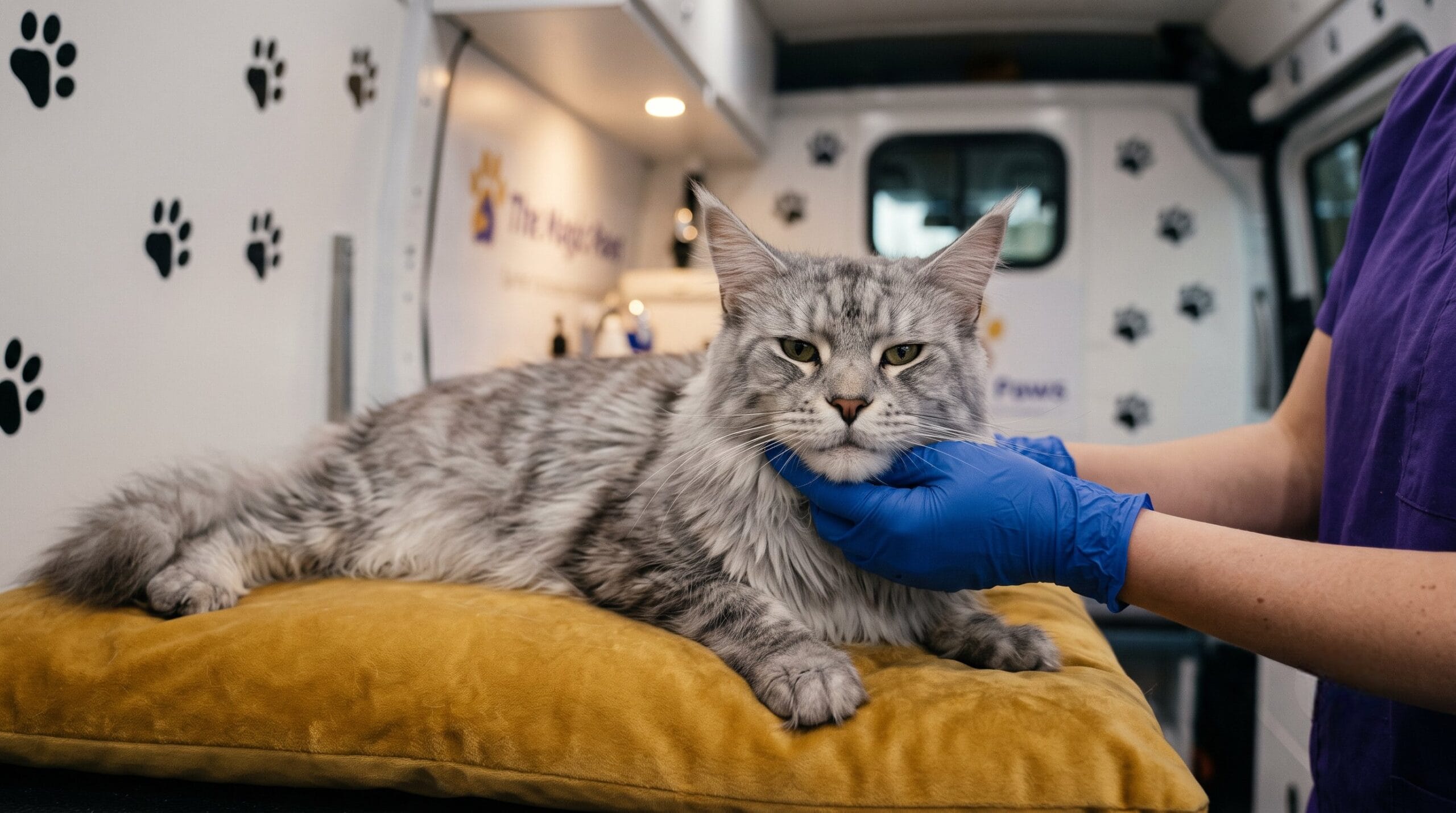
The Magic Paws addresses this through Senses Therapy, a structured calming protocol that runs throughout every session. The four components are aromatherapy, music therapy, chromotherapy, and massage, each targeting a different stress pathway.
Aromatherapy uses calming scents to reduce anxiety before any physical contact begins. Music therapy creates a predictable auditory environment that counters the unfamiliar sounds of equipment.
Chromotherapy applies color wavelengths associated with reduced physiological arousal. Massage at specific relaxation points before and during the procedure reduces muscular tension and encourages the animal to remain still without restraint.
For a senior dog with arthritic joints, cardiovascular sensitivity, or age-related anxiety, each of these components plays a more concrete role than in a younger animal. The session duration, which owners can review in the article on how long does a dog dental cleaning take.
Is calibrated to the animal’s comfort tolerance, with no fixed time pressure that would require forcing the dog to remain still longer than it tolerates.
When does a senior dog actually need anesthesia?
A senior dog needs veterinary anesthesia when the required procedure cannot be completed safely or effectively without full sedation. The conditions that cross this threshold are specific: tooth extraction, periodontal surgery, intraoral radiography, and the treatment of deep periodontal pockets that cannot be reached or debrided without the animal being fully immobilized and intubated.
The risks of putting an old dog under anesthesia for these necessary procedures are real, but they are weighed against the risks of leaving advanced disease untreated. Dog anesthesia side effects in senior animals, including prolonged recovery, hypothermia, hypotension, and, in rare cases, organ stress, are managed through the pre-anesthetic protocol, not eliminated. The goal of that protocol is to identify the animal’s specific risk factors and adjust accordingly, not to produce a risk-free guarantee.
The Magic Paws does not perform these procedures. When an eligibility screening reveals that a dog has conditions requiring surgical or radiographic intervention, the animal is referred to a veterinarian before any preventive service is provided. This referral is part of the protocol, not an exception to it.
How do you prepare a senior dog for anesthesia if needed?
Preparing a senior dog for anesthesia starts with pre-anesthetic blood work for dogs, typically conducted 24 to 48 hours before the procedure. This panel evaluates kidney and liver function, red and white blood cell counts, blood glucose, and protein levels, giving the veterinary team a current picture of the animal’s metabolic capacity.
The full pre-anesthetic preparation protocol for a senior dog generally includes the following steps:
1. Complete blood panel
Kidney values, liver enzymes, glucose, and protein levels. Identifies organ compromise before sedation.
2. Cardiac evaluation
Electrocardiogram or cardiac auscultation, particularly for dogs with known or suspected heart conditions.
3. Pre-anesthetic fasting
Typically 8 to 12 hours without food to reduce the risk of aspiration during intubation.
4. Physical examination
Body weight, temperature, and respiratory rate are assessed to confirm the animal is stable enough to proceed.
5. Adjusted drug protocol
The anesthetic agent and dosage are selected based on the dog’s specific risk classification, not a standard protocol applied across all ages.
The question of how old is too old for dog anesthesia does not have a fixed numerical answer. A 14-year-old dog with clean bloodwork and no cardiac abnormality may be a better anesthetic candidate than a 9-year-old with early kidney disease and obesity. Age sets the context. The clinical profile determines the decision.
Owners preparing for a scheduled procedure can also connect with the team through the dog dental cleaning service page for guidance on what to expect before and after the appointment.
What is the safest first step for your senior dog’s dental health?
The safest first step is a professional evaluation of where the animal currently stands before committing to any specific intervention. Dental cleaning for senior dogs looks different depending on the stage of disease, the animal’s health profile, and whether preventive or curative care is the appropriate category. Anesthesia-free dental cleaning is often the right starting point for dogs in the maintenance window. Veterinary anesthesia is the right path when the disease has passed that threshold.
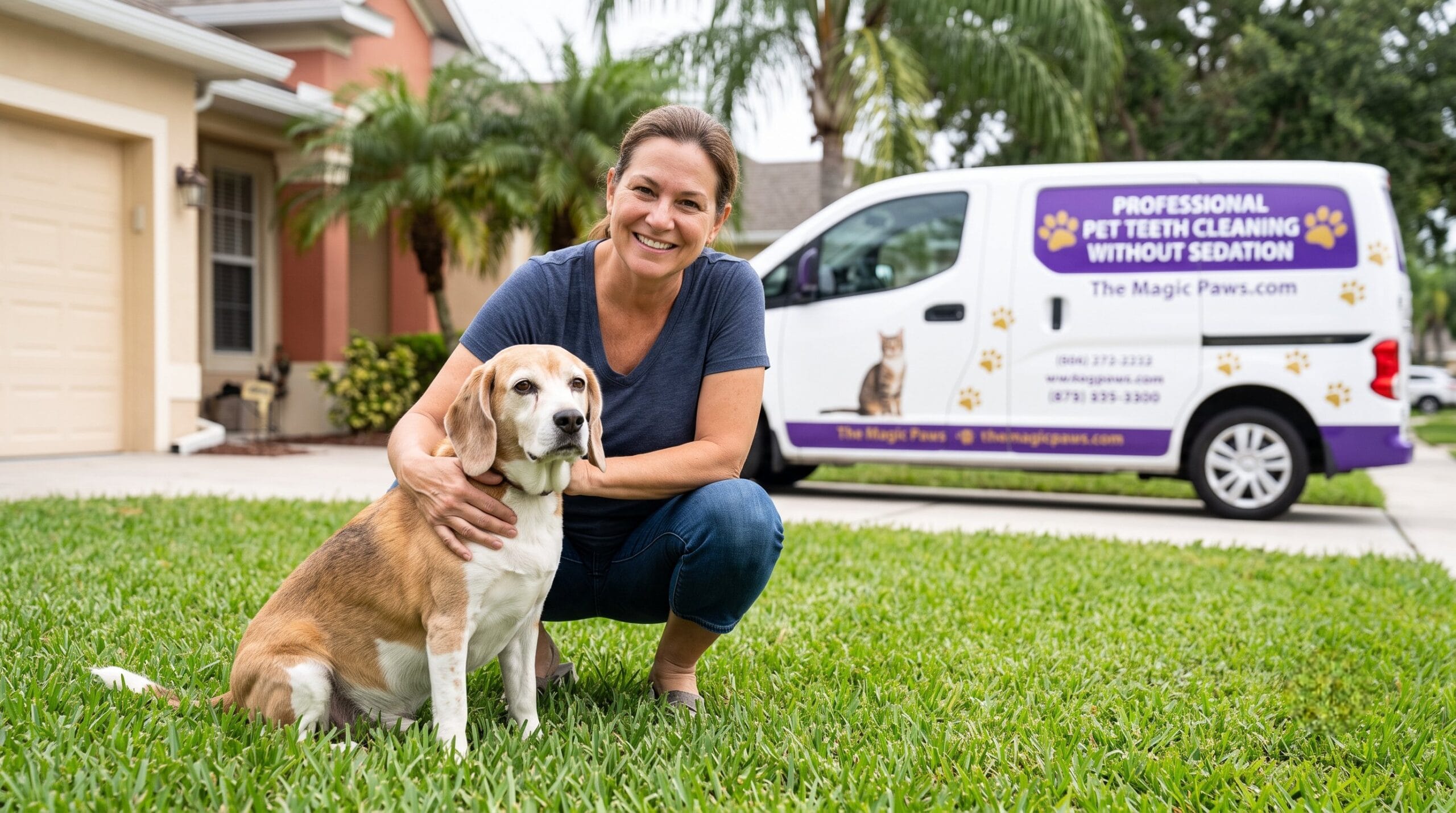
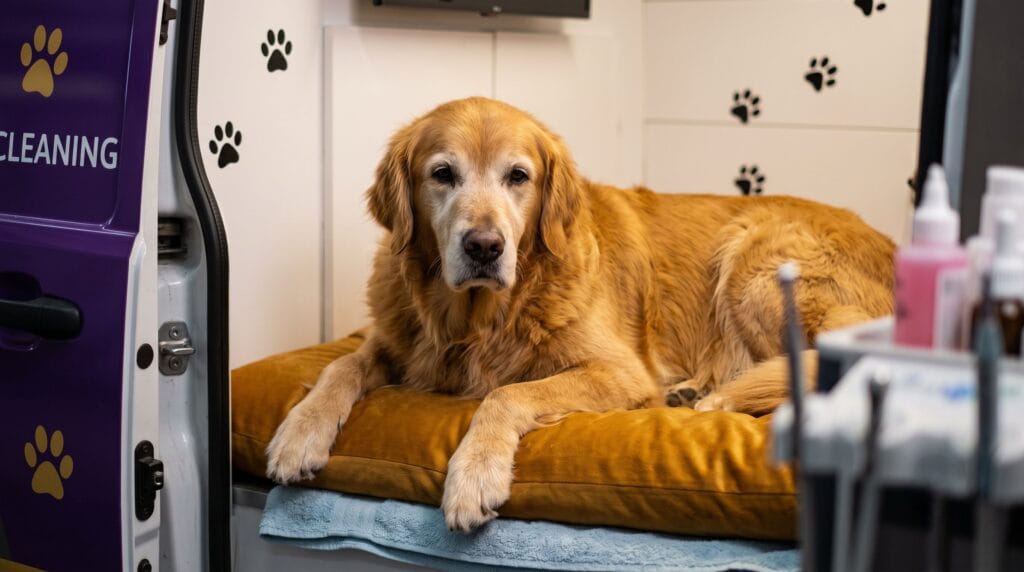
The Magic Paws serves senior dogs across Florida through a mobile format that brings the procedure directly to the owner’s location.
Anesthesia-free pet dental care in Florida is available in Central Florida, Jacksonville, Tampa, the East Coast, and Miami, with eligibility assessed before every session. The mobile dog dentist model is particularly suited to older animals because it eliminates the travel stress, waiting room anxiety, and unfamiliar environments that compound physiological strain in aging pets.
With more than 10,000 animals served and a five-star rating on Google, The Magic Paws has developed its senior-specific protocol through real clinical volume, not through theoretical guidelines alone. The first session includes the eligibility screening that determines whether the animal qualifies and, if it does not, what the appropriate referral pathway looks like.
Don’t wait for pain to act. Schedule your senior dog’s anesthesia-free cleaning today and skip the anesthesia entirely.
Frequently asked questions about anesthesia for old dogs
Is anesthesia safe for a 10-year-old dog?
It depends on the animal’s health status, not on age alone. A 10-year-old dog with normal kidney function, no cardiac abnormalities, and no significant disease history carries a lower anesthetic risk than a 7-year-old with chronic kidney disease and obesity. The pre-anesthetic blood panel and physical examination are the tools that quantify this risk before any procedure. Without that data, “safe” has no clinical meaning in this context.
What age is considered too old for dog anesthesia?
There is no absolute age cutoff in veterinary medicine. Risk is assessed through the animal’s clinical profile: organ function values, cardiovascular status, body condition score, and disease history. The senior classification, 7 and older for large breeds and 10 and older for small breeds, signals the need for a more thorough pre-anesthetic workup, not an automatic disqualification from the procedure.
Can anesthesia shorten a dog’s life?
The risk of anesthesia shortening a dog’s life exists and is documented, particularly in animals with undetected pre-existing conditions. A thorough pre-anesthetic screening is the primary tool for reducing that risk. In animals who are evaluated, cleared, and anesthetized with an appropriate protocol, the procedure does not carry a meaningfully elevated mortality risk compared to the general population. The greater documented risk, over time, is leaving serious dental disease untreated.
What are the signs that my senior dog needs dental care?
The most common visible signs include persistent bad breath that does not resolve with water consumption, red or swollen gums, visible brown or yellow tartar on the tooth surfaces, and difficulty picking up food or chewing on one side. Dropping food while eating. Reduced interest in chewing toys or treats. In some older animals, the only observable sign is reluctance to be touched around the face or muzzle. None of these signs require the disease to be at an advanced stage: they can appear as early as the gingivitis phase.
Is anesthesia-free dental cleaning safe for senior dogs?
Yes, for senior dogs who qualify through the eligibility assessment. The procedure is performed without sedation, intubation, or anesthetic agents, which removes the systemic load that makes anesthesia riskier in older animals. The screening protocol before each session determines whether the pet is in the preventive maintenance category or whether active disease requires referral to a veterinarian for treatment under anesthesia.
How do vets assess anesthesia risk in older dogs?
The standard assessment protocol includes the following:
1. Physical examination: body temperature, weight, respiratory rate, and cardiovascular auscultation
2. Complete blood panel: kidney and liver values, blood glucose, red and white blood cell counts
3. Cardiac evaluation: electrocardiogram for dogs with known or suspected heart conditions
4. Review of disease history and current medications
5. Risk classification: the dog is assigned a risk category that determines which anesthetic agents and monitoring protocols will be used
This process typically occurs 24 to 48 hours before the scheduled procedure and can result in a postponement or protocol adjustment if new findings emerge.
What happens if my senior dog needs a tooth extraction?
Tooth extraction requires veterinary anesthesia. It is a surgical procedure that cannot be performed safely on a conscious animal. When a pre-procedure screening by The Magic Paws identifies signs that suggest extraction may be needed, the animal is referred to a veterinarian before any preventive service proceeds. The referral includes a clear description of what was observed, allowing the veterinary team to determine the scope of intervention required.
How often should a senior dog have a dental cleaning?
Senior dogs with a history of significant tartar buildup generally benefit from professional preventive cleaning every six months. This frequency maintains the oral environment at a stage where anesthesia-free care remains appropriate and prevents the accumulated disease that eventually crosses into surgical territory. Dogs with slower plaque accumulation or excellent home care may do well on an annual schedule, but the preventive frequency for most seniors trends toward twice yearly.
Does anesthesia-free cleaning replace veterinary dental care?
No. Anesthesia-free dental cleaning is a preventive maintenance service that keeps oral health from declining to the point where veterinary intervention is required. It does not replace radiographic assessment, surgical treatment, extraction, or the management of advanced periodontal disease. These remain within the scope of veterinary dentistry and require anesthesia. The two categories of care are complementary, not competitive.
How do I book an anesthesia-free dental cleaning for my senior dog in Florida?
The first step is checking eligibility for your area on The Magic Paws pricing page. Service areas include Central Florida, Jacksonville, Tampa, the East Coast, and Miami. The booking process includes a pre-session screening to confirm the animal is a candidate for the preventive protocol. If your dog has any pre-existing conditions, having those records available before the first session helps the technician make the most accurate eligibility determination.