
Tooth loss in senior dogs is one of the most misunderstood changes that owners notice as their dog ages. Many assume it is simply part of getting older, similar to gray fur or slower walks around the block. That assumption often keeps owners from looking for a cause that could have been addressed years earlier.
The truth is less about age and more about accumulation. Bacteria, plaque, and tartar build up gradually, and if nothing interrupts that process, the tissue holding each tooth in place starts to break down. A ten year old dog with healthy gums throughout life rarely loses teeth from age alone.
This article explains what actually happens inside an aging dog’s mouth, why the signs are easy to miss, and what separates a preventable case from one that has already progressed too far. It also looks at where anesthesia genuinely matters and where a gentler, sedation-free approach can support prevention instead.
None of this replaces a veterinarian’s judgment. Every dog’s case is different, and any concern about a loose tooth, visible pain, or advanced disease should go through a professional evaluation first. The goal here is to help you recognize what is normal, what is not, and what you can still do about it.
Why do senior dogs lose their teeth?
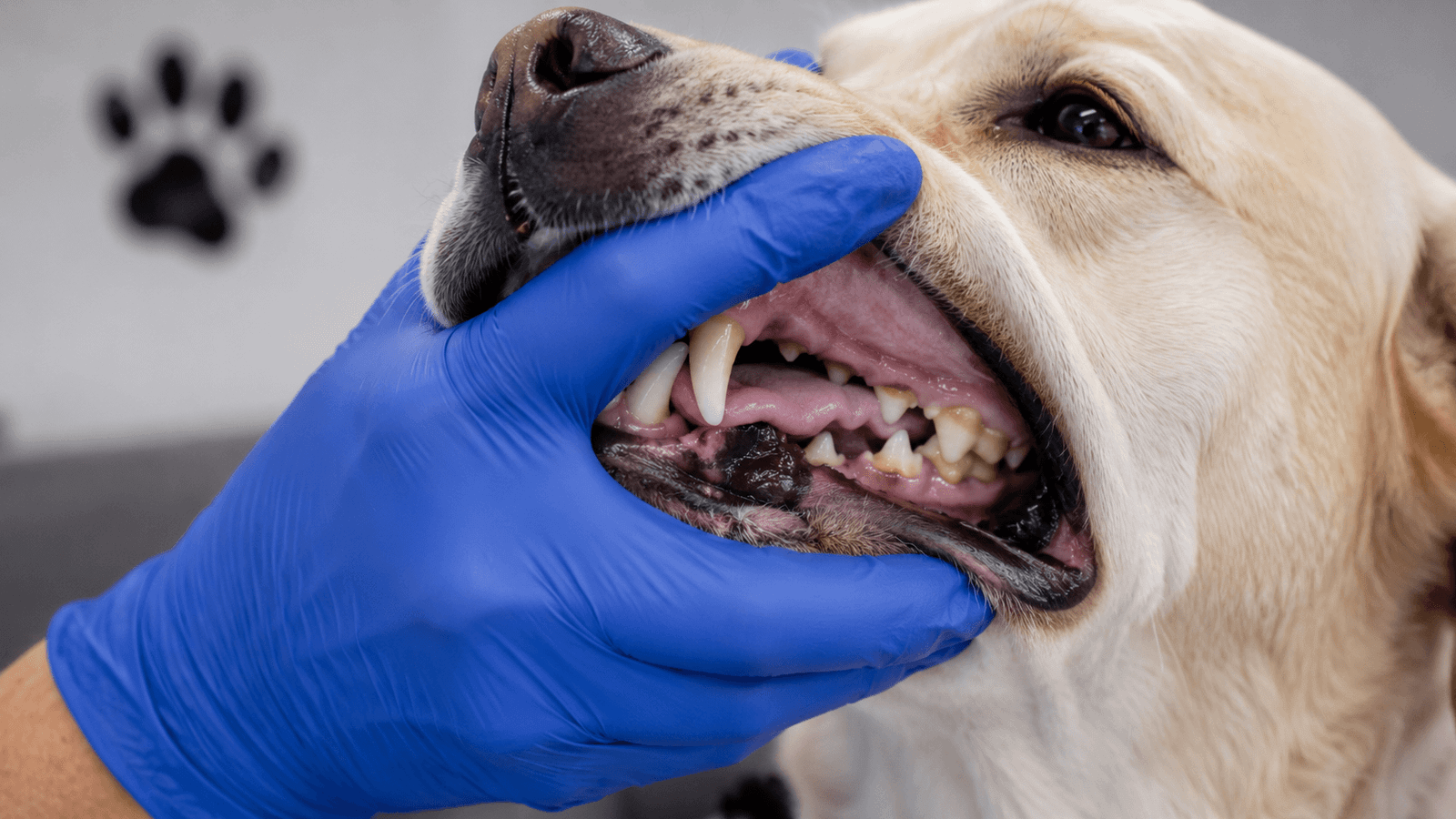
Senior dogs lose teeth mainly because of untreated periodontal disease, not because of age itself. The disease starts when plaque hardens into tartar and spreads below the gumline, where bacteria slowly destroy the ligament and bone that hold each tooth in place. Age simply gives that process more years to progress unchecked.
Left alone, this cycle rarely reverses on its own. Owners who understand what causes the damage are better positioned to seek professional dog dental cleaning before the supporting structures weaken beyond repair, which is often what separates a dog that keeps a full set of teeth from one that does not.
According to the Cornell University College of Veterinary Medicine, periodontal disease affects a large majority of dogs by the time they reach three years of age, and its progression only accelerates without intervention. The same bacteria linked to gum breakdown have also been associated with strain on the kidneys, liver, and heart.
Recognizing dog dental disease early changes the outlook considerably. A senior dog with mild gum recession and no bone loss has a very different prognosis than one with years of untreated inflammation, even though both may look similar during a casual glance at the mouth.
What are the early signs of dental problems in senior dogs?
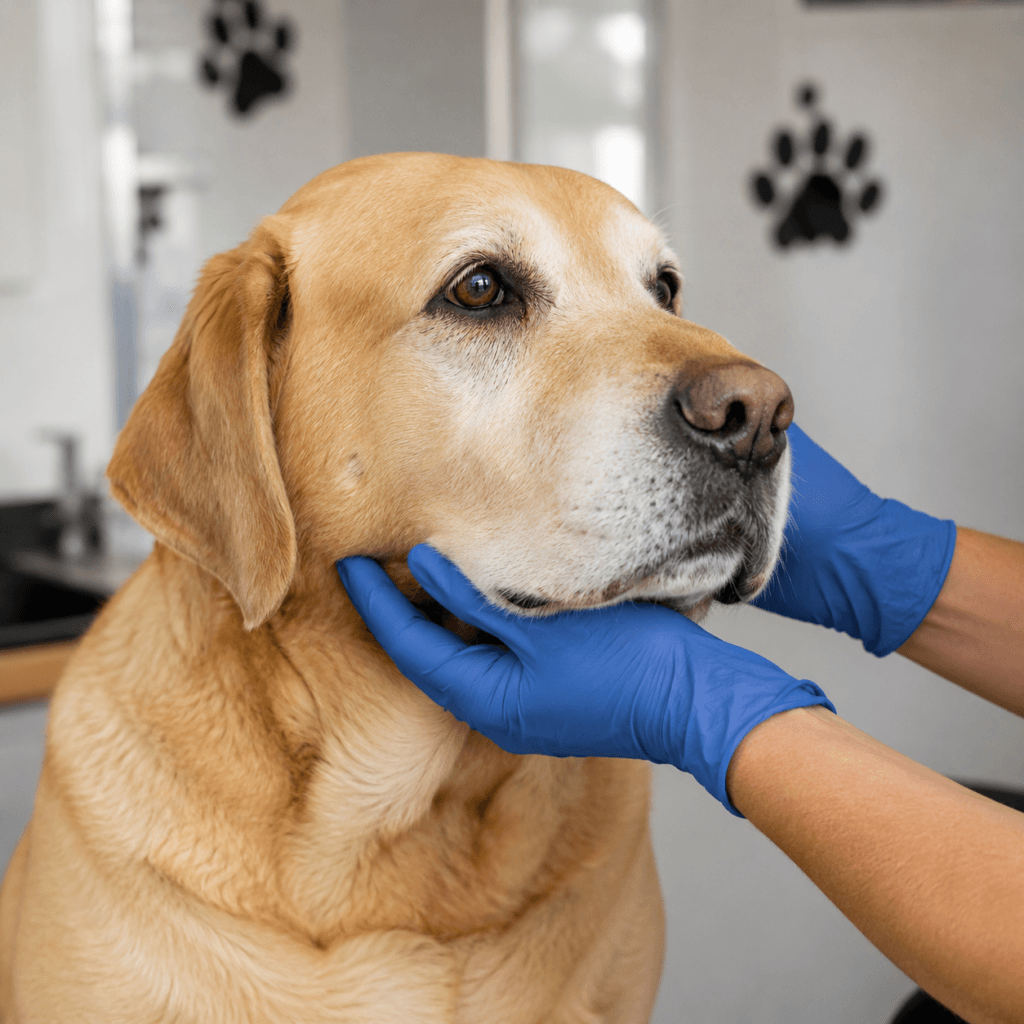
The earliest signs of dental problems in senior dogs are subtle and easy to dismiss as normal aging. Bad breath, mild difficulty chewing, and slightly reddened gums often appear long before a tooth becomes loose, which is exactly why regular checks matter so much for older dogs.
Watch for these changes, since each one can point to disease that is still treatable:
- Persistent bad breath that does not improve with brushing
- Chewing on one side of the mouth, dropping food, or favoring softer meals
- Gums that look swollen, dark red, or bleed slightly when touched
A dog showing any of these patterns should be evaluated soon rather than watched indefinitely. Dog bad breath is often the first clue owners notice, even though the bacterial buildup usually started months earlier. Similar early signs your pet might have dental problems overlap across cats and dogs, since the disease process is nearly identical.
Does tooth loss in dogs cause pain?
Tooth loss in dogs is almost always painful before it happens, even when the dog shows no obvious signs. Dogs instinctively hide discomfort as a survival trait inherited from wild ancestors, which means a senior dog can be in real pain while still eating, playing, and behaving normally.
A loose tooth sits in inflamed, infected tissue for weeks or months before it falls out or needs extraction, and that period typically involves chronic discomfort the dog simply does not display outwardly.
Owners sometimes interpret a dog’s continued appetite as proof that nothing is wrong. In reality, most dogs quietly favor one side of the mouth or swallow food with less chewing, long before anyone notices a problem.
Is anesthesia always necessary to prevent tooth loss?
Anesthesia is not always necessary to prevent tooth loss, though it remains essential for extractions, deep periodontal treatment, and advanced disease that requires surgical care. Prevention, on the other hand, can often happen through consistent, lower-intervention cleaning that keeps plaque from reaching that advanced stage in the first place.
Most veterinary clinic content online treats anesthesia as the only real path forward, without exploring what ongoing prevention looks like between those procedures. That gap matters for senior dogs specifically, since repeated general anesthesia carries added risk for older animals with underlying health conditions.
A useful way to frame this is the difference between curative and preventive care. Curative treatment, including extractions and surgery for advanced periodontal disease, still requires anesthesia and a licensed veterinarian. Preventive maintenance, aimed at dogs without severe disease, does not carry the same requirement.
Owners researching this distinction often ask about safety more broadly, including questions around how many dogs die from teeth cleaning, which is a fair concern given how often anesthesia gets presented as the default option regardless of a dog’s actual risk profile.
How does anesthesia-free cleaning help protect a senior dog’s teeth?
Anesthesia-free cleaning helps protect a senior dog’s teeth by making preventive maintenance more frequent and accessible, without the added risk that repeated sedation carries for older animals. It works best for dogs without advanced disease, loose teeth, or the need for extraction, since those cases still require a veterinarian.
The Magic Paws applies this through its Senses Therapy protocol, which combines aromatherapy, music therapy, chromotherapy, and massage, in that exact sequence, to keep the dog calm throughout the visit. Illana Reisner, the company’s founder, brings a formal human dental background into how the method was structured, which shapes the attention given to technique and safety.
This approach is never presented as a replacement for veterinary treatment. A trained technician evaluates each dog before starting, and any sign of advanced disease, pain, or a condition requiring surgery leads to a referral rather than continued cleaning. Learn more about how no anesthesia dog teeth cleaning fits alongside, rather than instead of, standard veterinary care.
Why low-stress care matters more for senior dogs
Low-stress care matters more for senior dogs because anxiety and physical stress compound faster in older bodies, particularly in dogs with joint pain, reduced stamina, or existing health conditions. A calmer procedure lowers the physiological toll that repeated visits can otherwise place on an aging dog.
Procedure-related anxiety is rarely discussed as a barrier to prevention, yet it often explains why some owners delay checkups altogether. A dog that dreads the vehicle ride or the exam table may simply visit less often, which works directly against the frequency that prevention depends on.
Read more about how the Senses Therapy method was designed specifically around that concern, using calming sensory input rather than restraint to keep a senior dog settled during each session.
See how a stress-free cleaning works for senior dogs, and check current pricing and availability.
How often should a senior dog have a dental checkup?
A senior dog should generally have a dental checkup every six months, though frequency depends on the individual dog’s disease history and risk level. More frequent, lower-stress visits reduce the odds of tartar reaching the advanced stage where extraction becomes the only option.
A mobile, sedation-free model supports this frequency in a way traditional anesthesia-based cleaning rarely can, since it removes some of the logistical and financial friction that keeps owners from scheduling checkups as often as an aging dog actually needs.
Consistency between professional visits matters just as much as the visits themselves. Reviewing regular dental check ups for your pet alongside a realistic routine of dog dental care at home gives most senior dogs a far better long-term outcome than either approach used alone.
What should you do if your senior dog is losing teeth?
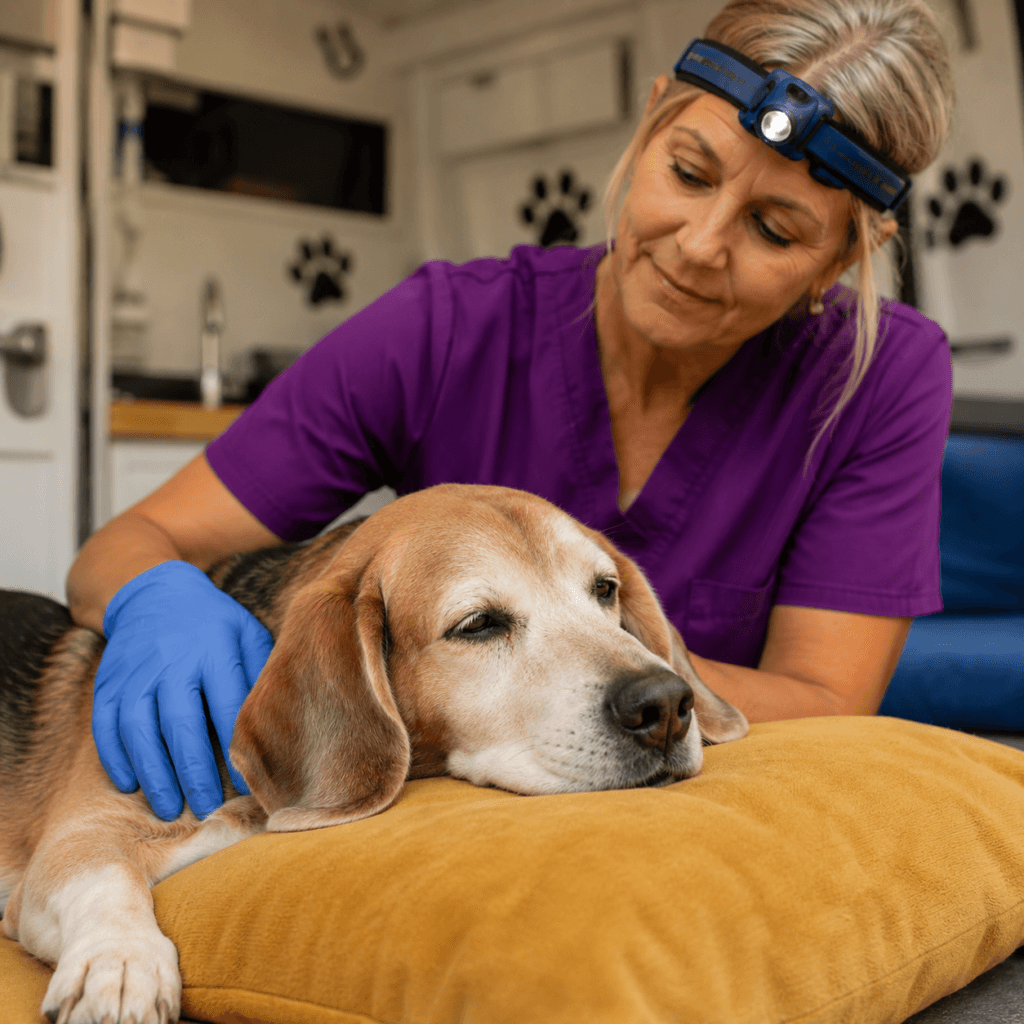
If your senior dog is losing teeth, schedule a veterinary evaluation as soon as possible, especially if you notice pain, bleeding, or a visibly loose tooth. A licensed veterinarian can determine whether extraction, imaging, or another form of treatment is needed before anything else moves forward.
Once the veterinarian has addressed any active disease, ongoing preventive care becomes the priority. Understanding how long does a dog dental cleaning take and reviewing dog teeth cleaning cost can help you plan a realistic, sustainable routine rather than reacting only when a problem appears.
A dog that has already lost several teeth can still live comfortably for years with the right adjustments and consistent follow-up. The lesson from that experience is rarely about the past, but about building a rhythm of care that protects whatever teeth remain.
Book a gentle dental checkup for your senior dog in Florida today. Book a gentle dental checkup for your senior dog.
Frequently asked questions about tooth loss in senior dogs
Can a senior dog live a normal life after tooth loss?
Yes, most senior dogs adapt well after losing teeth, especially with minor diet adjustments and continued veterinary follow-up. Comfort and nutrition matter more than the number of teeth remaining, and most dogs return to normal eating habits within a short adjustment period.
What breeds are more prone to dental problems in old age?
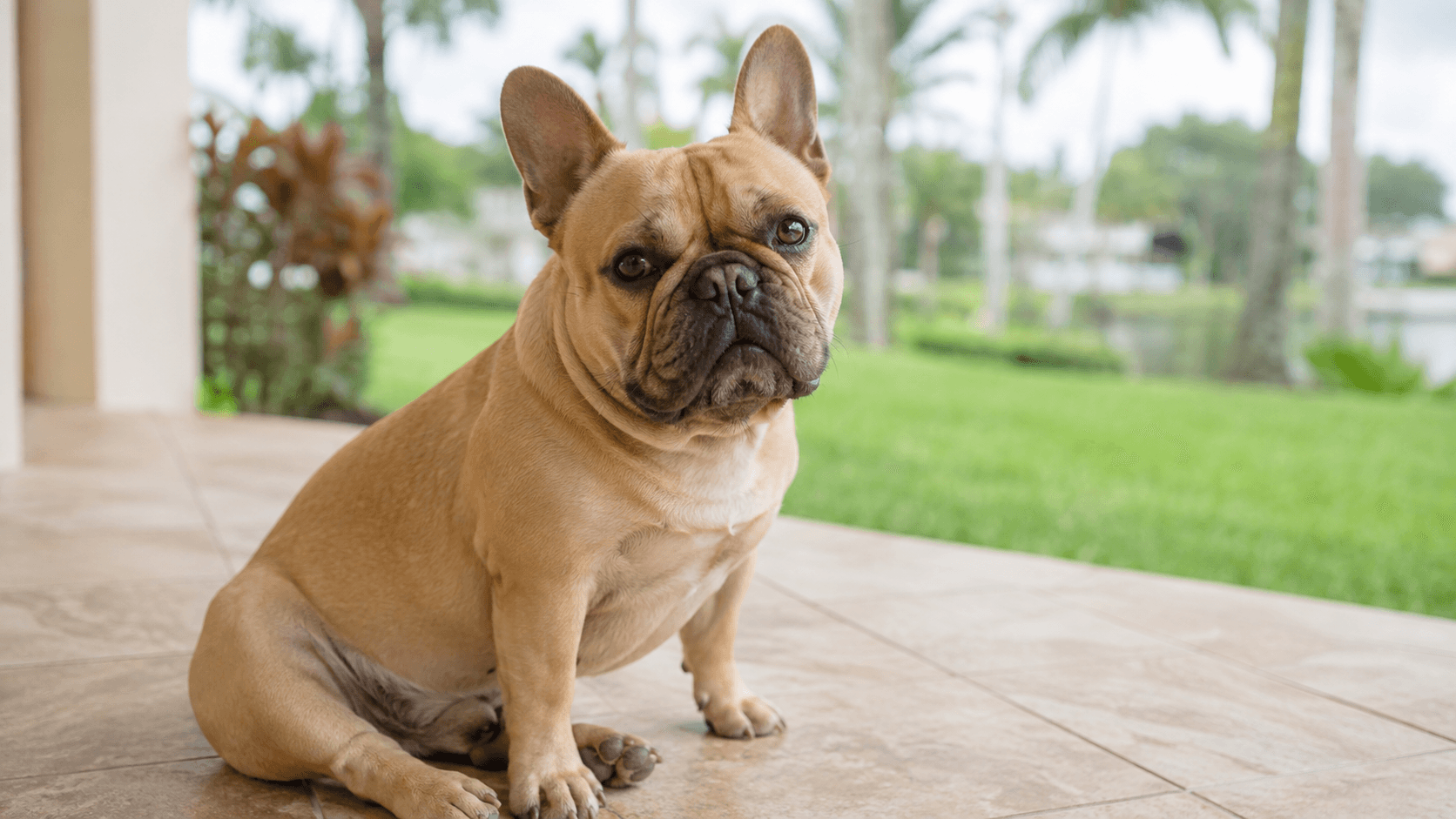
Small breeds and brachycephalic breeds tend to face higher risk because of crowded jaw structure and tooth spacing. These traits make plaque harder to clear naturally, which is why owners of these breeds often need to start preventive routines earlier in life.
Does a senior dog’s diet affect the risk of tooth loss?
Food texture plays a role in how much mechanical cleaning happens during chewing, though diet alone cannot replace professional care. Any specific nutritional changes for dental health should come from a veterinarian familiar with the dog’s full health history.
How much does anesthesia-free dental cleaning cost for a senior dog?
Pricing depends on the dog’s size and location, so the most accurate figures come directly from the current pricing page rather than a general estimate here.
Is anesthesia-free cleaning safe for senior dogs with health conditions?
Safety depends on an eligibility assessment performed before the visit. Dogs with more delicate health conditions should always be evaluated by a veterinarian first, since sedation-free cleaning is only appropriate for dogs without advanced disease.
What happens during a mobile pet dental visit?
A trained technician arrives in a calm, quiet vehicle and performs a brief assessment before starting. The environment is designed to keep the dog settled, and the appointment is paused immediately if anything requires veterinary attention.
Can senior dogs recover well after losing several teeth?
Most dogs adjust remarkably well, though losing multiple teeth usually signals that prevention should have started earlier. It remains a useful reminder to prioritize ongoing care for any remaining teeth.
Do senior dogs need dental x-rays before a cleaning?
Imaging is typically reserved for a veterinary evaluation, not a sedation-free preventive cleaning. X-rays help detect issues below the gumline that cannot be assessed visually, which is why they belong to the diagnostic side of care.
Where can I schedule dental cleaning for a senior dog in Florida?
The Magic Paws offers mobile, sedation-free dental cleaning throughout Florida. You can check availability and pricing directly on the booking page.
Can brushing alone prevent tooth loss in senior dogs?
Brushing helps slow plaque buildup but does not replace professional cleaning once tartar has hardened. A combination of home care and periodic professional attention offers far better protection than either habit alone.