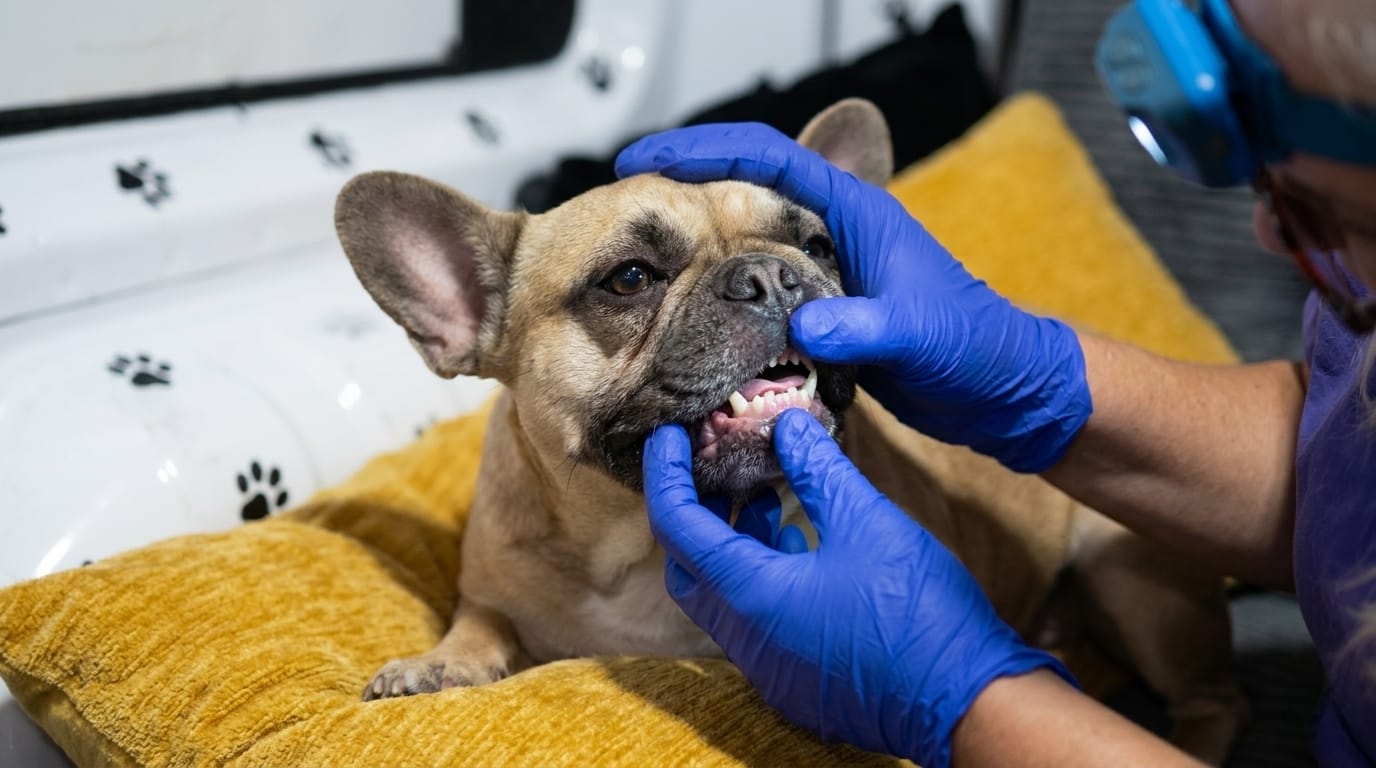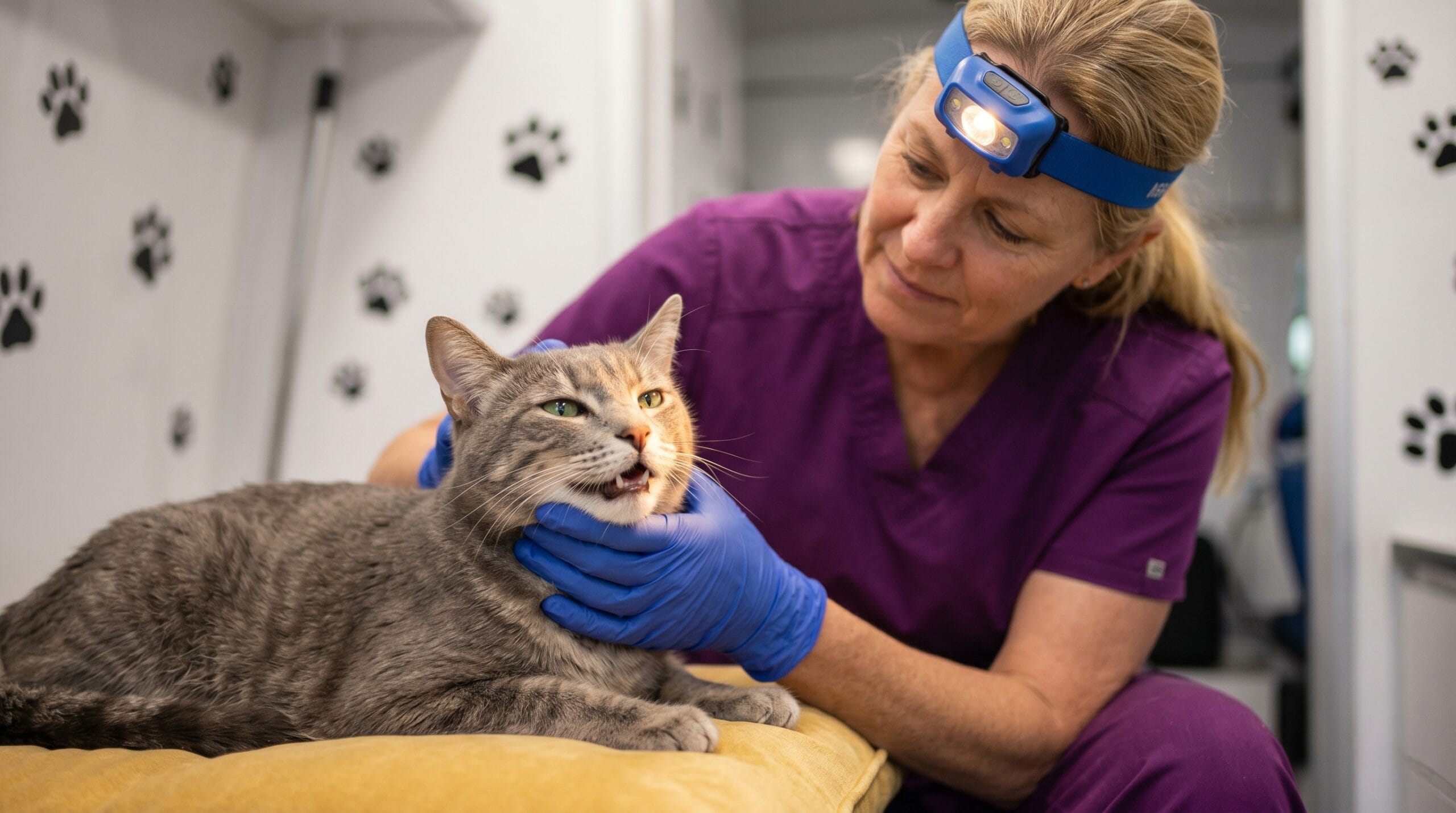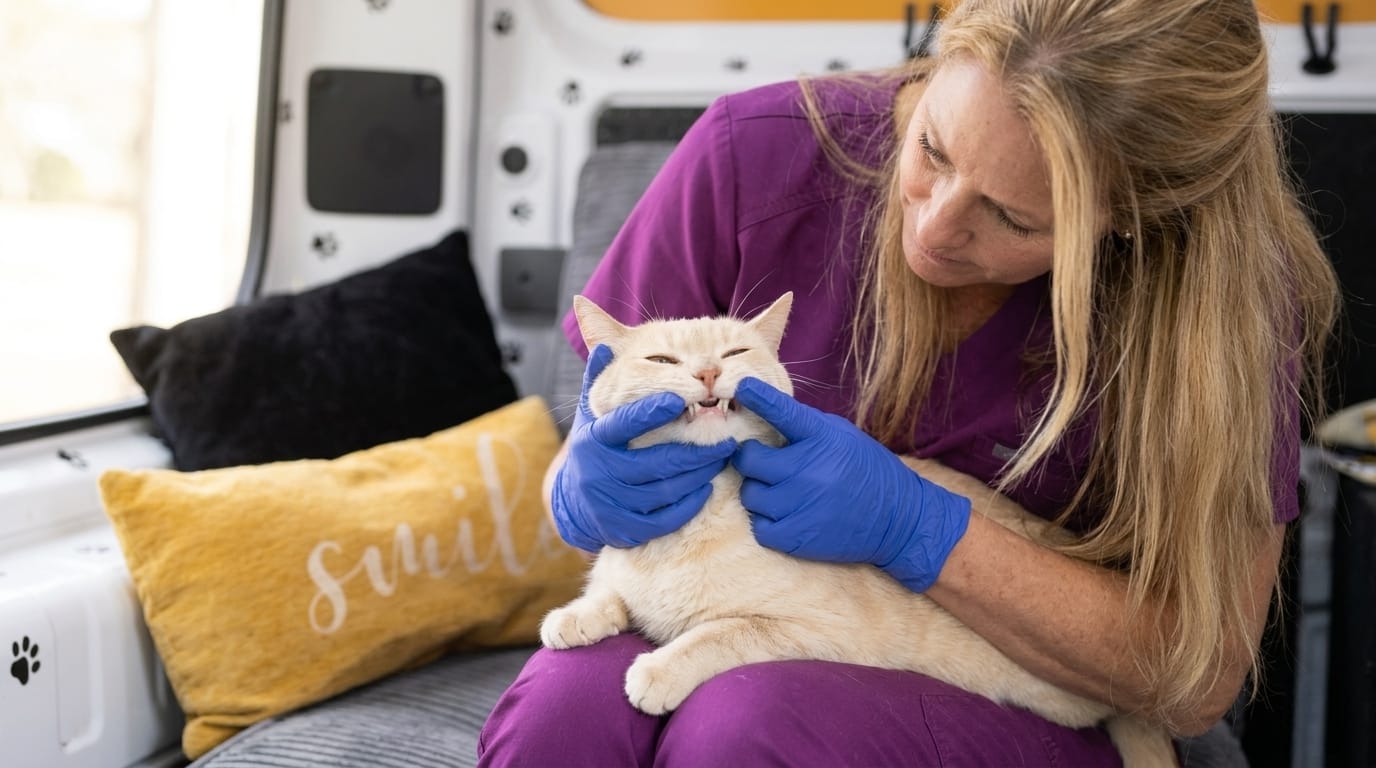

Cat bad breath is one of the most common concerns cat owners bring up, and one of the most consistently misunderstood. Many people assume the smell is just part of having a cat. It is usually not.
Persistent feline halitosis is rarely just an unpleasant quirk. Behind the odor, there is almost always a biological cause: bacteria feeding on food debris, plaque hardening into tartar, or, in some cases, a signal that an internal organ is stressed. The mouth is often the first place a health problem becomes noticeable.
This is especially true because cats are excellent at masking discomfort. A feline with painful gums or an infected tooth will regularly continue eating and behaving normally, leaving the bad breath as the only visible clue that something is wrong. By the time other symptoms appear, the difficulty has typically been building for months.
The good news is that when the cause is dental, the solution is straightforward. Understanding what the smell is telling you is the first step toward getting your cat’s mouth back to a healthy state.
Why does my cat have bad breath?
Cat bad breath is most often caused by the accumulation of plaque on the teeth. Plaque is a soft, sticky film made up of bacteria that forms naturally in the mouth after meals. When it is not removed, it mineralizes into tartar, and the bacteria living in that buildup produce volatile sulfur compounds: the source of the odor most owners recognize.
Periodontal disease, the umbrella term for conditions affecting the gums and supporting tooth structures, is the single most frequent cause of foul-smelling breath in adult cats.
It affects the majority of animals over the age of three, according to veterinary estimates, and progresses silently for a long time before becoming obvious.
Dental disease is the most common culprit
Plaque begins forming within hours of a meal. In a cat that does not receive regular dental care, the film sits on the tooth surface and at the base of the gumline, where bacteria thrive in a low-oxygen environment.
Over days and weeks, minerals in the saliva bind to the plaque and harden it into tartar, a calcified deposit that cannot be removed by brushing or chewing alone.
Tartar pushes against the gum tissue, causing inflammation known as cat gingivitis. If left untreated, the infection spreads below the gumline and destroys the tissue and bone that hold the tooth in place.
By the time periodontal disease reaches its more advanced stages, the pet’s breath is often noticeably foul. The smell comes directly from the bacterial activity in the infected tissue.
The infection can also lead to feline oral resorptive lesions, painful erosions at the base of the tooth that are one of the more severe complications of untreated cat dental disease.
When bad breath signals something beyond the mouth
Not every case of feline halitosis originates in the teeth or gums. In some cats, the smell is a symptom of a systemic condition, meaning the mouth is healthy, but something elsewhere in the body is affecting breath quality.
Kidney disease, diabetes, and liver disease are the most common systemic causes. Each of these conditions produces a characteristic odor that differs from the typical rotten smell of dental infection. Learning to recognize the difference helps you decide whether a vet visit is urgent.
What does the smell of your cat’s breath tell you?
The type of odor your cat’s breath produces carries diagnostic information. A foul, rotten smell points toward the mouth. A chemical or metabolic quality in the odor suggests something systemic.
The table below maps the three most clinically significant odor types to their probable origin and the accompanying signs that help confirm the picture.
| Type of smell | Probable cause | Accompanying symptoms |
| Foul, rotten, or putrid | Periodontal disease or liver disease | Drooling, difficulty chewing, visible tartar, weight loss, yellow tinge to eyes or skin (liver) |
| Ammonia or urine-like | Kidney disease | Excessive thirst, frequent urination, lethargy, loss of appetite, weight loss |
| Sweet or fruity | Diabetes (ketone production) | Excessive thirst, frequent urination, weight loss, increased appetite initially, lethargy |
An ammonia odor is particularly significant. When the kidneys are not filtering waste efficiently, urea accumulates in the bloodstream, and the body expels it through the breath.
The result is a sharp, chemical smell that is distinct from the organic decay odor of dental infection. Persistent cat breath that smells like ammonia warrants a prompt veterinary appointment, not just a dental cleaning.
Is cat bad breath ever considered normal?
Cat bad breath is not normal as a persistent condition, but the occasional mild odor after eating is not a sign of disease. A cat that just ate a fish-based meal, for example, may have strong breath for an hour or two. That fades. What does not fade, and should not be ignored, is a smell that lingers consistently from one day to the next.
The practical rule: if you notice the odor every time you are close to your cat, over multiple consecutive days, it is not the food. It is the mouth, or something systemic, and it is worth investigating.
Some situations warrant a vet visit sooner rather than later:
- The smell has been present for more than a week without any obvious dietary explanation
- The breath carries a chemical quality: ammonia, sweet, or fruity
- The cat is eating less, dropping food while chewing, or pawing at its mouth
- You notice red, swollen, or bleeding gums
- The animal has lost weight or drinks more water than usual
A strong odor that comes on suddenly in a cat that previously had neutral breath is also a signal worth noting. A sudden change in breath quality is sometimes the first indicator of an acute health shift.
What can you do about cat bad breath at home?
At-home care for cat bad breath works best as prevention. If the underlying cause is early-stage plaque buildup without established disease, a consistent home routine can slow tartar formation and reduce the bacterial load in the mouth before it becomes a bigger problem. The key word is consistent: sporadic effort does not produce meaningful results.
If disease is already present, home care alone will not resolve it. Brushing cannot remove tartar, and no dental treat eliminates an established infection. Home routines complement professional care; they do not replace it.
For a full overview of what professional dental care for cats involves, the article on cat dental cleanings covers the procedure from start to finish.

Brushing your cat’s teeth: what actually works
A toothbrush and toothpaste designed specifically for cats are the most effective home tool for controlling plaque. Human toothpaste is not safe for animals: it often contains fluoride and xylitol, both toxic to cats. Use only products formulated for feline use, many of which come in flavors that make the experience more tolerable for the animal.
Ideally, brushing happens daily. Three to four times per week produces a meaningful difference compared to no brushing at all. The goal is to disrupt plaque before it mineralizes, which happens within 24 to 48 hours of formation.
Introducing the toothbrush gradually helps. Start by letting the animal sniff the toothpaste and lick it off your finger. After a few days, begin touching the gum area gently without the brush.
Progress to the brush only after the cat is comfortable with the contact. Forcing the process too quickly often produces resistance that is hard to undo. Everything about cat dental cleaning you need to know, including how to establish a home care routine, is covered in that guide.
Dental treats and other at-home options
For cats that will not tolerate a toothbrush, there are alternatives. Dental treats, water additives, and prescription dental diets can reduce plaque to varying degrees, though none matches the mechanical action of brushing.
When choosing products, look for the VOHC (Veterinary Oral Health Council) seal of acceptance. The seal does not guarantee the product treats disease, but it confirms a baseline of efficacy that unverified products lack.
Water additives work by introducing enzymatic or antibacterial agents into the drinking water. They require no cat cooperation and can be useful as a supplementary measure. The effect is modest compared to brushing, but consistent use contributes to a lower bacterial load in the mouth.
When is it time to see a professional?
Home care manages plaque. It cannot address established disease, remove calcified tartar below the gumline, or treat infections already in progress. When these are present, a professional cleaning is the appropriate next step, sometimes alongside veterinary treatment for the underlying condition.
Several signs indicate the situation has moved beyond what home routines can address:
- Visible brown or yellowish buildup at the base of the teeth
- Gums that bleed when the cat eats or when you gently press them
- Receding gumline: the tooth appears longer than it should
- Drooling or difficulty picking up food
- Pawing at the mouth or rubbing the face on surfaces
- A persistent bad smell that does not improve with home care after two weeks
Breed and age also factor into professional cleaning frequency.
Some cats, particularly those with smaller or more crowded mouths, accumulate plaque faster than others and benefit from more frequent professional attention. Senior cats also warrant closer monitoring, since years of suboptimal care can compound into significant disease by middle age.
For cat owners in Florida, both cat dental cleanings in Florida and cat dental cleaning in Orlando are available as mobile anesthesia-free services, removing the need for a clinic visit.
How does professional cat dental cleaning help with bad breath?
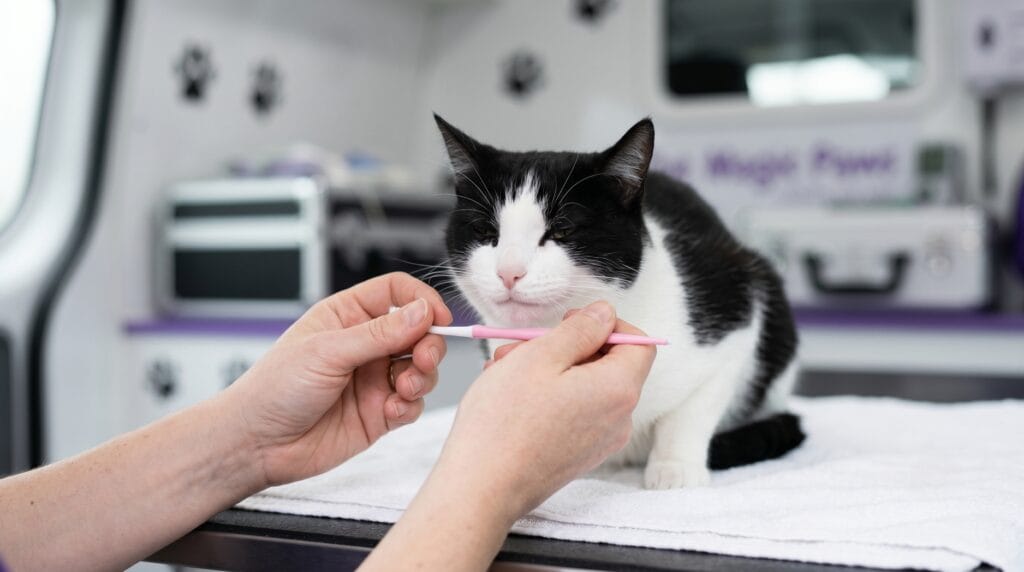
Professional cleaning removes the tartar and bacterial deposits that cause the majority of breath problems in cats. Unlike home care, which operates on the tooth surface, a professional session reaches the area at and slightly below the gumline, where the most harmful accumulation tends to sit. For bad breath of dental origin, the improvement is often noticeable within days of a cleaning session.
The conventional approach to professional dental cleaning for cats involves general anesthesia, which enables the veterinarian to work thoroughly and take radiographs.
For cats that are good candidates for a less invasive option, anesthesia-free dental cleaning offers a gentler alternative at a fraction of the cost of a traditional procedure under general anesthesia.
The Magic Paws provides anesthesia-free dental cleaning for cats across South Florida and Central Florida, performed inside a fully equipped mobile van by a licensed dentist.
The protocol used is Senses Therapy, which combines aromatherapy, music therapy, chromotherapy, and massage to keep the animal calm and comfortable throughout the session. No sedation, no clinic visits, and the service comes directly to the owner’s door.
Owners interested in anesthesia-free care for both cats and dogs can read more about how anesthesia-free dental cleaning for dogs and cats works, or review the safety guide on is anesthesia-free dental cleaning safe for dogs and cats for a thorough breakdown of what to expect.
For cats whose cleaning would benefit from a recurring schedule, the Dental Clean Club membership makes regular maintenance more affordable and easier to sustain. The professional mobile pet dental cleaning service from The Magic Paws has served hundreds of cat owners across the region with a five-star track record.
What should you do if your cat’s breath still smells after cleaning?
If bad breath persists after a professional dental cleaning, the cause is likely not in the teeth. Persistent feline halitosis after a thorough cleaning session points toward a systemic condition that requires veterinary investigation. Kidney disease, diabetes, and liver disease are the most common candidates, and each requires lab work to diagnose accurately.
A blood panel and urinalysis give the veterinarian a clear picture of organ function. These are standard tests that most practices can run with results available the same day. If the numbers indicate a problem, treatment begins there, not in the mouth.
It is also worth confirming that the cleaning reached the areas where disease was most concentrated. In cats with advanced periodontal involvement, a single session may not fully resolve years of buildup, particularly below the gumline.
A follow-up appointment, or in some cases a more extensive clinical procedure, may be part of the plan.
Dental cleaning and systemic disease management are not mutually exclusive. A cat with kidney disease still benefits from a clean mouth.
Reducing the bacterial load in the oral cavity lowers the overall inflammatory burden on the body, which supports general health alongside whatever treatment the vet recommends. Keeping both lines of care active gives the animal the best chance of a comfortable quality of life.
Book your cat’s teeth cleaning with a Magic Paws!
FAQ about cat bad breath
What causes bad breath in cats?
The most common cause is periodontal disease, driven by plaque and tartar buildup on the teeth. Other frequent causes include kidney disease, diabetes, and liver disease. Each produces a distinct type of odor. Dental causes account for the majority of cases in adult cats, particularly those over three years of age without regular oral care.
Why does my cat’s breath smell like ammonia?
An ammonia odor in cat breath is a characteristic sign of kidney disease. When the kidneys are not filtering waste efficiently, urea accumulates in the bloodstream and the body expels it through exhalation. If the smell is persistent and accompanied by symptoms such as excessive thirst, weight loss, or lethargy, a veterinary appointment for blood and urine testing is the appropriate next step.
Is it normal for cats to have bad breath?
Mild, temporary breath odor after eating is not a concern. Persistent bad breath that you notice consistently over multiple days is not normal and typically indicates an underlying problem, either in the mouth or in another organ. If the smell does not improve within a week, a vet visit helps identify the cause before it progresses.
Can cat bad breath be a sign of kidney disease?
Yes. Kidney disease is one of the established systemic causes of feline halitosis, particularly when the breath carries an ammonia or urine-like quality. Accompanying symptoms often include loss of appetite, weight loss, lethargy, and increased water intake. Lab tests confirm the diagnosis and guide treatment.
How can I get rid of my cat’s bad breath at home?
Brushing with cat-specific toothpaste is the most effective at-home measure. VOHC-approved dental treats and water additives offer supplementary support for animals that resist brushing. These habits control plaque before it hardens, but they do not treat established disease. If the bad breath persists despite home care, professional evaluation is the next step.
How often should cats get a professional dental cleaning?
General guidance is at least once a year, though some animals benefit from more frequent sessions depending on breed, diet, and how quickly they accumulate tartar. Anesthesia-free cleaning makes it easier to maintain a regular schedule because the process is less invasive and does not require recovery time or hospitalization.
What does it mean when a cat’s breath smells sweet?
A sweet or fruity odor is associated with feline diabetes. When the body cannot process glucose normally, it begins breaking down fat for energy, producing ketone bodies as a byproduct. These are expelled through the breath. Other signs of diabetes in cats include excessive thirst, frequent urination, and unexplained weight loss. A veterinary consultation is necessary for diagnosis.
Can anesthesia-free dental cleaning help with cat bad breath?
Yes, for bad breath caused by plaque and tartar buildup, anesthesia-free cleaning removes the deposits that drive the odor. The procedure is indicated for prevention and regular maintenance. For cats whose halitosis is linked to a systemic condition, dental cleaning reduces the bacterial burden and supports general health, but veterinary treatment for the underlying disease remains necessary in parallel.
How do I know if my cat’s bad breath is serious?
Warning signs that justify a prompt vet visit include: smell persisting for more than a week, an ammonia or sweet odor rather than a typical food smell, loss of appetite, difficulty chewing, visible changes in the gums, unexplained weight loss, or increased water consumption. Any combination of these, alongside persistent mouth odor, warrants professional evaluation without delay.
Does dry food help with cat bad breath?
Dry food does not clean teeth effectively, despite a common belief to the contrary. The brief chewing action removes minimal surface plaque but does not eliminate the buildup that forms at and below the gumline, where the most harmful bacteria live. Active home care, including brushing, and periodic professional cleaning are the methods with demonstrated results for managing cat oral health and the bad breath that comes with poor dental hygiene.