
We all love the convenience of a “toothbrush in a treat,” but relying solely on them creates a false sense of security. While they effectively scrub surface plaque, our Expert Tips on Dog Dental Chews reveal why even the toughest bone fails to reach the most dangerous bacteria hiding just below the gumline.
Index:
- How Dental Chews Support Oral Hygiene
- Expert Tips on Dog Dental Chews: Safety First
- The Limitation: Why Chews Are Not Enough
- The Magic Paws Solution: Completing the Care Routine
- Conclusion: Combining Chews and Professional Care for Results
Text:
Handing your pup a dental treat feels like a small victory in the daily battle for their health. It is the one hygiene habit that they actually beg for, making it easy to believe you are fully checking “dental care” off your to-do list. However, many proactive owners are baffled to learn that tartar can still thrive despite that daily ritual.
Our guide to Expert Tips on Dog Dental Chews goes beyond the packaging promises to reveal the reality of their effectiveness. We’ll explore the mechanics of how they work, identify the safety risks hidden in the hardness, and expose the one critical area where every chew fails.
Recognizing this gap is the key to moving from simple treat-giving to a truly effective, life-extending preventative strategy.
How Dental Chews Support Oral Hygiene
There is something so satisfying about watching your best friend happily gnaw on a treat, especially when you know it is good for them. We all want to believe that this daily ritual is doing the heavy lifting for their health, and the good news is that quality dental chews do play a helpful role in maintaining a bright smile.
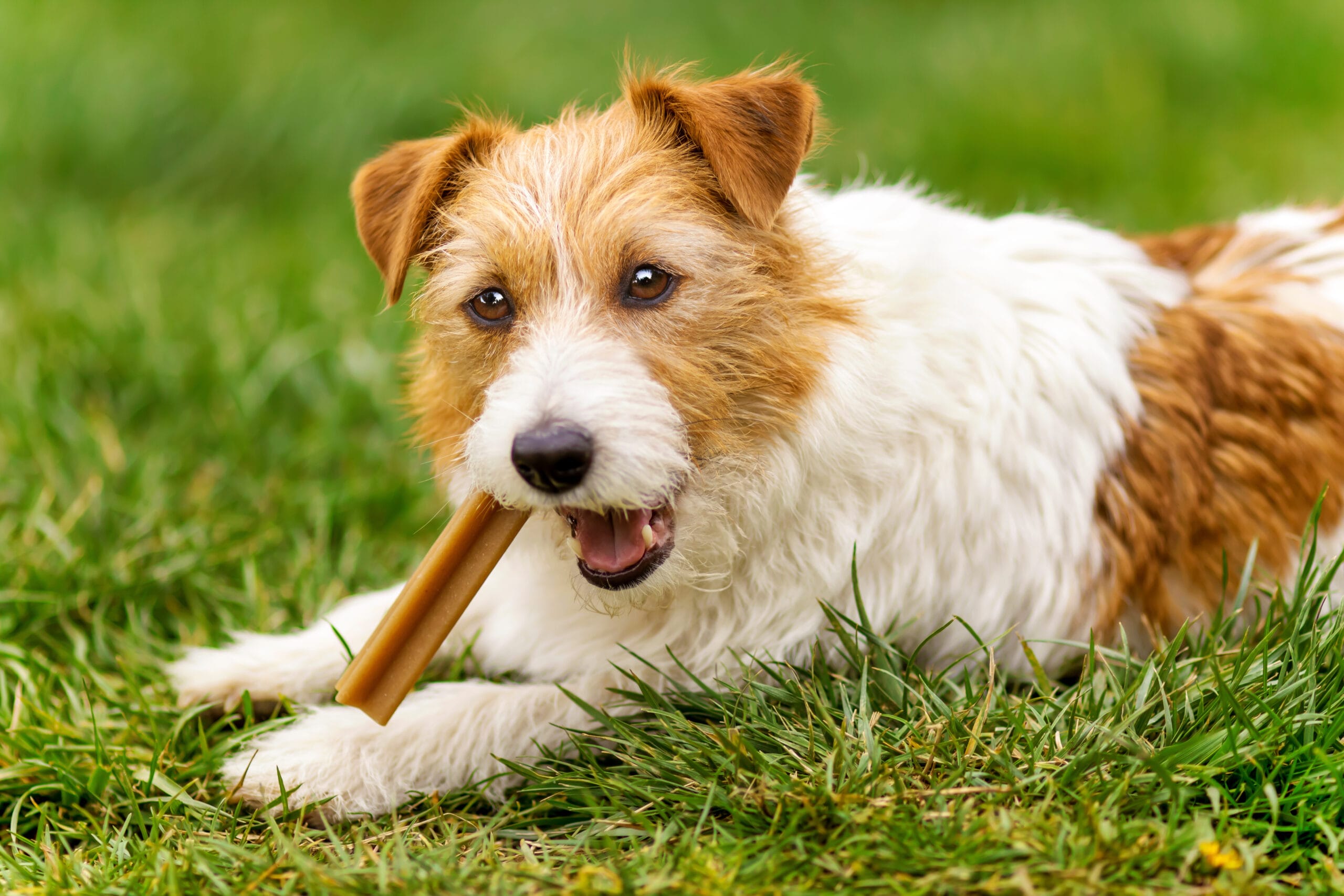
Primarily, these treats work through mechanical abrasion. The texture of the chew is specifically designed to be firm yet slightly yielding, acting much like a coarse toothbrush against the tooth surface.
As your dog works through the treat, the friction physically scrapes away soft plaque from the crowns of the teeth before it has the chance to harden into stubborn tartar.
Some advanced options go a step further by including enzymatic ingredients in their formula. These additives work chemically to help break down the biofilm and bacteria in the mouth, offering a double-action cleaning effect.
Understanding this distinction between physical scrubbing and chemical support is one of the most valuable Expert Tips on Dog Dental Chews. While they are excellent at polishing the visible parts of the teeth and keeping breath fresh between deep cleanings, they function best as a daily maintenance tool rather than a complete cure-all.
Mechanical scraping action vs. active enzymatic ingredients
Standing in the pet aisle staring at endless options can feel overwhelming. You just want to ensure you are not wasting money on empty marketing promises when picking something for your best friend. The real magic happens in two very different ways.
Mechanical options rely entirely on texture and friction. These treats are designed to be tough and chewy, physically scrubbing the tooth surface as your dog bites down to knock away loose food and soft plaque.
Enzymatic chews, however, take a chemical approach. They are infused with specific ingredients that mix with saliva to break down bacteria and biofilm, working to dissolve the sticky layer that leads to tartar.
It is similar to the difference between scrubbing a dirty pan with a sponge versus letting it soak in soapy water. One uses physical effort, and the other uses chemistry to get the job done.
Knowing which method your specific product uses is one of the most valuable Expert Tips on Dog Dental Chews for proactive owners. This knowledge ensures you are giving your pup a tool that actually supports their hygiene, rather than just a calorie-filled snack.
Choosing the correct size to maximize cleaning and prevent choking
One of the scariest moments for any pet parent is watching their best friend gulp down a treat without even chewing it. We have all had that moment where we hold our breath, hoping they swallow it safely.
You want to keep their teeth clean, but safety always comes first. Ensuring you pick the right size chew is not just about getting your money’s worth; it is the single most important factor in preventing a choking accident.
If a dental treat is too small, a large dog will likely swallow it whole. This defeats the entire purpose of the product because the cleaning action happens during the chewing process. Without that friction against the tooth surface, it is just a snack.
On the flip side, a chew that is too large or hard for a small dog can cause jaw strain or frustration, leading them to give up entirely.
It is a lot like buying a pair of running shoes. If they are too big, you trip; if they are too small, you can’t even take a step. You need the fit that lets you perform. Always check the weight guidelines on the package carefully.
Following these Expert Tips on Dog Dental Chews ensures that your pup actually gnaws on the treat long enough to scrub those teeth, giving you peace of mind that they are safe and getting the full benefit.
Expert Tips on Dog Dental Chews: Safety First
We all love seeing that tail wag when the treat jar opens. It is one of the best parts of the day. But as much as we want to spoil our best friend, there is a valid worry about whether these “healthy” treats are actually safe. You want to improve their health, not accidentally cause a painful emergency or a weight problem.
When selecting a chew, the “thumbnail test” is your best defense against broken teeth. If you cannot make a small indentation in the treat with your fingernail, it is likely too hard.
Giving your dog something rock-hard, like an antler or a dense bone, creates a serious risk of slab fractures. It is just like you biting down on a piece of ice or a hard candy; if the object is harder than the enamel, the tooth is going to lose that battle.
You also need to keep an eye on the waistline. Many dental chews are surprisingly calorie-dense, almost like a candy bar for dogs. If you add a large chew to their daily diet without reducing their dinner, those extra pounds can sneak up quickly.
Balancing these factors is central to our Expert Tips on Dog Dental Chews. You have to find that sweet spot—soft enough to prevent fractures, but tough enough to clean, all while keeping their weight in check.
The danger of extra-hard chews: Risk of tooth fractures
We all want that one treat that keeps our best friend busy for hours, giving us a moment of peace while they happily gnaw away. It feels like a win-win, but unfortunately, extreme durability often comes at a painful price. The hardest chews on the market, like deer antlers, cow hooves, and real bones, are actually the leading cause of painful tooth fractures.
The physics are simple but scary. When a dog bites down with full force on an object that has absolutely no give, the shockwave has to go somewhere. If the chew is harder than the tooth enamel, the tooth is the one that snaps. It is exactly like you biting down as hard as you can on a peach pit or a piece of ice; eventually, something is going to crack.
To keep those smiles safe, we recommend the “knee cap rule.” If you wouldn’t want to be hit in the knee with the treat, it is probably too hard for your dog’s teeth. Prioritizing softer, flexible options is one of the most critical Expert Tips on Dog Dental Chews we can share.
It ensures you are protecting their mouth from an emergency vet visit while still letting them enjoy their reward.
Calorie awareness: Avoiding weight gain while treating your pet
It is so hard to resist those puppy dog eyes when they are begging for a treat. We know that feeding them is often how we show our love, but it is crucial to remember that dental chews are not just tools, they are food. Many pet parents are shocked to learn that these dense treats can be significant calorie bombs, sometimes packing as much energy as a small meal.
If you hand out a large dental bone every single day without adjusting their regular food, those extra calories add up fast. It is very similar to you eating a full-sized candy bar every afternoon on top of your normal lunch and dinner; eventually, your jeans are going to feel a little tight. The same happens to your pup, putting extra stress on their joints and heart.
To keep your best friend healthy and trim, always check the nutritional label on the package. A great rule of thumb included in our Expert Tips on Dog Dental Chews is to treat the chew as part of their daily intake, not an extra.
Simply scoop a little less kibble into their bowl at dinnertime to balance things out. This way, you protect their smile without compromising their waistline.
The Limitation: Why Chews Are Not Enough
It is easy to fall into the trap of thinking that a daily dental stick is a magic wand for your dog’s health. We all want to believe that handing over a treat means we have “handled” the dental care for the day.
But the hard truth is that even the best chews on the market have a major blind spot. While they are fantastic at scrubbing the visible surface of the tooth, they physically cannot reach underneath the gumline.
This is critical because periodontal disease doesn’t start on the shiny white part of the tooth you can see; it starts in the hidden pockets below the gums. No matter how aggressively your dog gnaws on that bone, the treat simply cannot slide into those tight spaces to scrape away the dangerous bacteria hiding there.
Think of it like chewing a piece of mint gum after dinner. It freshens your breath and removes some surface debris, but it certainly doesn’t replace the need to floss or see your hygienist. Relying solely on treats leaves your best friend vulnerable to silent infection.
Understanding this limitation is one of the most vital Expert Tips on Dog Dental Chews. It helps you realize that while treats are a fun bonus, they are not a substitute for a real, deep clean.
The “Preventative” Hierarchy: Brushing, Chews, and Professional Cleaning
It is easy to feel a bit lost when trying to balance all the different advice on pet care. You want to make sure you are doing enough, and it is normal to wonder if those daily treats are carrying their weight. We appreciate that commitment to your best friend’s health.
The most effective approach is to view dental care as a ladder where each step builds on the last. Dental chews sit at the first rung because they are a helpful and enjoyable supplement for fresh breath.
Brushing is the next step up, providing a much better daily defense against plaque. However, the top rung is professional sedation-free cleaning. This is the only method that clears out the hidden bacteria below the gumline that the first two steps simply cannot reach.
This system mirrors your own oral hygiene perfectly. You might chew gum and brush daily, but you still see a hygienist to scrape away what you missed. Recognizing where each tool fits is one of the most practical Expert Tips on Dog Dental Chews.
It ensures you aren’t expecting a treat to do a professional’s job, giving you the peace of mind that your care plan is complete.
How to Tell If Your Dog Needs a Dental Cleaning: 3 Telltale Signs
The Magic Paws Solution: Completing the Care Routine
We know how hard it is to feel like you have to choose between ignoring a health risk and facing the fear of anesthesia. You want to do everything right for your best friend, and relying on treats feels like the safest bet. But true peace of mind comes from knowing the job is actually finished.
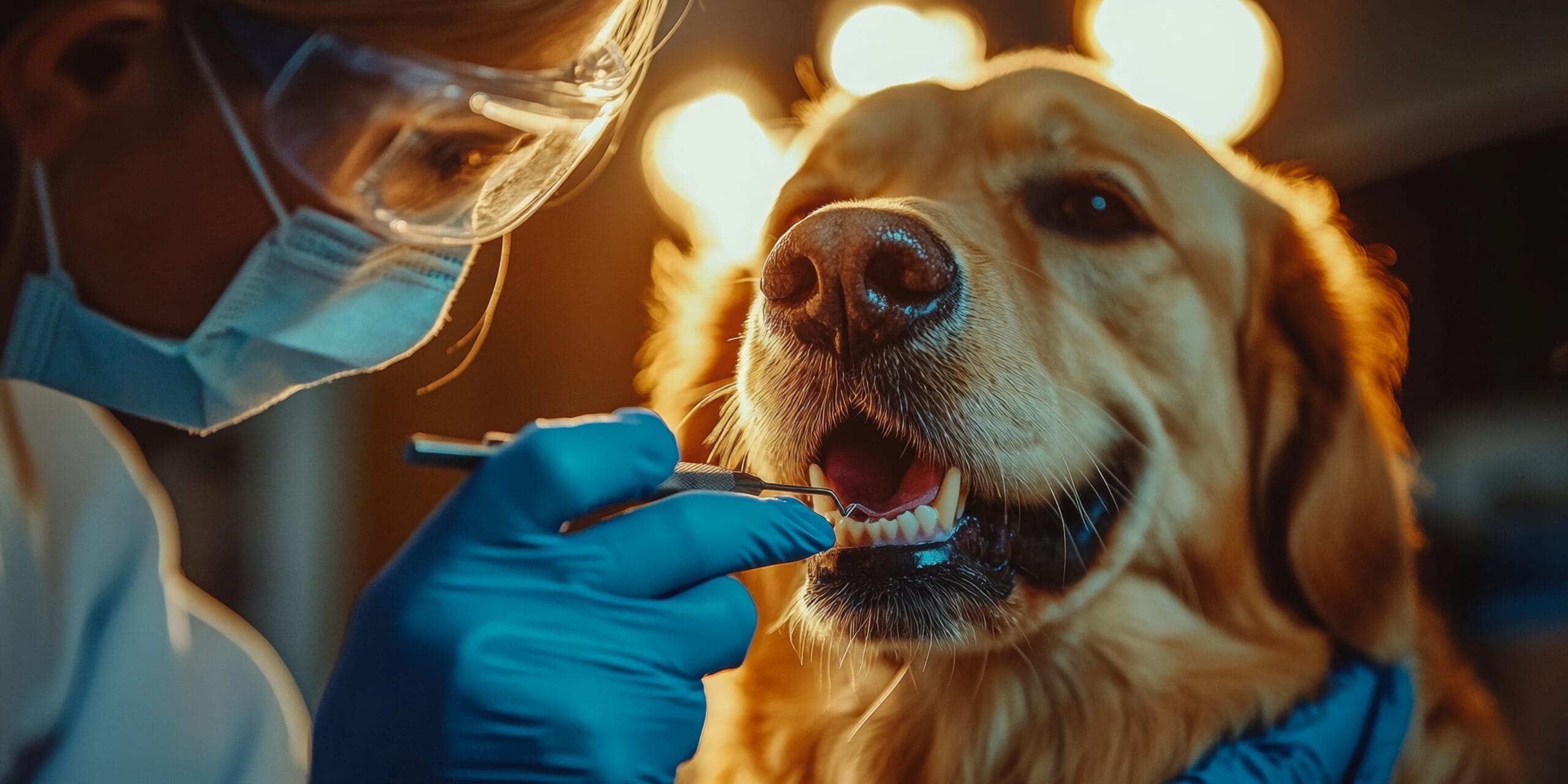
Our mobile, sedation-free service is the missing piece that completes your preventative puzzle. We provide the deep, sub-gingival clean that no chew, bone, or toothbrush can ever achieve.
While your daily treats handle the surface work, our trained technicians gently remove the dangerous bacteria hiding below the gums. We do this right in your driveway, using calming music and lavender to keep your pup relaxed and happy.
It is exactly like the relationship between flossing and seeing a hygienist. You need the daily maintenance, but you also need the professional deep clean to stay healthy. Recognizing that treats are partners, not replacements, is one of the most vital Expert Tips on Dog Dental Chews.
By adding our gentle cleaning to your routine, you close the gap on dental disease, ensuring your dog stays healthy, happy, and ready for years of sunny walks.
Sedation-free cleaning: The necessary step beyond daily treats
It feels great to hand over a dental bone and watch your best friend happily go to town. We know you want to believe that this daily ritual is keeping them fully protected. However, even the most aggressive chewer cannot remove the bacteria hiding deep in the pockets of their gums. That is why bringing in a professional is the non-negotiable next step.
Our sedation-free service picks up exactly where your at-home efforts leave off. We safely and manually scale away the calcified tartar that dental treats simply glide over. Because we don’t use anesthesia, we remove the fear factor that stops so many owners from getting this essential care. You get the deep clean needed without the risk or the groggy recovery.
It is exactly like the difference between running your car through an automatic wash versus getting it professionally detailed. The wash gets the dirt off the surface, but the detailer gets into every nook and cranny.
Recognizing that treats are for maintenance and we are for prevention is one of the most critical Expert Tips on Dog Dental Chews. It allows you to enjoy those treat moments knowing you have a real plan in place to protect their health for the long run.
How to prepare your dog for dental cleaning: The anesthesia-free checklist
Conclusion: Combining Chews and Professional Care for Results
Ultimately, dental treats are a fantastic tool for daily happiness and surface cleaning, but they are just one piece of the puzzle. We have explored how mechanical scraping reduces plaque, and why choosing the right size and avoiding hard bones is vital to prevent painful fractures.
However, the most critical of our Expert Tips on Dog Dental Chews is recognizing their limit: no treat can reach the bacteria hiding below the gumline, where disease starts. That is where we come in.
By combining your mindful treat routine with The Magic Paws’ gentle, sedation-free cleaning, you bridge the gap between a happy snack and true preventative health. It is not about choosing one or the other; it is about using both to give your best friend a lifetime of healthy smiles.