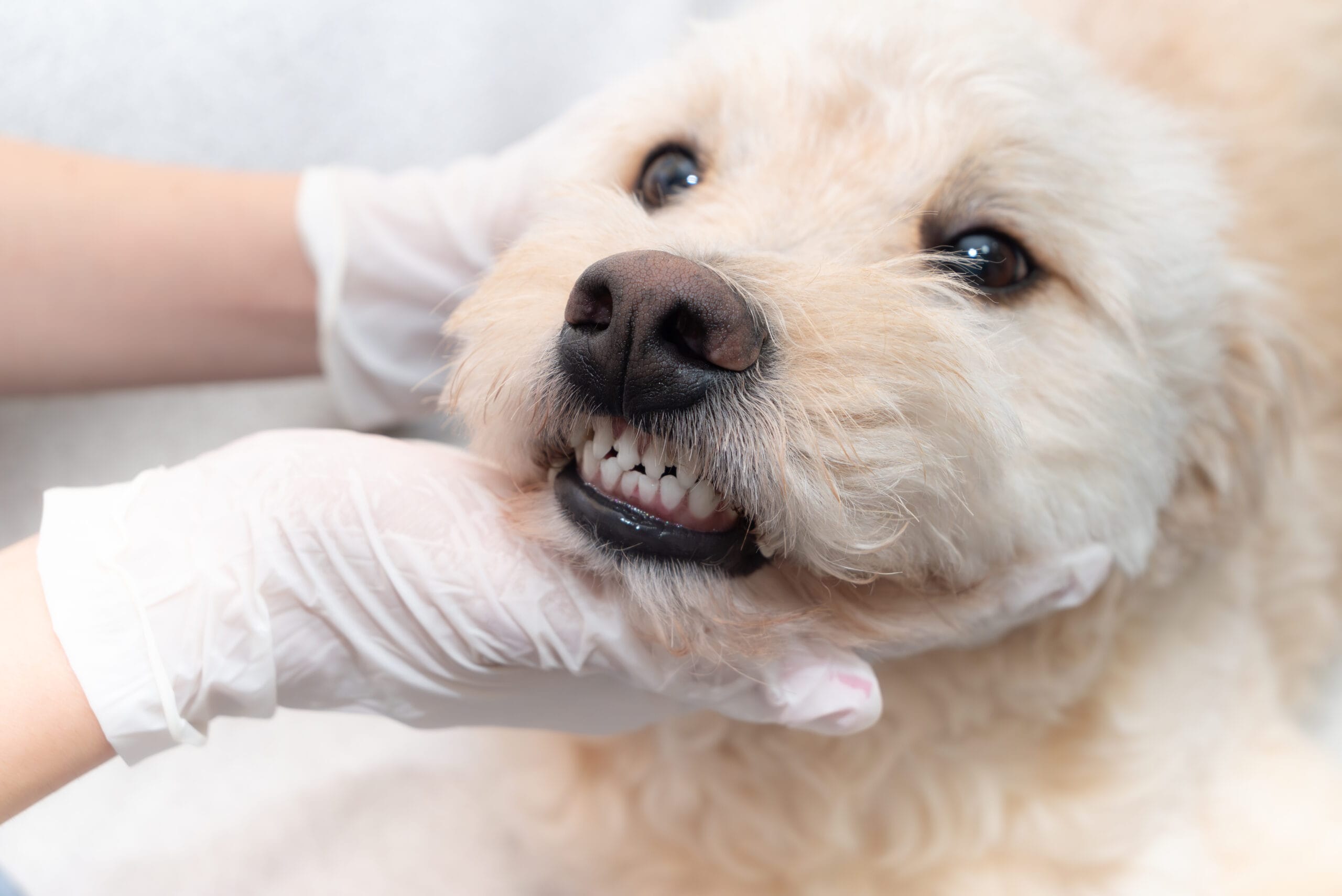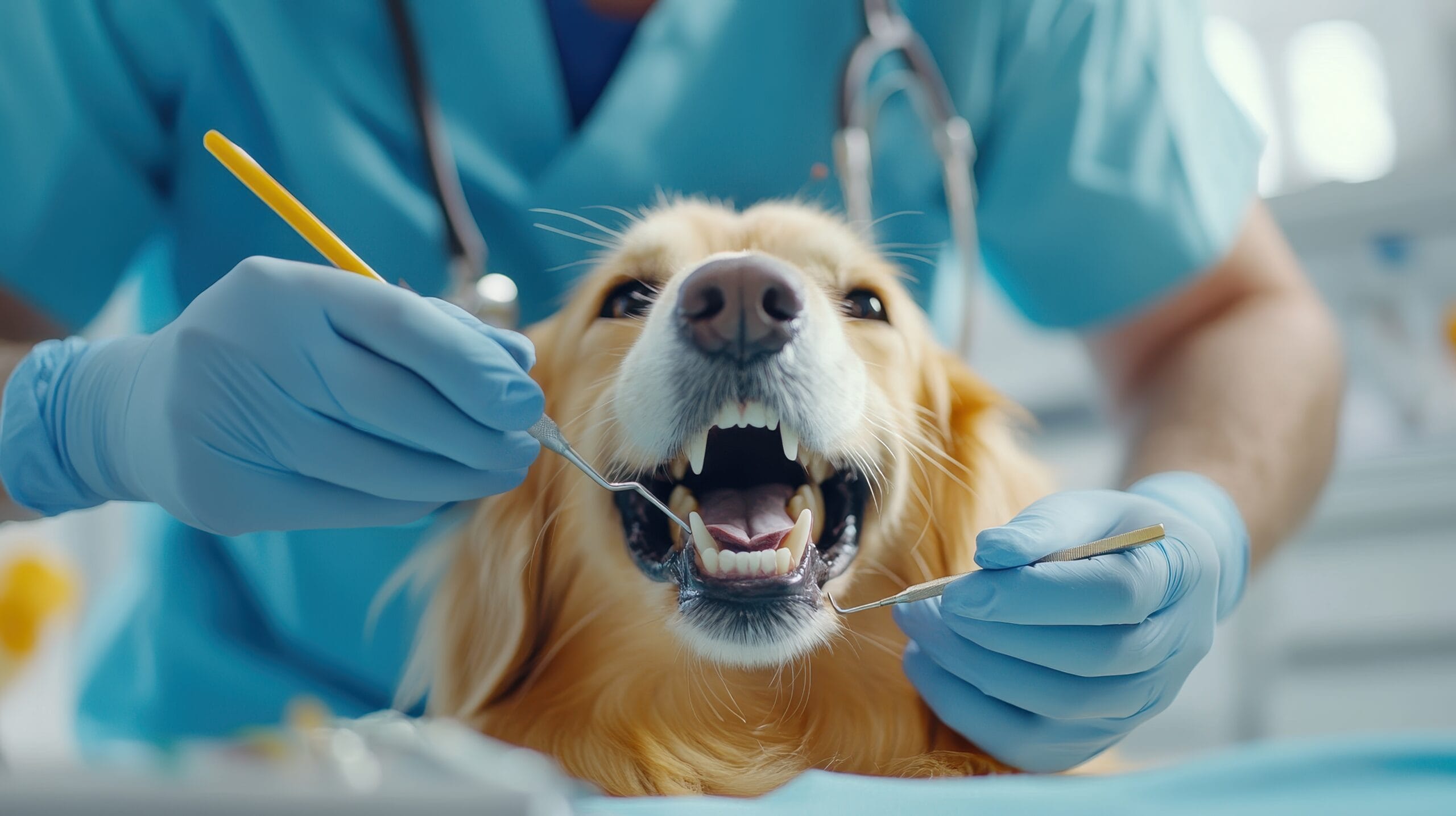

Dog teeth cleaning is one of the most important and most overlooked aspects of your pet’s long-term health. While most dog owners focus on nutrition, exercise, and regular vet visits, oral hygiene often gets pushed to the back of the list.
The problem is that dental disease doesn’t wait. Plaque builds up silently, tartar hardens below the gumline, and by the time symptoms become visible, the damage is already progressing.
The good news is that prevention is both accessible and effective. Whether through at-home routines or professional cleaning sessions, keeping your dog’s teeth clean protects far more than their smile. It protects their heart, their kidneys, and their quality of life.
In this guide, you’ll learn why dental care matters at every stage of your dog’s life, what your options are, including safe anesthesia-free professional cleaning, and how to build a prevention routine that works for your pet. By the end, you’ll have everything you need to make a confident, informed decision about your dog’s oral health.
Why is dog teeth cleaning so important for your pet’s health?
Dog teeth cleaning is important because it prevents plaque buildup, gum disease, tooth loss, and infections that can affect your dog’s overall health. Maintaining oral hygiene is not just about keeping teeth clean; it protects your pet from serious medical problems.
Just like humans, dogs accumulate plaque on their teeth after eating. Without regular cleaning, plaque hardens into tartar, which irritates the gums and creates a breeding ground for bacteria.
Over time, these bacteria can cause inflammation and infections that extend beyond the mouth. Veterinary research has shown that untreated dental disease can affect internal organs through bacteria entering the bloodstream.
According to the American Veterinary Dental College (AVDC), the majority of dogs show signs of periodontal disease by age three. That’s not a senior dog statistic. It applies to young adult pets that have never had a professional cleaning.
Maintaining your dog’s dental health helps prevent pain, improves eating comfort, and reduces the risk of long-term complications. And a regular dental care also helps your dog maintain fresh breath, healthier gums, and stronger teeth throughout their life.
What happens if you never clean your dog’s teeth?
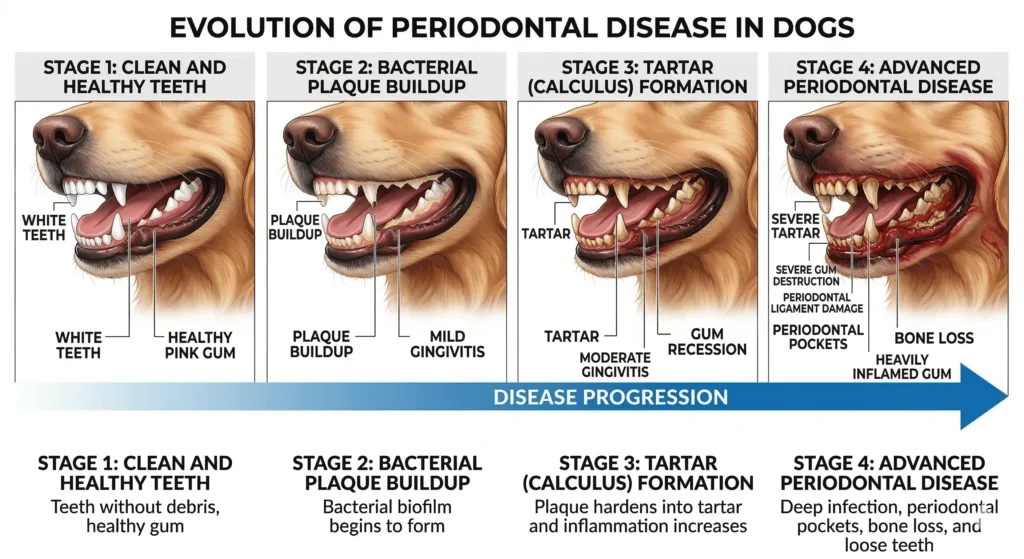
When you never clean your dog’s teeth, the progression follows a predictable and entirely preventable sequence. Plaque, a soft bacterial film, forms on tooth surfaces every single day. Within 72 hours, it mineralizes into tartar, a hard calcified deposit that no toothbrush can remove. From that point, the damage compounds.
This progression typically follows several stages:
- Plaque buildup: Food particles and bacteria form a sticky film on the teeth;
- Tartar formation: Plaque hardens into yellow or brown deposits;
- Gingivitis: The gums become red, swollen, and sensitive;
- Periodontal disease: Infection spreads deeper into the tissues supporting the teeth.
- Tooth loss and systemic infection: Severe cases may impact other organs.
Dental infections can become painful and may cause dogs to stop eating, chew on only one side of their mouth, or avoid toys they once enjoyed.
Consider a seven-year-old Labrador whose owner noticed bad breath but assumed it was normal for an older dog. By the time a professional evaluation was done, three teeth required extraction, and early kidney involvement was flagged by bloodwork. The disease had been progressing silently for years.
For a more profound look at how periodontal disease develops and what it means for your dog’s health, visit our guide on understanding dog dental disease.
What are the warning signs that your dog needs a dental cleaning?
Your dog needs a dental cleaning when you notice persistent bad breath, visible yellow or brown buildup on the teeth, red or swollen gums, excessive drooling, or difficulty chewing. These are not cosmetic issues; they are clinical signals that bacteria have been accumulating long enough to cause structural damage.
Six warning signs to watch for:
- Persistent bad breath: the most common early indicator of bacterial buildup and gum inflammation
- Yellow or brown deposits on teeth: visible tartar that can no longer be removed at home
- Red, swollen, or bleeding gums: signs of active gingivitis or early periodontal disease
- Pawing at the mouth or face: often indicates oral pain or discomfort
- Difficulty chewing or dropping food: may signal tooth sensitivity, loosening, or pain
- Excessive drooling: especially when combined with any of the signs above
If your dog is showing one or more of these signs, the right step is scheduling a professional evaluation before the condition advances. Learn more about what these symptoms may indicate in our article on signs your pet might have dental problems.
What is the best age to start cleaning a dog’s teeth?
The best age to start cleaning a dog’s teeth is between one and two years old, when plaque and tartar typically begin to accumulate and preventive habits can be established before tartar has a chance to accumulate. Starting early means your dog also gets used to the experience, making every future session easier.
But dental care is appropriate at any age. For example, senior dogs are excellent candidates for anesthesia-free professional cleaning precisely because they benefit from preventive maintenance without the added risk that general anesthesia can carry in older or medically compromised pets.
That said, dental care is appropriate at any age. Senior dogs are excellent candidates for anesthesia-free professional cleaning precisely because they benefit from preventive maintenance without the added risk that general anesthesia can carry in older or medically compromised pets.
Starting early and maintaining a consistent routine helps prevent serious dental problems later in life.
What are the different ways to clean your dog’s teeth?
There are several ways to clean your dog’s teeth, ranging from simple at-home care routines to professional dental cleaning performed by trained specialists. Each option serves a different purpose and works best when used together as part of a long-term dental health strategy.
At-home dental care helps reduce plaque buildup between professional cleanings, while professional treatments remove hardened tartar that cannot be eliminated through brushing alone.
Understanding the differences between these options helps pet owners choose the safest and most effective routine for their dog’s needs.
If you want to protect your dog from gum disease and painful dental problems, the best approach combines prevention at home with regular professional cleanings.
Can you clean your dog’s teeth at home?
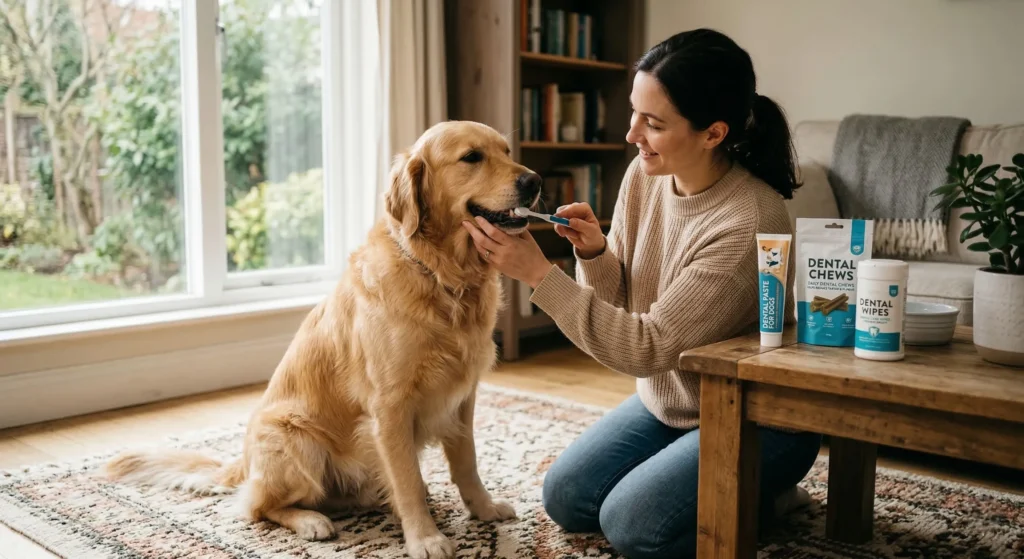
Yes, you can clean your dog’s teeth at home, and doing so is an important part of maintaining good oral hygiene between professional cleanings.
At-home dental care helps reduce plaque buildup and keeps your dog’s breath fresher. However, it does not replace professional cleaning because hardened tartar requires specialized tools to remove safely.
Common ways to clean your dog’s teeth at home include:
a. Toothbrushing
Brushing your dog’s teeth with dog-safe toothpaste is one of the most effective methods. A soft-bristle toothbrush or finger brush can help remove plaque before it hardens into tartar.
b. Dental wipes
Dental wipes allow pet owners to gently clean the surface of their dog’s teeth and gums. They are often easier for dogs that resist brushing.
c. Dental chews
Dental chews are designed to reduce plaque buildup through chewing. They also stimulate saliva production, which helps wash away food particles.
d. Water additives
Some products can be added to your dog’s drinking water to help control bacteria and improve breath.
e. Building a routine
Consistency matters more than perfection. Establishing a daily or weekly routine helps dogs become comfortable with oral care.
While these methods are helpful, they cannot remove hardened tartar. That is why professional dental cleaning remains essential for long-term oral health.
What is professional dog teeth cleaning, and how does it work?
Professional dog teeth cleaning is a structured procedure performed by a trained technician or veterinary professional to remove plaque and tartar that at-home care cannot address. It involves scaling, the mechanical removal of deposits from tooth surfaces, and polishing, which smooths the enamel to slow future buildup.
There are two primary modalities: cleaning performed under general anesthesia, and anesthesia-free dental cleaning. Both aim to improve oral health, but they differ significantly in scope, candidacy, cost, and recovery.
Traditional cleaning under anesthesia allows full access to all surfaces of the teeth, including subgingival areas below the gumline, and enables dental X-rays, extractions, and treatment of advanced disease. It is performed at a veterinary clinic and requires pre-anesthetic blood work, IV fluids, and a recovery period.
Anesthesia-free cleaning is performed with the pet awake, using manual hand instruments to remove accessible plaque and tartar. It is appropriate for preventive maintenance in cooperative, eligible pets and does not require sedation, blood work, or recovery time.
What is anesthesia-free dog teeth cleaning?
Anesthesia-free dog teeth cleaning is a professional dental procedure in which a trained technician manually removes plaque and tartar from a dog’s teeth without the use of general anesthesia or sedation. The pet remains conscious and calm throughout the session, which typically takes 45 to 60 minutes.
The procedure focuses on the visible surfaces of the teeth and accessible areas along the gumline. It uses hand scalers and finishing instruments to remove bacterial deposits and polish tooth surfaces, reducing the environment in which new plaque forms.
Non-anesthetic dental cleaning is a safe and effective preventive option for eligible pets, particularly those with mild to moderate tartar buildup who do not require extractions or radiographs.
The absence eliminates the associated physiological risks, making it a suitable choice for senior dogs, dogs with cardiovascular conditions, and veterinary cleanings.
It works best for dogs with mild to moderate tartar buildup. And for many pet owners, this option offers a preventive approach that helps maintain oral health between more comprehensive veterinary dental treatments.
Is anesthesia-free dog dental cleaning safe, or should you choose traditional cleaning?
Both anesthesia-based and anesthesia-free dental cleanings serve important roles in maintaining your dog’s oral health, but the answer depends on your dog’s individual health profile, the current condition of their teeth, and what the procedure needs to accomplish.
Anesthesia-free cleaning and traditional cleaning under anesthesia are not competing options. They serve different purposes within a complete dental care strategy for pets.
Prevention is best served by anesthesia-free maintenance. Treatment of advanced disease requires anesthesia and a licensed veterinarian. Understanding when each approach is appropriate can help you make the best decision for your pet.
Who is a good candidate for anesthesia-free cleaning?
If a dog shows signs of advanced dental disease, veterinarians may recommend traditional cleaning under anesthesia instead.
Eligibility for this protocol is always assessed before each session. As part of responsible care, not every pet qualifies, and that assessment is built into The Magic Paws Prevention.
For example, senior dogs are among the strongest candidates. As dogs age, the risks associated with general anesthesia increase, particularly for pets with heart conditions, kidney disease, or reduced organ function. Anesthesia-free cleaning allows these dogs to receive consistent preventive care without the physiological stress of sedation.
So, young dogs in the early stages of plaque accumulation also benefit significantly. Starting anesthesia-free sessions at one to two years of age establishes a prevention rhythm that delays, and often prevents, the need for more invasive procedures later.
And dogs currently healthy but due for maintenance between full veterinary cleanings represent another clear-cut case. Rather than waiting twelve months between anesthesia-based procedures while plaque accumulates unchecked, six-month anesthesia-free sessions keep the baseline clean and the bacterial load manageable.
When is anesthesia required for dog dental cleaning?
Anesthesia is required when a dog needs advanced dental treatment that cannot be safely performed while the pet is awake.
Situations where anesthesia may be necessary include:
- Severe periodontal disease;
- Tooth fractures or damage;
- Dental X-rays for hidden problems;
- Tooth extractions;
- Cleaning below the gum line.
These are clinical situations where anesthesia-free techniques are not the appropriate tool and where the risk of not treating the condition outweighs the risk of sedation under proper veterinary supervision.
The Magic Paws is transparent about this boundary. When a dog presents with signs of advanced disease or conditions outside the scope of anesthesia-free care, they are referred to a licensed veterinarian for proper diagnosis and treatment.
That referral isn’t a limitation. It’s the foundation of a protocol built on pet safety first.
How much does dog teeth cleaning cost with and without anesthesia?
Dog dental cleaning cost varies significantly depending on the method, the dog’s size, geographic location, and the condition of the teeth at the time of the procedure. Understanding what drives those costs helps you evaluate the real value of each option.
According to PetMD, traditional cleaning under anesthesia typically ranges from $350 to $1,500 depending on the complexity of the procedure and the veterinary practice. Pre-anesthetic blood work, IV fluids, and any extractions are usually billed separately, meaning the final cost can exceed the initial estimate.
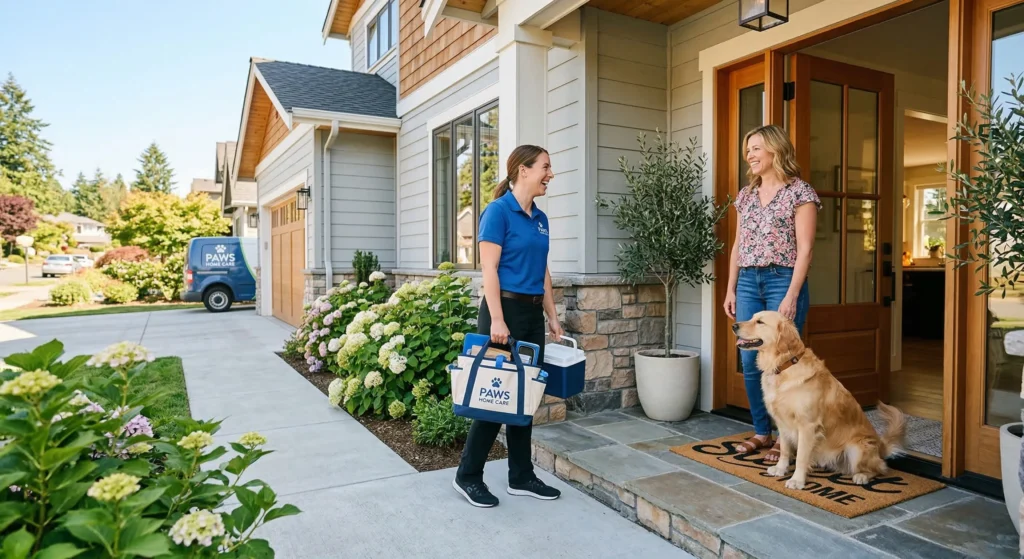
The Magic Paws offers anesthesia-free professional cleaning starting at $180 for small dogs and $250 for larger dogs and cats. The service is mobile, comes to your home, and includes the full Senses Therapy experience: no clinic stress, no sedation, and no recovery.
| Traditional Cleaning (Under Anesthesia) | The Magic Paws (Anesthesia-Free) | |
| Cost range | $350 – $1,500+ | From $180 (small dogs) / $250 (large dogs/cats) |
| Anesthesia required | Yes | No |
| Pre-procedure blood work | Yes | No |
| Recovery time | Yes (hours to days) | None |
| Dental X-rays | Yes (when indicated) | Not included |
| Extractions | Yes (when needed) | Not performed |
| Session duration | Variable | 45 to 60 minutes |
| Setting | Veterinary clinic | Mobile, at your home |
| Ideal use | Advanced disease, extractions, diagnostics | Preventive maintenance, mild to moderate tartar |
Prevention is significantly less expensive than treatment. Scheduling consistent six-month maintenance sessions is a measurable investment in avoiding the higher costs and health risks of advanced dental disease.
Ready to give your dog a healthier smile? Book your anesthesia-free cleaning with The Magic Paws today safe, mobile, and stress-free care at your doorstep.
Do vets recommend anesthesia-free teeth cleaning for dogs?
Many veterinarians recommend anesthesia-free dental cleaning as a preventive maintenance option, particularly for dogs who are not currently candidates for full anesthesia-based procedures or who need consistent oral care between annual veterinary cleanings.
The positioning is complementary, not competitive, because the anesthesia-free cleaning does not replace the diagnostic depth of a full veterinary dental procedure; it supports it.
By keeping bacterial load manageable and tartar accumulation in check, regular anesthesia-free sessions reduce the frequency with which more invasive interventions become necessary.
The Magic Paws operates within this complementary framework. Every session follows a structured protocol, eligibility is evaluated before treatment, and cases requiring veterinary-level intervention are referred accordingly.
The goal is not to replace your veterinarian. It is to give your dog structured preventive care between those visits.
How does the Magic Paws make dog teeth cleaning safe, stress-free and effective?
The Magic Paws is a mobile anesthesia-free pet dental cleaning service built on a structured Prevention Protocol. Every appointment follows documented safety steps, every pet is assessed for eligibility before the session begins, and every procedure is performed by trained dental technicians, not general groomers.
What makes the experience distinct is not just the absence of anesthesia. It is the intentional design of every element of the session to keep your pet calm, cooperative, and comfortable from arrival to completion.
What is sensory therapy, and how does it keep your dog calm?
Senses Therapy is The Magic Paws’ proprietary relaxation protocol, a structured multi-sensory approach designed to reduce stress and keep pets calm throughout the anesthesia-free dental session without the use of sedation. It is built on four pillars, each targeting a different physiological and behavioral dimension of the pet’s experience.
Aromatherapy
Uses lavender-based scents to activate the parasympathetic nervous system, promoting a calm, relaxed state before the procedure begins. Scent is one of the most direct pathways to emotional regulation in dogs, making this the first layer of the protocol.
Music Therapy
Uses species-specific sound frequencies and calming compositions to reduce auditory stress during the session. Background sound has a measurable effect on canine anxiety levels, and the selection is intentional, not incidental.
Chromotherapy
Applies specific color environments to reduce visual stimulation and support a low-stress sensory field. Light and color influence mood in pets as in people, and this element removes a common source of procedural anxiety.
Massage on relaxing points
Targets specific areas known to reduce tension in dogs, including the base of the ears, the shoulders, and the base of the tail, before and during the procedure. This physical grounding reinforces the calming effect of the other three pillars.
Together, these four elements form a repeatable, structured experience. Your dog isn’t just cleaned. They are guided through a session designed for their comfort at every step.
How often should you get your dog’s teeth cleaned?
Every six months is the recommended frequency for anesthesia-free preventive cleaning. This interval is based on the biological timeline of plaque and tartar accumulation, not on convenience or marketing. Within six months, bacterial deposits reach a level that significantly increases the risk of gum inflammation if left unaddressed.
Annual professional cleaning under anesthesia may still be recommended by your veterinarian depending on your dog’s health status and the findings from a full oral examination.
For pet owners committed to a structured prevention routine, The Magic Paws offers the Dental Clean Club, a recurring care program designed to make six-month sessions simple, consistent, and cost-effective. Frequency isn’t cosmetic; it’s a biological strategy.
What should you expect during and after your dog’s cleaning session?
A Magic Paws session begins before the technician ever touches your dog’s teeth. From the moment of arrival, the Senses Therapy protocol is activated: the environment is prepared, the scents are present, and the interaction is calm and deliberate.
The technician performs a pre-session eligibility assessment to confirm the dog is appropriate for anesthesia-free treatment that day. This step is non-negotiable and part of every appointment.
The cleaning itself takes 45 to 60 minutes. Manual hand instruments are used to scale visible plaque and tartar from the tooth surfaces and accessible gumline areas, followed by polishing to smooth the enamel. Your dog remains awake throughout, held gently and supported by the multi-sensory environment.
The results are visible immediately: cleaner teeth, fresher breath, and a noticeably more comfortable pet.
Is Dog Teeth Cleaning Worth It?
Dog teeth cleaning is worth it, and the evidence points in one direction: prevention costs significantly less, in every sense, than treatment.
Advanced periodontal disease requires procedures that range from hundreds to over a thousand dollars, involve anesthesia, extraction, and recovery, and place measurable physiological stress on your pet. Preventive cleaning, maintained consistently, delays or prevents that outcome entirely.
The quality-of-life dimension is equally concrete. Dogs with chronic oral pain often show behavioral changes such as:
- reduced appetite;
- decreased activity;
- irritability.
That owners attribute to aging when the real cause is untreated dental disease. Addressing oral health proactively keeps your dog comfortable, engaged, and well into their senior years.
Prevention today protects tomorrow. More years, smiles, and tail wags. 🐶🦷✨
Ready to give your dog a healthier smile? Book your anesthesia-free cleaning with The Magic Paws today — safe, mobile, and stress-free care at your
Frequently asked questions about dog teeth cleaning
Dog teeth cleaning raises real questions, and pet owners deserve direct answers. The section below covers the most common doubts, from safety and frequency to cost and what happens when dental care gets delayed.
How often should I get my dog’s teeth cleaned?
Every six months is the recommended frequency for anesthesia-free preventive cleaning. This interval matches the biological timeline of plaque and tartar accumulation: within six months, bacterial deposits reach a level that meaningfully increases the risk of gum inflammation if left unaddressed.
Annual professional cleaning under anesthesia may also be recommended by your veterinarian depending on the findings of a full oral examination. The two approaches are not alternatives to each other. They work in parallel, with anesthesia-free sessions maintaining the baseline between full veterinary cleanings.
Is anesthesia-free dog teeth cleaning safe?
Yes, for eligible pets. Anesthesia-free cleaning is performed by trained dental technicians using manual hand instruments, with no sedation, no blood work required, and no recovery period. The pet remains calm and conscious throughout a session lasting 45 to 60 minutes.
Eligibility is assessed before every appointment. Not every dog qualifies, and that screening process is a core part of responsible anesthesia-free care. Cases involving advanced periodontal disease, extractions, or the need for dental X-rays are referred to a licensed veterinarian.
For a detailed look at the safety standards behind anesthesia-free cleaning, read our guide on whether dental cleaning is safe for dogs.
What happens if you never clean your dog’s teeth?
When a dog’s teeth are never cleaned, plaque accumulates daily and mineralizes into tartar within 72 hours. Tartar below the gumline triggers chronic inflammation, leading to gingivitis and, without intervention, to periodontal disease: irreversible bone loss, loosening teeth, and potential tooth extraction.
The consequences extend beyond the mouth. Oral bacteria can enter the bloodstream and affect the heart, kidneys, and liver. Dental disease is one of the most common and preventable health conditions in dogs, and its progression is entirely avoidable with consistent preventive care.
How Much Does Dog Teeth Cleaning Cost Without Anesthesia?
The Magic Paws charges from $180 for small dogs and $250 for larger dogs and cats. The service is mobile and comes directly to your home, with the full Senses Therapy experience included in every session.
For context, traditional professional cleaning under anesthesia typically ranges from $350 to $1,500 according to PetMD, with pre-anesthetic blood work, IV fluids, and any extractions often billed separately.
Can I clean my dog’s teeth at home?
Yes, and consistent at-home care makes a real difference between professional sessions. Daily brushing with a dog-safe enzymatic toothpaste is the most effective method for slowing plaque accumulation. Dental chews with the VOHC seal of acceptance, dental wipes, and water additives are practical complements when brushing isn’t possible.
At-home care does not replace professional cleaning. Established tartar cannot be removed by brushing alone. The most effective strategy combines daily home maintenance with professional anesthesia-free sessions every six months.
What is the best age to start cleaning a dog’s teeth?
Between one and two years old is the ideal starting point, when adult teeth are fully in and preventive habits can be established before tartar has a chance to accumulate. Starting early also helps your dog become familiar with the experience, making future sessions calmer and more cooperative.
Senior dogs are equally strong candidates for anesthesia-free cleaning. As dogs age, the risks of general anesthesia increase, making sedation-free preventive maintenance a particularly valuable option for older pets managing cardiovascular or organ-related conditions.
Is dog teeth cleaning worth it?
Absolutely. Prevention costs a fraction of what advanced dental disease requires to treat. By the time periodontal disease reaches the stage of extraction, anesthesia, and post-procedure medication, the financial and health cost is significantly higher than any consistent prevention routine would have been.
Beyond the numbers, there is the quality-of-life outcome. Dogs with healthy mouths are more comfortable, more engaged, and more active. Preventive dental care is one of the most direct investments you can make in your dog’s longevity and well-being.
Os veterinários recomendam a limpeza dentária sem anestesia para cães?
Muitos veterinários recomendam a limpeza dentária sem anestesia como uma opção de manutenção preventiva, especialmente para cães que precisam de cuidados bucais consistentes entre as limpezas veterinárias anuais ou que não são bons candidatos à anestesia eletiva.
A abordagem é complementar, não competitiva. O Magic Paws trabalha em conjunto com o seu veterinário, não em substituição a ele. Quando um caso requer diagnóstico ou tratamento veterinário, ele é encaminhado para o profissional adequado. Quando um cão precisa de uma manutenção preventiva estruturada e segura, é exatamente isso que o Protocolo de Prevenção Magic Paws oferece.