If you’ve ever searched for the price of a cat dental cleaning and come back more confused than when you started, you’re not alone. The answer varies enough that different clinics in the same city can quote you prices that are hundreds of dollars apart, and both would be telling you the truth.
The cost of cat teeth cleaning depends on a set of concrete factors: the condition of your cat’s mouth, the type of clinic you go to, where you live, and whether the procedure turns up anything that needs to be addressed beyond a standard cleaning. Understanding those variables makes the number feel less random and helps you plan ahead.
This article covers what a standard feline dental cleaning includes, what drives the cost up or down, and how anesthesia-free dental cleaning compares as a preventive option. By the end, you’ll have a clearer picture of what to expect at different price points and when each option makes sense.
There’s also a comparison table that puts both approaches side by side, so you can evaluate what fits your cat’s current oral health and your situation without having to piece it together from multiple sources.
How much does cat teeth cleaning cost on average?
A professional cat dental cleaning performed under anesthesia generally costs between $300 and $700 in the United States, though total out-of-pocket expenses can reach $1,000 or more once pre-anesthetic exams, bloodwork, dental X-rays, and any extractions are included. That range reflects the base procedure at an average veterinary clinic, without significant complications.
The lower end of that range, around $300, usually covers a straightforward cleaning on a younger cat with good baseline oral health and no need for additional procedures. The higher end applies when the animal has advanced tartar buildup, requires radiographs to evaluate tooth roots, or requires one or more extractions.
Cats with feline odontoclastic resorptive lesions (tooth resorption) often fall into the higher cost bracket because treatment requires both imaging and extraction.
Geography plays a real role too. Clinics in major metropolitan areas of South Florida typically charge more than rural practices, and specialty dental clinics charge more than general veterinary practices across the board.
What does a cat teeth cleaning include?
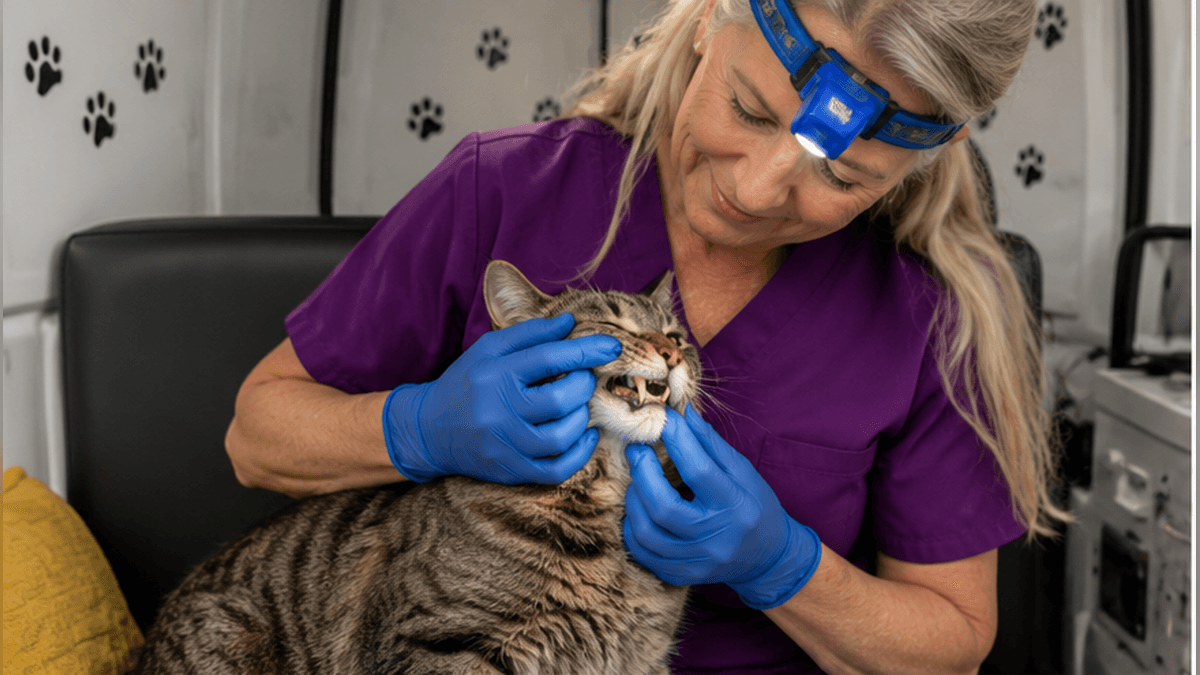
A standard feline dental cleaning covers the core steps of dental prophylaxis: a pre-anesthetic physical exam, administration of general anesthesia, scaling to remove plaque and tartar from above and below the gumline and polishing to smooth the tooth surfaces. Some clinics include a basic oral exam and charting of any abnormalities as part of the base service.
What is typically included in the base price:
- Pre-anesthetic exam and assessment
- General anesthesia and monitoring throughout the procedure
- Ultrasonic scaling to remove tartar and plaque
- Subgingival scaling (below the gumline)
- Polishing to smooth enamel surfaces
- Post-procedure oral exam and charting
Additional costs that can raise the total
Several services are rarely included in the base fee and will appear as line items if they are needed. Full-mouth dental radiographs, which allow the veterinarian to evaluate tooth roots and detect bone loss, typically add $75 to $200 to the final bill. Pre-anesthetic bloodwork, recommended for older cats or those with health conditions, ranges from $80 to $150 depending on the panel.
Tooth extractions carry variable costs based on complexity. A simple extraction may add $50 to $100 per tooth.
Surgical extractions, which are required for multi-rooted teeth or fragile feline teeth affected by resorption, can run $150 to $300 or more per tooth. If your cat has multiple problem teeth, that cost compounds quickly. Antibiotics or pain medication prescribed post-procedure add a smaller but real amount to the total.
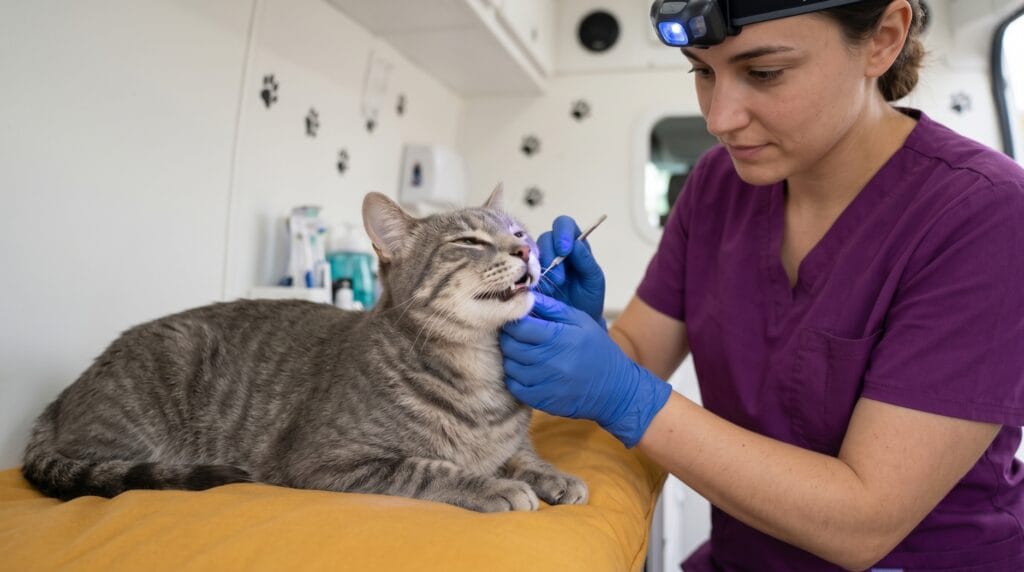
What factors affect the cost of cat teeth cleaning?
The final price of a cat dental cleaning is shaped primarily by four variables: the cat’s current oral health, its age, the type of facility performing the procedure, and your geographic location.
A cat with healthy gums and minimal buildup will cost less to treat than one with moderate or advanced periodontal disease.
Cat’s age and oral health
Older cats are more likely to require pre-anesthetic bloodwork and more detailed evaluation. They are also more likely to have tartar accumulation, tooth resorption, or gum recession that requires attention beyond a routine cleaning.
Type of clinic
General veterinary practices are typically less expensive than specialty dental clinics. Mobile veterinary services may offer competitive pricing depending on the service structure.
The level of monitoring, equipment used, and post-procedure care can differ between clinic types.
Location
Cat dental cleaning price factors include regional cost of living. Urban areas in South Florida, for example, carry higher overhead costs that translate directly to service pricing.
Procedure complexity
The more the veterinarian finds during the cleaning, the higher the bill. A cat that hasn’t had professional feline oral hygiene care in several years will likely require more time, more equipment use, and potentially more intervention.
Is anesthesia-free cat teeth cleaning a real option?
Yes, anesthesia-free cat teeth cleaning exists and is used as a preventive service, but it serves a different purpose than a full veterinary dental procedure.
The cost range for this approach is generally $150 to $350, making cat teeth cleaning without anesthesia cost considerably less than the anesthesia-based alternative.
The table below puts both options side by side to help you evaluate which fits your cat’s current situation.
| Cleaning with anesthesia | Anesthesia-free cleaning | |
| Average cost | $300 to $700+ | $150 to $350 |
| What is included | Full scaling (supra and subgingival), polishing, oral exam, anesthesia and monitoring | Supragingival scaling and polishing; no subgingival access |
| Recovery time | 4 to 12 hours post-procedure | No recovery time needed |
| Stress level for the cat | Low during procedure (sedated); disorientation upon waking | Variable; cooperative cats tolerate it well |
| Recommended for | Cats with active disease, significant tartar, or need for X-rays or extractions | Cats with good baseline oral health needing preventive maintenance |
| Recommended frequency | Every 1 to 3 years depending on oral health | Every 6 to 12 months as part of a preventive routine |
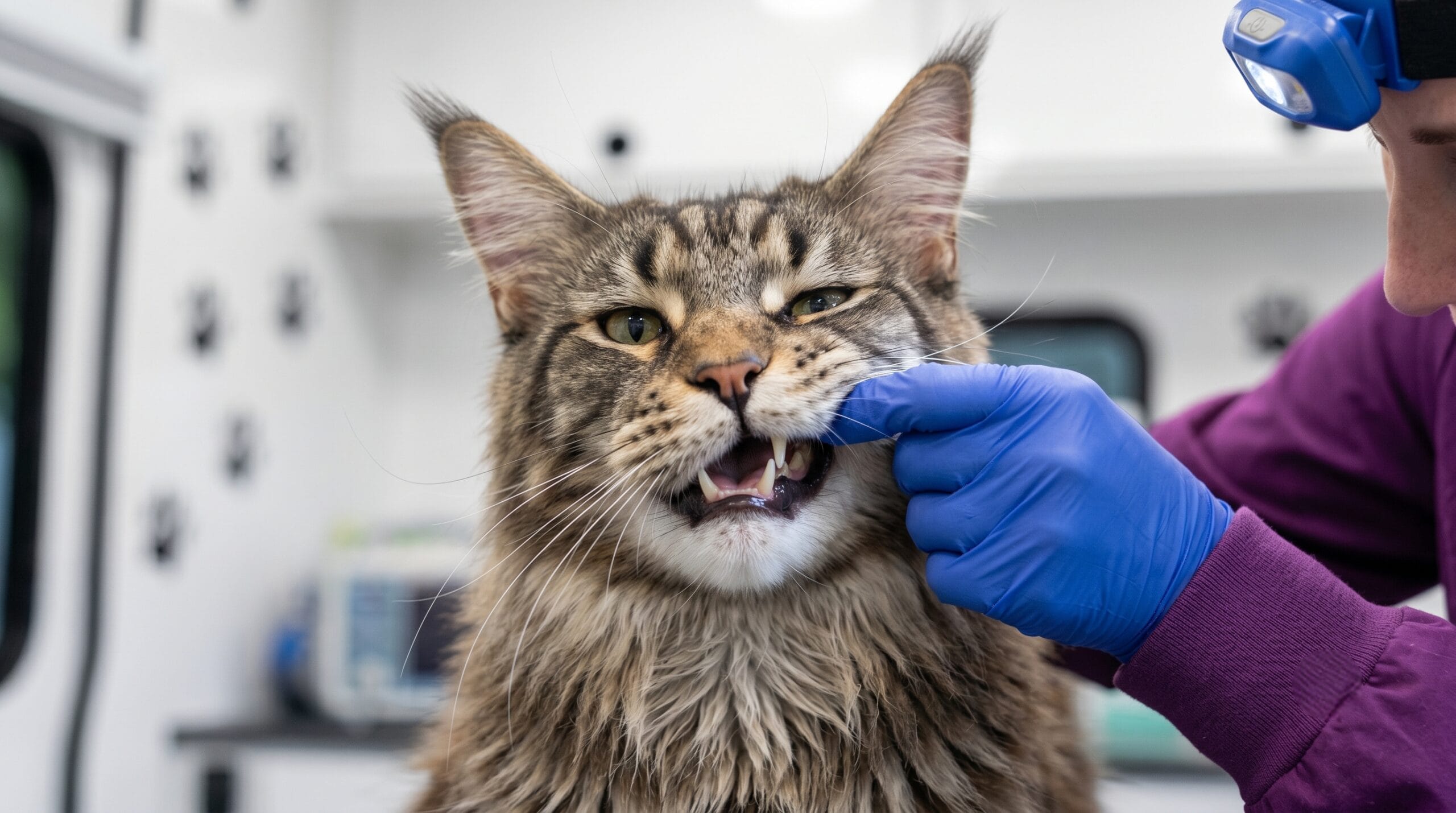
Anesthesia-free cat dental cleaning reaches the visible surfaces of the teeth and is effective at slowing tartar accumulation in cats that are good candidates for the procedure. It cannot access below the gumline, which means it does not address periodontal pockets or evaluate tooth roots.
Cats already showing signs of dental disease, discomfort, or advanced buildup need a full veterinary assessment first.
For pet families looking for a lower-cost way to maintain their cat’s mouth between full cleanings, this option is worth understanding in more detail. The anesthesia-free dental cleaning category covers how the procedure works and who it’s designed for.
See how The Magic Paws cleans cats’ teeth without anesthesia. Schedule here.
How often do cats need professional teeth cleaning?
Most veterinarians recommend professional teeth cleaning for cats once a year as a general guideline, but actual frequency depends on the individual animal. Some cats maintain healthier mouths for longer and can go two to three years between full procedures. Ohers require attention every six to twelve months.
As noted by the Cornell University College of Veterinary Medicine, the majority of cats show signs of dental disease by age three. Felines that have already developed significant tartar, gingivitis, or early-stage periodontal disease may need more frequent professional care to prevent progression.
Breed also matters: flat-faced cats (brachycephalic breeds like Persians) are more prone to crowding and misalignment that accelerates plaque buildup. For information on how oral health changes across life stages, the cat dental health section covers the topic by age group and risk factor.
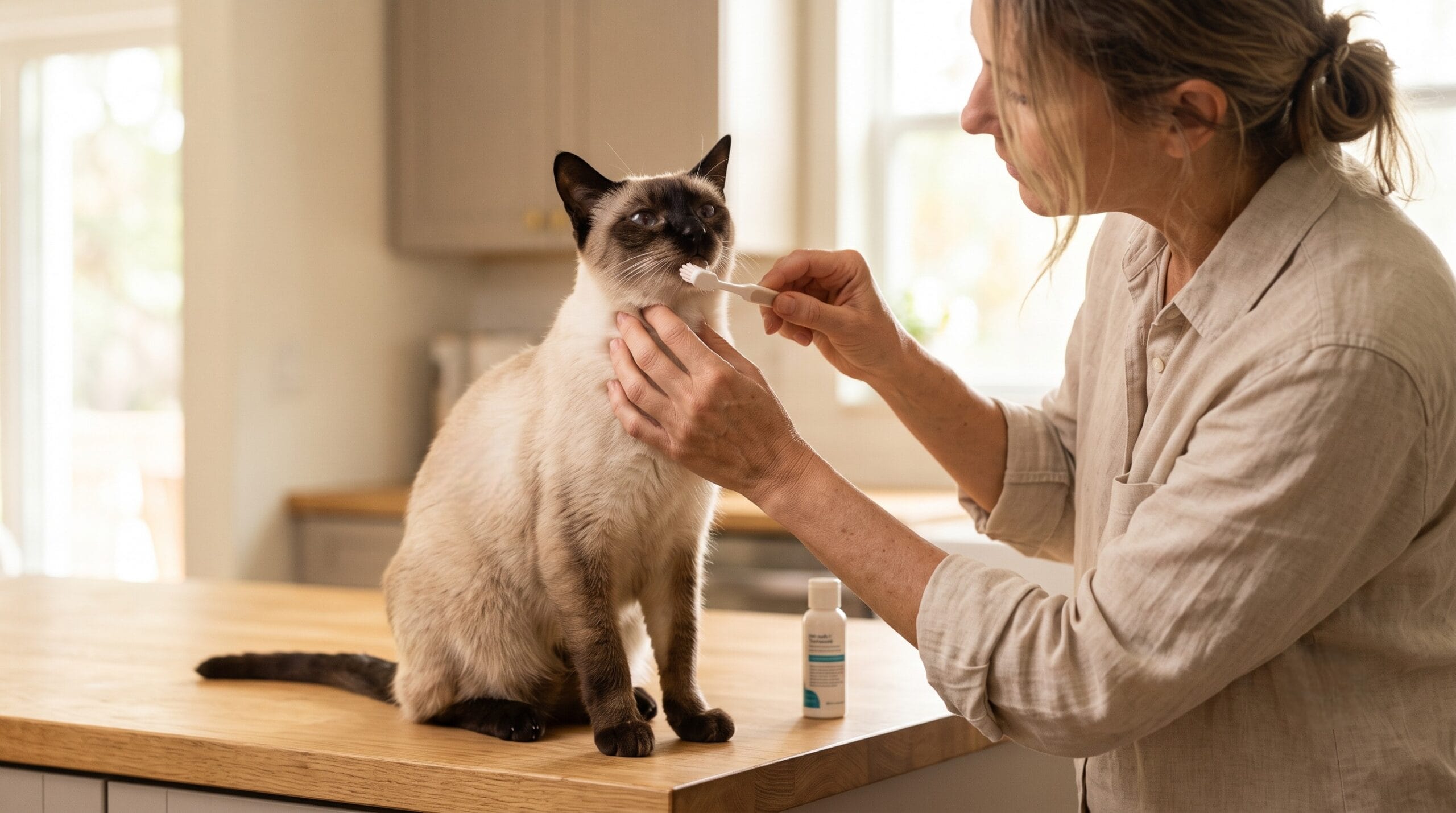
Home brushing helps slow tartar accumulation between appointments, but it doesn’t replace professional scaling. The question of how often cats need dental cleanings depends on factors your veterinarian can assess during a routine exam.
Is cat teeth cleaning worth the cost?
Yes, and the math is relatively straightforward. A routine feline dental cleaning at $300 to $500 costs significantly less than treating the complications that develop when dental disease is left unmanaged.
Advanced periodontal disease in cats can require multiple surgical extractions, systemic antibiotics, and follow-up care that collectively reaches $1,500 or more. In cats with compromised immunity or existing health conditions, untreated oral infections can contribute to problems affecting the heart, kidneys, and liver.
There’s also a quality-of-life dimension that doesn’t show up on a price comparison. Felines with painful mouths eat differently, groom less, and are often more withdrawn.
Those changes develop gradually enough that many households don’t recognize them as signs of dental discomfort until a cleaning reveals the extent of the problem. Learning to recognize the signs of dental disease in cats early makes it easier to act before the condition becomes difficult to reverse.
Cat dental prophylaxis done at the right intervals is one of the more cost-effective investments in long-term feline health, particularly when combined with basic home care.
Ready to take care of your cat’s smile?
If your cat hasn’t had a professional dental cleaning recently, or if you’re looking for a lower-stress way to keep up with oral hygiene between full veterinary procedures. The Magic Paws offers anesthesia-free cat dental cleaning in South Florida and Central Florida/Orlando.
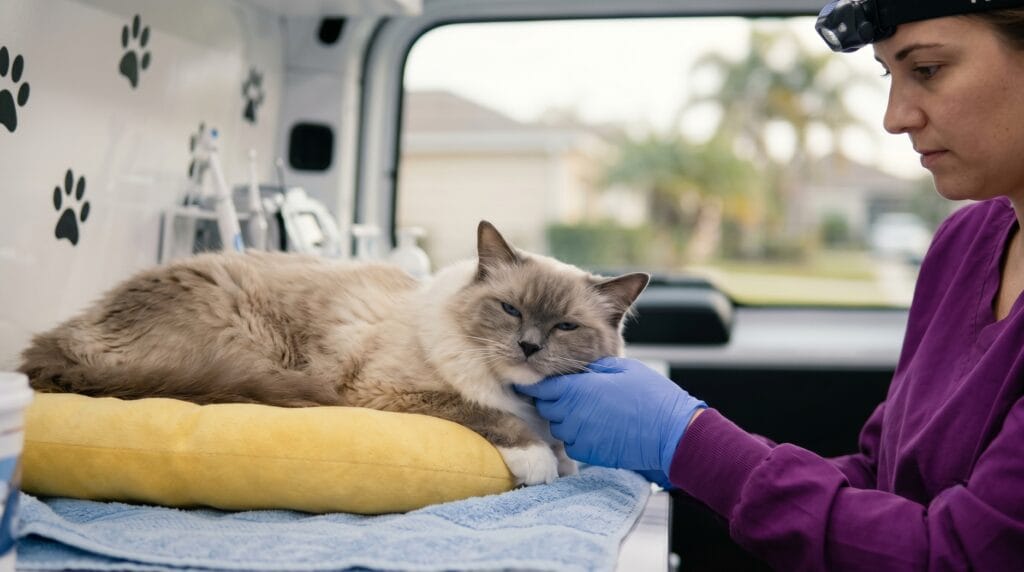
The service is performed by Illana, a licensed dentist, inside a fully equipped mobile unit that comes to you.
Every appointment follows the Senses Therapy protocol: aromatherapy, music therapy, chromotherapy, and massage work together to keep your cat calm throughout the process. No sedation, no clinical waiting room, no post-procedure disorientation.
For cats that are good candidates for preventive care at this level, it’s an option worth considering before tartar accumulation becomes a veterinary problem.
Ready to book a stress-free dental cleaning for your cat? Schedule your appointment here.
FAQ about how much cat teeth cleaning cost
How much does cat teeth cleaning cost without anesthesia?
Anesthesia-free cat teeth cleaning typically costs between $150 and $350, depending on the provider and region. This approach covers visible surface scaling and polishing but does not include subgingival access, dental X-rays, or any diagnostic evaluation. It is a preventive option, not a substitute for a full veterinary dental procedure when disease is already present.
What is included in a cat dental cleaning?
A standard cat dental cleaning under anesthesia includes a pre-anesthetic physical exam, general anesthesia and monitoring, scaling to remove plaque and tartar above and below the gumline, and polishing. Dental radiographs, bloodwork, and tooth extractions are generally not included in the base fee. Ask the clinic for a written estimate that separates the base procedure from any add-on services.
Does cat teeth cleaning require anesthesia?
A comprehensive veterinary dental procedure (COHAT) requires general anesthesia to allow safe access to all tooth surfaces, evaluate gum health, and take full-mouth radiographs. Anesthesia-free cleaning is a separate option that works on the visible surfaces only. It is appropriate for cats without active disease who are being maintained between full veterinary cleanings.
How often should I get my cat’s teeth cleaned?
Once a year is the standard recommendation for most cats. Individual frequency depends on the cat’s oral health, age, breed, and home care routine. Flat-faced breeds and cats with a history of dental disease often need more frequent professional attention.
What happens if I don’t clean my cat’s teeth?
Plaque accumulates on the tooth surface and mineralizes into tartar within days. Tartar buildup leads to gingivitis, and untreated gingivitis progresses to periodontal disease, which causes bone loss, pain, and eventually tooth loss. Advanced disease can allow bacteria to enter the bloodstream, affecting the kidneys, heart, and liver. Recognizing the early signs of dental disease in cats makes it easier to act before the condition becomes difficult to reverse.
Can I brush my cat’s teeth at home instead of professional cleaning?
Home brushing reduces plaque before it mineralizes into tartar, and it is a valuable part of cat oral hygiene at home. However, it cannot remove tartar that has already formed, and it cannot reach below the gumline where periodontal disease develops. Brushing at home extends the interval between professional cleanings; it does not eliminate the need for them.
Does pet insurance cover cat teeth cleaning?
Most basic veterinary insurance plans do not cover routine dental prophylaxis. Wellness add-on plans may include an annual benefit for preventive dental care. Coverage varies widely by insurer and policy tier. Review your specific policy before assuming the procedure is covered.
How long does a cat teeth cleaning take?
A full feline dental cleaning under anesthesia takes between 45 minutes and 2 hours, depending on the degree of disease and whether any extractions are performed. Anesthesia-free dental cleaning is typically shorter, often completed in around 45 minutes, and requires no recovery time.
At what age should cats start getting their teeth cleaned?
Most veterinarians recommend the first professional cleaning around 1 to 2 years of age, once the adult teeth have fully developed. Starting earlier with home brushing and routine oral exams helps establish a baseline. Individual needs vary, and your veterinarian can assess at each annual visit whether a cleaning is warranted.
Is anesthesia-free cat teeth cleaning safe?
Yes, for cats that are appropriate candidates. A cooperative cat with good baseline oral health and no active disease tolerates the procedure well. Cats with advanced tartar, visible gum inflammation, or signs of oral discomfort should be evaluated by a veterinarian before opting for any type of cleaning, to determine whether a full veterinary procedure is needed first.