
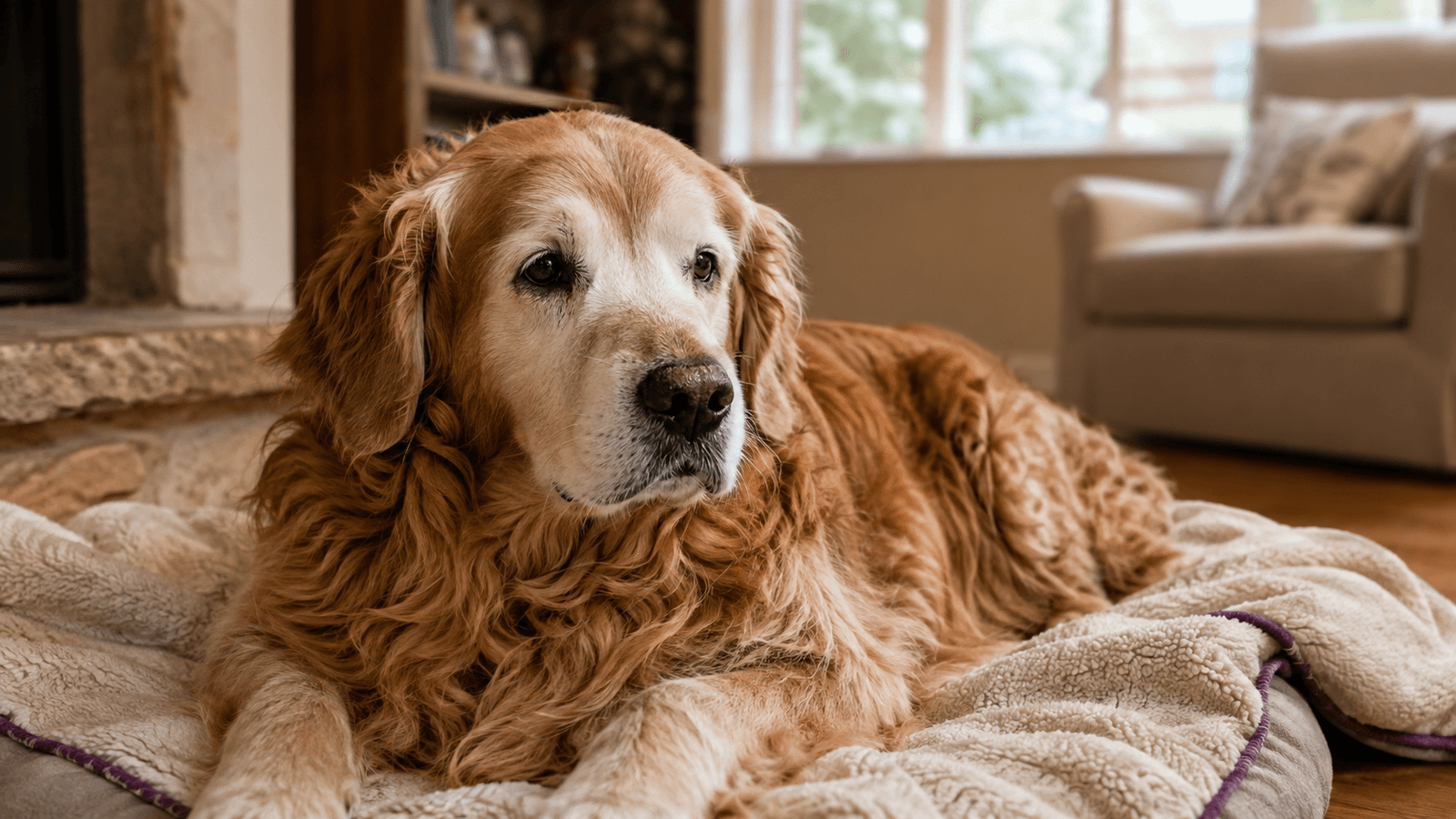
Anesthesia for old dogs is one of the most common worries pet owners bring up once a dog crosses into its senior years. The word alone tends to trigger images of complications, long recovery, or a body that simply can’t handle the procedure the way it once could.
That fear is understandable. Most owners have heard a story, somewhere, about an older dog who didn’t wake up well from a routine procedure. What rarely gets explained is why that happened, and whether age itself was actually the reason.
This article breaks down what genuinely determines anesthesia risk in a senior dog, separating the parts that matter from the assumptions that don’t. It also looks at why the anesthesia question comes up so often around dental cleaning specifically, and where an anesthesia-free approach fits into the picture.
None of this replaces a conversation with a veterinarian. It does, however, give owners a clearer starting point before that conversation happens, so questions can be sharper and decisions less driven by fear alone.
Is anesthesia actually risky for old dogs?
Age alone does not determine how risky anesthesia is for a dog. What matters is the condition of the organs that process and clear anesthesia drugs from the body, along with how well a dog’s heart and lungs handle the physical stress of the procedure. A dog dental cleaning that’s safe for one senior dog may still carry real caution for another dog of the same age.
Two twelve-year-old dogs can have completely different anesthesia risk profiles. One may have strong kidney function and a healthy heart, while the other has early kidney changes that slow down how quickly drugs clear the bloodstream. Chronological age tells a veterinarian very little on its own.
This is why responsible veterinary practice moved away from strict age cutoffs years ago. The decision now rests on what pre-anesthetic screening reveals about a specific dog, not on a birthday.
What determines anesthesia risk more than age?
Kidney function, cardiac function, and how long recovery takes matter far more than a dog’s age when it comes to anesthesia risk. These three factors shape how the body handles the drugs used during sedation and how smoothly a dog comes back from the procedure afterward.
According to research published by the National Center for Biotechnology Information, age-related decline in organ reserve, rather than age itself, drives most of the added anesthesia risk seen in older animals. That distinction reshapes how veterinarians approach senior patients.
Prolonged recovery is the other piece owners tend to overlook. Even when a senior dog handles anesthesia drugs well, the body may take longer to fully clear them and regain normal alertness, which is why closer monitoring afterward becomes part of the plan. Understanding anesthesia-free peace of mind as an option starts with understanding exactly what these risk factors mean.
Kidney and heart function change how drugs are processed
The kidneys filter anesthesia drugs out of the bloodstream, and the heart circulates those drugs to every organ during the procedure. When either system slows down with age, drugs stay active in the body longer than expected.
A dog with mild kidney changes might process a standard dose more slowly, which can extend both the depth and duration of sedation. A veterinarian who knows this in advance can adjust the drug choice or dosage accordingly, which is exactly what pre-anesthetic screening is designed to catch.
Cardiac function plays a similar role. A heart that pumps less efficiently affects how quickly drugs circulate and how the body responds to the physical stress of the procedure, including changes in blood pressure.
Recovery takes longer and needs closer monitoring
The period right after anesthesia is often more critical for a senior dog than the procedure itself. Older bodies typically need more time to metabolize remaining drugs and return to normal temperature, breathing, and alertness.
This is why veterinary teams tend to keep senior dogs under closer observation during recovery, checking vital signs more frequently than they would for a younger, healthier patient. The goal is catching any slow return to normal function early, rather than assuming everything is fine simply because the procedure went smoothly.
What does pre-anesthetic screening check for senior dogs?
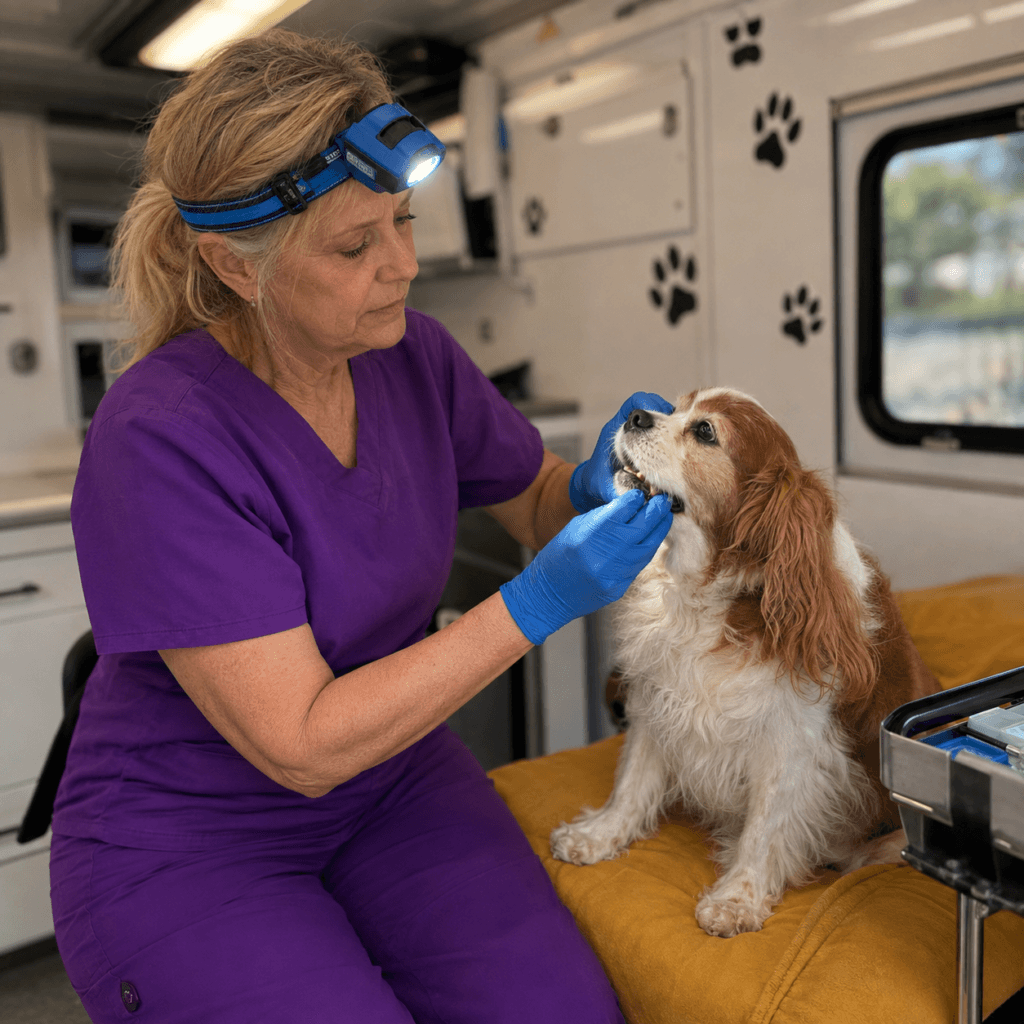
Pre-anesthetic screening checks bloodwork, a physical exam, and sometimes additional cardiac or renal testing to confirm a senior dog can safely handle anesthesia. This step is what actually replaces the old habit of applying a fixed age limit.
Standard screening usually includes a complete blood count and a chemistry panel, both of which reveal how well the kidneys and liver are functioning before any drug enters the picture. A physical exam adds information about heart sounds, lung function, and overall body condition that bloodwork alone can’t capture.
For dogs who show any sign of concern during this initial check, a veterinarian typically recommends going further before making a final call. Reviewing how to prepare your dog for dental cleaning ahead of time also helps owners understand what this evaluation stage actually involves.
Learn how the Senses Therapy protocol keeps senior dogs calm without sedation: see pricing and availability.
Bloodwork and physical exam findings
Bloodwork gives a veterinarian a direct look at kidney values, liver enzymes, and red or white blood cell counts, all of which point toward how a dog’s body is likely to respond to anesthesia drugs. Abnormal values don’t automatically rule out the procedure, but they do change the plan.
A physical exam adds context that lab values alone can miss. Listening to the heart and lungs, checking gum color, and assessing hydration status all feed into the same decision about whether a dog is a safe candidate right now.
Additional screening for dogs with existing conditions
Dogs with a known heart murmur, prior kidney disease, or other chronic conditions often need additional testing beyond the standard panel. This might include an echocardiogram, a urinalysis, or blood pressure monitoring, depending on what the initial screening flags.
The decision to move forward always stays individual. A senior dog with a stable, well-managed condition may still qualify for anesthesia, while a younger dog with an undiagnosed problem might not, which is exactly why age was never the right measuring stick to begin with.
Why does dental cleaning bring up the anesthesia question so often?
Dental cleaning brings up the anesthesia question constantly because periodontal disease and tartar buildup tend to worsen significantly as dogs get older, pushing many owners toward a procedure that traditionally required sedation. Few other routine care needs collide with anesthesia concerns this directly.
By the time a dog reaches its senior years, years of plaque accumulation have often hardened into tartar below the gumline, where a toothbrush can no longer reach it. A ten-year-old Golden Retriever who never had a professional cleaning, for example, may already show loose teeth or receding gums by the time an owner notices the smell.
This buildup doesn’t stay contained to the mouth. Bacteria trapped beneath the gumline can enter the bloodstream and place additional strain on organs that are already working harder simply because of age, which loops the dental conversation directly back into the anesthesia conversation. Owners can find more detail on this connection through how many dogs die from teeth cleaning, a question that comes up often in exactly this context.
How does anesthesia-free cleaning reduce that risk earlier?
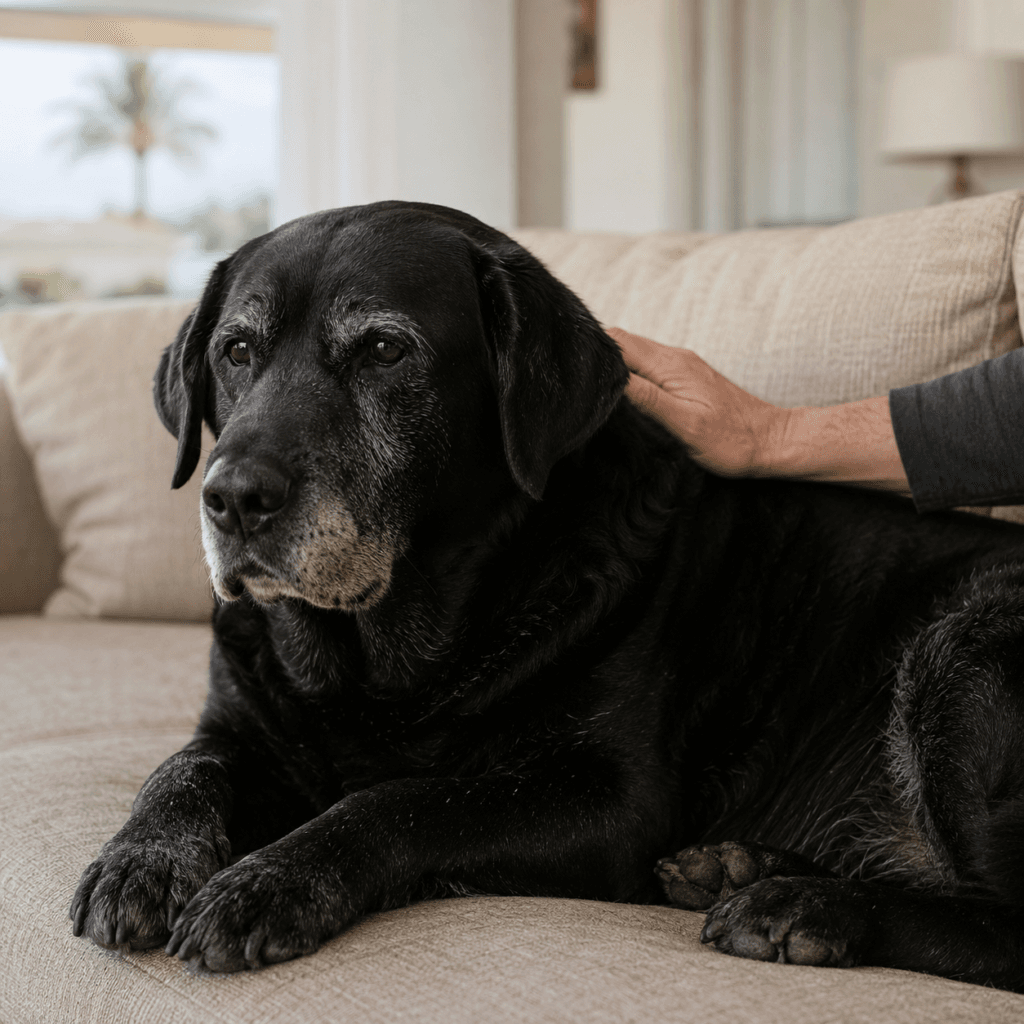
Anesthesia-free cleaning reduces future anesthesia risk by keeping tartar and periodontal disease from progressing to the point where a sedated procedure becomes necessary in the first place. This preventive angle is where senior dog care and anesthesia safety genuinely intersect.
Regular sedation-free cleaning, like the sessions performed by The Magic Paws, addresses surface plaque and light to moderate tartar before it hardens into the kind of buildup that eventually requires anesthesia to remove. For a senior dog with otherwise good organ function, this can mean fewer trips to the operating table over a lifetime, not zero anesthesia forever.
The comparison below outlines where each option fits, since neither one replaces the other in every case.
| Situation | Anesthesia-free cleaning | Cleaning under anesthesia |
| Light to moderate tartar, healthy gums | Appropriate option | Not typically necessary |
| Advanced periodontal disease or loose teeth | Not appropriate alone | Recommended, veterinarian involved |
| Need for dental x-rays or extractions | Cannot be performed | Required |
| Dog with elevated anesthesia risk | Preferred maintenance route | Reserved for urgent cases only |
When anesthesia-free cleaning is the right fit
A senior dog with stable organ function, light to moderate tartar, and no loose teeth or active gum disease is typically a strong candidate for anesthesia-free cleaning. This describes a large share of senior dogs who simply haven’t had consistent dental care up to this point.
The Senses Therapy approach specifically targets this group, offering routine maintenance that keeps plaque from progressing further without exposing an aging body to sedation drugs it doesn’t need yet.
When a veterinary referral is still the safer choice
Anesthesia-free cleaning is never positioned as a substitute for a veterinarian, and some cases make that especially clear. A dog with advanced periodontal disease, visibly loose teeth, or signs of infection needs an in-clinic procedure that includes dental x-rays and, when necessary, extractions.
In these cases, a trained technician stops the session and refers the owner back to their veterinarian rather than continuing. That referral step exists precisely because prevention and treatment are two different jobs, and only one of them belongs outside a clinical setting.
What happens during a Senses Therapy session for a senior dog?
A Senses Therapy session combines aromatherapy, music therapy, chromotherapy, and massage, in that exact order, to help a senior dog stay calm throughout a cleaning without any sedation drugs involved. No other named protocol pairs a structured wellness routine with this level of attention to senior-specific risk.
The technique was built around a simple idea: an anxious dog is a harder dog to clean safely, and stress itself can raise heart rate and blood pressure in ways that matter more for an older body. Addressing that anxiety directly, rather than masking it with sedation, keeps the entire session gentler from start to finish. Owners can review the full mobile dog dentist format to understand how this fits into a typical appointment.
The Senses Therapy protocol during a senior cleaning
Aromatherapy comes first, using calming scents to ease a dog into the environment before any physical contact begins. This early step matters more for senior dogs, who often carry more general anxiety around new sensations or unfamiliar handling than younger, more adaptable dogs do.
Music therapy follows, using soft, steady sound to maintain that calm state throughout the appointment. For a senior dog with any degree of hearing change, the goal is consistency rather than volume, keeping the auditory environment predictable rather than jarring.
Chromotherapy adds a visual layer, using specific calming light tones around the workspace to reduce stress signals that a dog might otherwise pick up from its surroundings. This step works alongside the first two rather than replacing either one.
Massage at relaxation points closes the sequence, easing physical tension that has built up in the dog’s body throughout the appointment. For senior dogs, who often carry more muscle stiffness or joint discomfort than younger dogs, this final step also supports physical comfort, not just calm behavior.
Is your senior dog a good candidate for anesthesia-free cleaning?
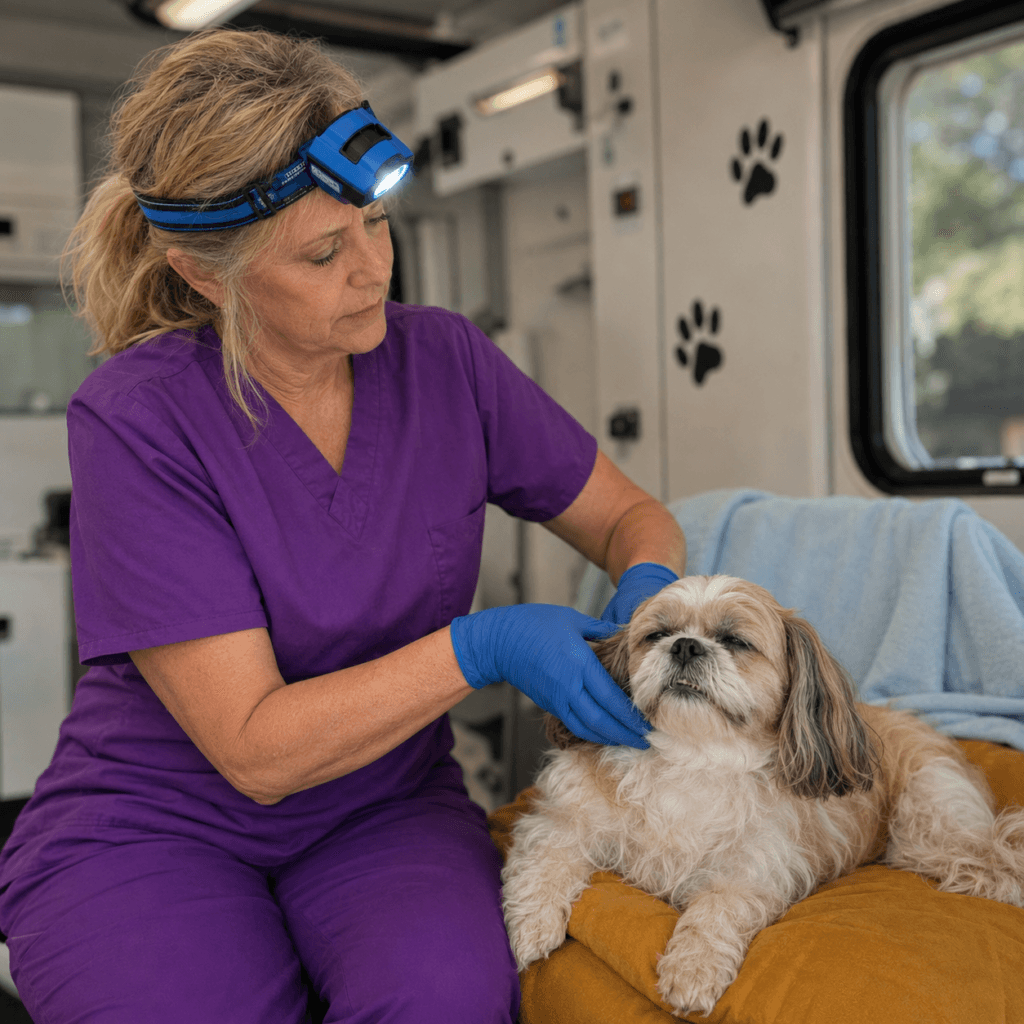
The only reliable way to know if a senior dog qualifies for anesthesia-free cleaning is through an individual evaluation, since neither age nor a general sense of doing fine answers that question on its own. This same principle applies to the anesthesia decision as a whole.
A trained technician reviews a dog’s dental condition, health history, and current comfort level before any cleaning begins, following the same logic that a veterinarian applies before recommending anesthesia. Some senior dogs qualify easily. Others need a referral first, and that outcome is never treated as a failure, simply as the right next step for that particular dog.
What stays consistent across every case is the refusal to guess based on age alone. Whether the question is anesthesia for a dental procedure under sedation or eligibility for a sedation-free cleaning, the answer always comes from looking at the dog in front of the technician or veterinarian, not the number on a birth certificate.
See if your senior dog qualifies for anesthesia-free cleaning today. Book a mobile dental cleaning built around your dog’s comfort.
Frequently asked questions about anesthesia for senior dogs
Is anesthesia safe for a 10 year old dog?
Safety depends on the dog’s overall health rather than the number ten itself. A ten-year-old dog with strong kidney and heart function, confirmed through pre-anesthetic screening, can be a safe anesthesia candidate, according to findings published by the National Center for Biotechnology Information on organ reserve and aging.
What age is too old for anesthesia in dogs?
There is no universal age cutoff for anesthesia in dogs. Veterinarians evaluate each senior dog individually, using bloodwork and a physical exam to judge organ function rather than relying on a fixed number.
Can senior dogs get teeth cleaned without anesthesia?
Yes, many senior dogs with light to moderate tartar and no advanced periodontal disease qualify for anesthesia-free cleaning. A technician evaluates each dog first to confirm it’s an appropriate fit before the session begins.
What tests does my dog need before anesthesia?
Most senior dogs need a complete blood count and a chemistry panel to check kidney and liver values, along with a physical exam covering heart and lung function. Dogs with existing conditions sometimes need additional cardiac or renal testing on top of that baseline.
What are the signs my senior dog can’t handle anesthesia?
Signs of elevated risk include abnormal bloodwork values, a heart murmur, labored breathing, or a known history of kidney or cardiac disease. Any of these findings typically prompts additional testing before a final decision is made.
Is anesthesia-free dental cleaning as effective as anesthesia?
Anesthesia-free cleaning is effective for prevention and maintenance in dogs with light to moderate tartar, but it is not a substitute for cleaning under anesthesia in cases involving advanced periodontal disease, loose teeth, or the need for dental x-rays.
How often should a senior dog get a dental checkup?
Most senior dogs benefit from a dental checkup at least twice a year, since periodontal disease tends to progress faster in older dogs than in younger ones. A veterinarian may recommend a different frequency based on a specific dog’s dental history.
What happens if my dog isn’t a candidate for anesthesia-free cleaning?
A technician refers the owner back to their veterinarian for an in-clinic evaluation, which may involve dental x-rays, extractions, or a cleaning performed under anesthesia. This referral step keeps the dog’s safety ahead of completing the session.
Does anesthesia-free cleaning use sedation of any kind?
No, anesthesia-free cleaning uses no sedation of any kind. Instead, it relies on calming techniques such as the Senses Therapy protocol to keep the dog relaxed and cooperative throughout the session.
How do I book an anesthesia-free cleaning for my senior dog?
Booking starts with a quick eligibility check based on your dog’s dental condition and health history, which you can begin anytime through The Magic Paws pricing and booking page.
