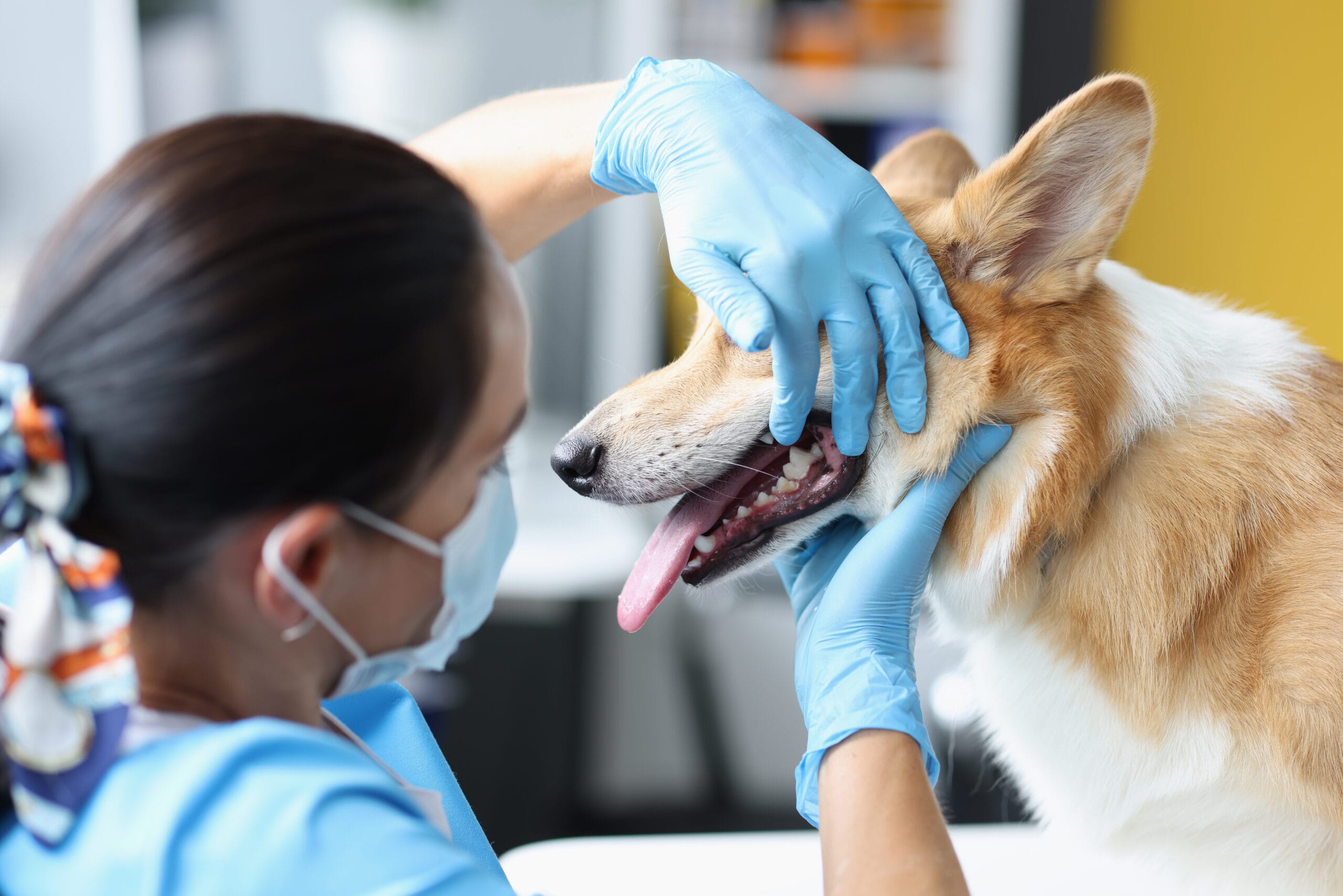
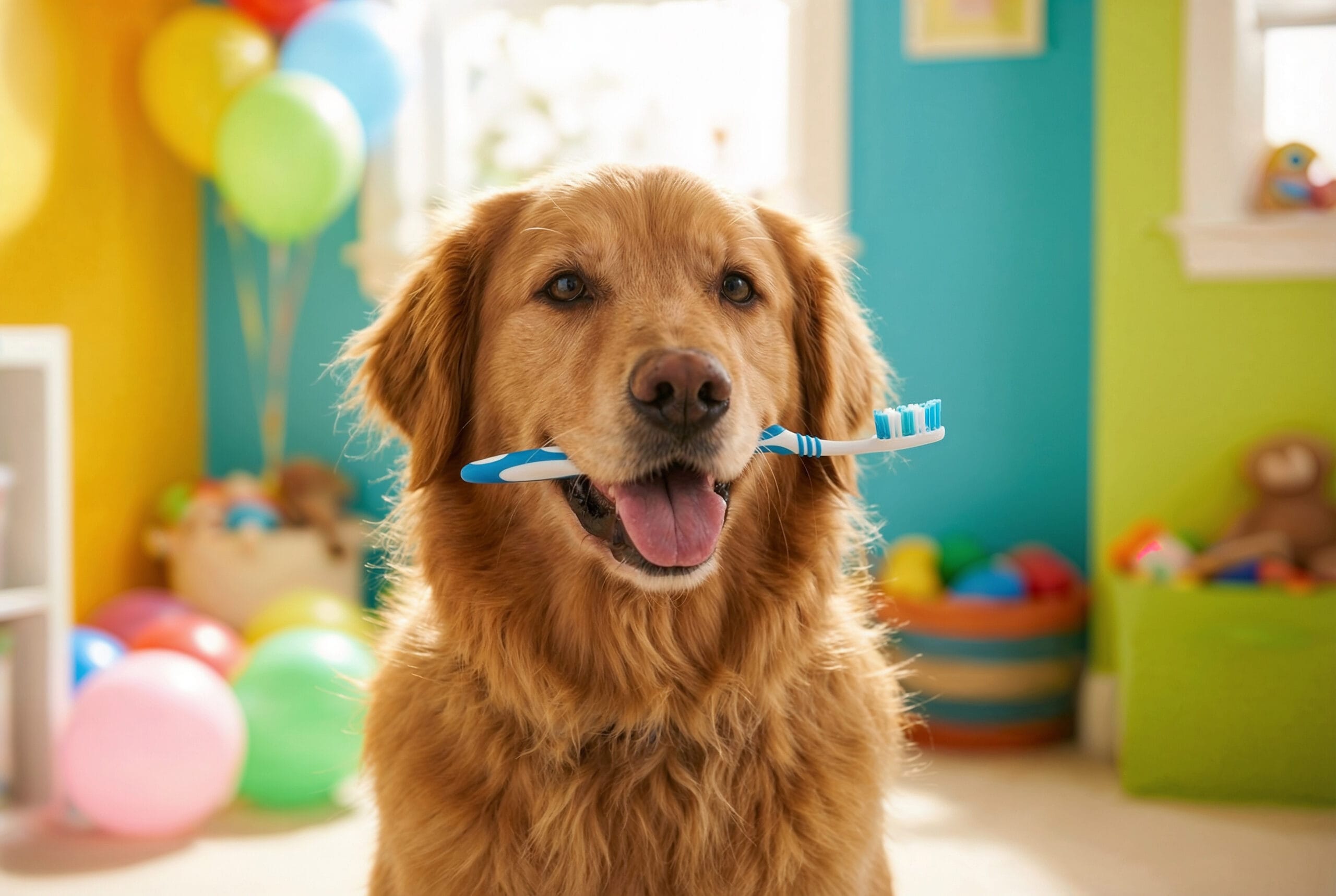
Turning a daily wrestling match into a bonding moment starts by ditching the force and leading with flavor. Many loving owners throw in the towel too early, unaware that making Toothbrushing a Fun Routine for Your Pet relies less on perfect technique and more on building trust. Unlocking the secret to a cooperative companion transforms preventative home care from a chore into a treat they actually look forward to.
Index:
- Master the Art: How to Make Toothbrushing a Fun Routine for Your Pet
- Vital Distinction: Preventative vs. Curative Care
- Scheduling Your Professional Cleaning? Key Reminders
- Conclusion: A Team Effort for Health
Text:
We often start with the best intentions, buying the brush and the paste, only to have them gather dust in a drawer after one too many wrestling matches. It is completely normal to feel defeated when your best friend clamps their jaw shut or hides under the bed, but the problem usually isn’t the act itself—it is the approach.
Forcing a foreign object into their mouth triggers natural defense instincts, turning a moment of care into a battle of wills.
By shifting your strategy from a clinical chore to a sensory game, you unlock a cooperative partner rather than a reluctant participant. Applying the gentle, trust-based principles we use in our mobile clinic—where patience is key —can transform this daily struggle.
Learning how to make Toothbrushing a Fun Routine for Your Pet empowers you to extend that professional sparkle between visits, turning dread into a rewarding ritual that actually strengthens your bond.
Master the Art: How to Make Toothbrushing a Fun Routine for Your Pet
We have all stood in the bathroom doorway, toothbrush in hand, wondering if the ensuing struggle is really worth the stress. It is easy to feel discouraged when your four-legged companion views oral care as a punishment rather than a pampering session.
The secret to success lies not in your technique or the brand of brush you use, but in flipping the script on their emotional association with the process. Instead of a chore that happens to them, it needs to become a rewarding game they play with you.
Creating this shift requires patience and a generous helping of positive reinforcement. You are essentially training them to love the brush just as much as they love their leash or their dinner bowl. By breaking the process down into tiny, rewarding steps, you remove the fear factor entirely.
This is the cornerstone of making Toothbrushing a Fun Routine for Your Pet, turning a moment of potential conflict into a daily connection. Think of it like teaching a new trick; we don’t expect them to master a complicated command on day one, and we shouldn’t expect a full two-minute brushing session immediately either.
Consistency and a pocketful of high-value treats will get you much further than force ever could.
1. Flavor is Everything (The “Treat” Factor)
We humans naturally crave that minty-fresh feeling after brushing, but most dogs and cats actually find strong mint or foaming agents off-putting. Trying to force a flavor they detest is the fast track to turning a hygiene session into a struggle.
The most effective hack is to swap your human tastes for theirs, choosing an enzymatic pet toothpaste flavored like poultry, beef, or peanut butter.
When the paste tastes like a high-value reward, the toothbrush stops being a scary instrument and transforms into a “treat delivery system.” You want them to lick the bristles and think they are getting a snack, not a scrubbing.
This simple switch is often the breakthrough needed to make Toothbrushing a Fun Routine for Your Pet, as they begin to associate the sight of the tube with a delicious experience rather than discomfort.
Think of it like hiding medicine inside a piece of cheese; the flavor masks the chore, making them eager to participate rather than looking for the nearest exit. By letting their taste buds lead the way, you win half the battle before you even touch a tooth.
2. Borrow a Trick from Our “Senses Therapy”
As we learned in our mobile clinic, the environment dictates the behavior. If you approach your companion in a brightly lit bathroom with a stiff posture, they instantly sense that a “procedure” is coming, and their guard goes up. You can dramatically change the outcome by adopting a simplified version of our Senses Therapy right in your living room.
Try moving the session to a comfortable spot on the rug and playing some soft, frequency-tuned music to lower the energy in the room. We utilize lavender aromatherapy to soothe nerves, and a pet-safe diffuser can work wonders to signal that this is a time for relaxation, not resistance.
Before you even show them the toothpaste, spend a few minutes offering a gentle massage around their muzzle and ears. This mimics the acupressure points we use to build trust and release tension. By setting a peaceful stage first, you are teaching them that handling their mouth is just another form of affection.
Establishing this calm atmosphere is a game-changer for making Toothbrushing a Fun Routine for Your Pet, turning a moment of anxiety into a shared pause of connection in your busy day.
3. Start Slow: The Gradual Progression
The number one reason home care fails is usually enthusiasm. We want to do a thorough job right away, so we dive right in with the brush and try to scrub every tooth on the first attempt. This is overwhelming for a pet who isn’t used to having their mouth handled.
The secret to long-term success is to think less like a dentist and more like a trainer, breaking the process down into tiny, non-threatening baby steps.
Start by letting them simply lick that delicious poultry-flavored paste off your finger for a few days. Once they look forward to that, gently slide your finger along their gum line for just a second before rewarding them. Only when they are completely comfortable with your touch should you introduce the actual brush.
This gradual progression might feel slow, but it is the only way to build lasting trust. It transforms the experience from a sudden intrusion into a predictable pattern they understand.
By respecting their pace and celebrating small wins, you effectively make Toothbrushing a Fun Routine for Your Pet, ensuring that when you finally do brush, they are leaning into the task rather than pulling away.
4. When Brushing Isn’t Enough: The Professional Gap
We applaud every owner who commits to daily care, but it is crucial to recognize that a toothbrush has physical limits. Even with a perfect daily regimen, saliva naturally contains minerals that eventually harden soft plaque into stubborn tartar—a calcified substance that no amount of bristles or scrubbing can remove.
Once this hardened layer forms, usually near the gum line, it creates a shield that protects bacteria and allows infection to infiltrate areas your brush simply cannot reach.
This is exactly why humans still need professional dental cleanings despite brushing and flossing every single day. Home care is your daily defense against soft plaque, while professional scaling is the only way to reset the clock on hard buildup.
Even if you succeed in making Toothbrushing a Fun Routine for Your Pet, it remains a maintenance tool rather than a cure-all. It works best when partnered with a professional deep clean that clears the slate, allowing your daily efforts to actually touch the enamel and keep their gums healthy.
Understanding this gap relieves the pressure to be perfect; your job is maintenance, and our job is the heavy lifting.
Vital Distinction: Preventative vs. Curative Care
We believe in total transparency regarding your companion’s health, which begins with understanding the difference between maintenance and medical treatment. Our anesthesia-free service is purely preventative, designed to maintain a healthy mouth and prevent gum disease from taking hold in the first place.
It serves the same purpose as your daily efforts to make Toothbrushing a Fun Routine for Your Pet; both are essential tools to keep bacteria at bay and avoid future complications.
However, neither brushing nor our non-sedated cleaning can cure existing periodontal disease, deep infection, or tooth decay that has already compromised the root. If a tooth is loose or an abscess has formed, that is a medical condition requiring surgery and anesthesia to resolve safely.
You would not expect a hygienist to fill a deep cavity or perform a root canal during a standard cleaning, and the same rule applies here. We act as the proactive maintenance crew, clearing away the buildup that leads to disease so you hopefully never need the heavy medical intervention of a veterinary surgeon.
Scheduling Your Professional Cleaning? Key Reminders
Building a consistent habit at home is a massive victory, but do not feel discouraged if you still see some stubborn buildup. That is exactly where we step in to support your efforts. When you are ready to book your session, you will be relieved to find that our requirements are far less demanding than a surgical procedure.
Because we work without sedation, there is no need for a long, stressful overnight fast that leaves your companion hungry and confused. We simply ask that you withhold food for just one hour before our van pulls into your driveway, ensuring their stomach is settled to prevent any nausea.
It is also helpful to keep them in their calm, familiar environment right up until we knock on your door. Since we are a mobile service, there are no cages, no lobby waiting times, and no separation anxiety to manage. We handle the deep scaling that your finger brush can’t touch, effectively hitting the reset button on their oral hygiene.
Please note that because we remove irritating tartar, some minor gum sensitivity is possible immediately after the cleaning if their gums were previously inflamed, but this typically fades quickly. Interestingly, many owners find that after this sensitivity passes, making Toothbrushing a Fun Routine for Your Pet becomes significantly easier because their mouth is finally comfortable enough to be touched again.
What can my dog eat after a dental cleaning? The anesthesia-free advantage
Conclusion: A Team Effort for Health
Transforming oral care from a battle into a bond is one of the best investments you can make in your companion’s longevity. By prioritizing flavor, creating a calm environment, and respecting their pace, you successfully make Toothbrushing a Fun Routine for Your Pet rather than a daily dread.
Remember, you do not have to do it all alone. Your daily efforts tackle the soft plaque, while our professional, anesthesia-free cleaning handles the hardened tartar that no brush can reach.
Think of us as your partners in prevention. Together—combining your loving home care with our deep, stress-free maintenance—we ensure your best friend enjoys a healthy heart and a sparkling smile for years to come.