A dental exam for pets is a professional evaluation of a dog or cat’s teeth, gums, and oral structures used to detect plaque buildup, gum disease, tooth damage, and other oral health problems before they become serious.
Many pet owners rarely think about dental exams until a visible problem appears. If a pet is still eating normally and showing no obvious discomfort, it is easy to assume their teeth are healthy.
However, dental problems often develop silently. Plaque forms naturally on teeth and can harden into tartar along the gum line without clear symptoms. In many cases, dental disease is only discovered during a professional exam.
A dental exam allows trained professionals to evaluate the mouth and identify early signs of plaque buildup, gum inflammation, tooth damage, and other oral health concerns.
Understanding how dental exams work, who performs them, and when they are needed helps pet owners make better decisions about their pet’s long-term health.
What is a pet dental exam?
A pet dental exam is a professional assessment of the animal’s oral health used to determine the condition of the teeth and gums and identify any problems that may require treatment. During the evaluation, professionals typically check for:
- Plaque and tartar buildup;
- Gum redness or swelling;
- Damaged or fractured teeth;
- Oral growths or lesions;
- Signs of pain or sensitivity.
The scope of the exam depends on the type of evaluation performed. A visual oral exam evaluates what can be seen while the pet is awake.
A veterinary dental exam under anesthesia may include radiographs, periodontal probing, and treatment when advanced disease is present.
An anesthesia-free dental exam focuses on preventive care for pets that fall within the healthy maintenance range. For a broader look at what professional dog dental care involves from end to end, this complete guide is a useful starting point.
Who can perform a pet dental exam?
Who performs a pet dental exam depends on the type of evaluation required. Licensed veterinarians are responsible for diagnostic procedures such as dental X-rays, extractions and treatment of active periodontal disease. These procedures require clinical facilities and anesthesia.
Preventive dental care and anesthesia-free cleanings for healthy, eligible pets are typically performed by trained dental hygienists or anesthesia-free dental specialists.
These professionals focus on maintenance care, plaque and tartar removal and routine monitoring of oral health. Both roles contribute to a complete dental care strategy for pets.
What is the difference between a vet dental exam and an anesthesia-free dental exam?
A veterinary dental exam is typically performed under anesthesia when a pet requires advanced diagnostics or treatment. This may include dental X-rays, periodontal probing or tooth extractions. These procedures allow veterinarians to evaluate the entire mouth, including areas below the gum line.
An anesthesia-free dental exam, on the other hand, focuses on preventive care. The pet remains awake while trained professionals examine the teeth and remove visible plaque and tartar.
For many healthy dogs and cats, anesthesia-free dental exams are a practical option for routine preventive maintenance.
Both approaches serve different needs, and an honest provider makes that distinction clear. For more detail on what anesthesia-free cleaning covers and its clinical limits, this article explains the method in full.
Ready to give your dog or cat a stress-free dental exam in South Florida? The Magic Paws comes to you. No anesthesia, no clinic, no waiting room. Book today.
Why is a dental exam so important for your pet’s health?
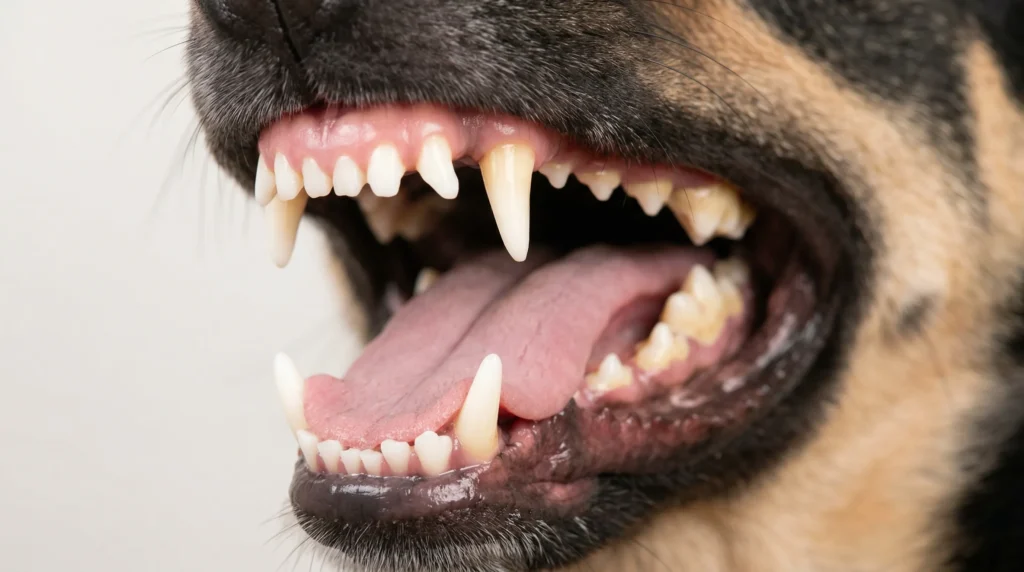
Dental disease is the most common clinical condition diagnosed in adult dogs and cats, yet it remains one of the most consistently undertreated. A dental exam is not a cosmetic service. It is a clinical tool used to identify and stop a disease process that, if left untreated, can affect far more than the mouth.
Many oral health problems begin silently. Plaque forms naturally on teeth and can harden into tartar in a relatively short period of time. Without regular dental evaluations, this buildup can irritate the gums and gradually progress into more serious dental disease.
The American Veterinary Medical Association recommends annual professional dental evaluations for pets as part of routine preventive care, with more frequent cleanings depending on breed, age, and individual risk factors. This recommendation exists because the consequences of skipping exams are cumulative and often invisible until the condition becomes advanced.
Regular exams allow professionals to identify early warning signs such as:
- Plaque accumulation;
- Gum inflammation;
- Small tooth fractures.
When these issues are detected early, they are much easier to manage and far less likely to lead to long-term complications.
Across South Florida, including Miami, Fort Lauderdale, and Boca Raton, preventive dental exams are one of the most effective ways to protect a pet’s long-term health.
What happens if you skip your pet’s dental exam?
When dental exams are skipped, plaque and tartar can accumulate over time without being noticed. This progression usually follows a predictable pattern:
- Plaque buildup begins to form on the surface of the teeth.
- Plaque hardens into tartar, which sticks firmly to the enamel.
- The gums become irritated, leading to gingivitis.
- If untreated, infection may spread and develop into periodontal disease.
According to the American Veterinary Dental Society (AVDS), approximately 80% of dogs and 70% of cats show signs of periodontal disease by the age of three. This makes dental disease one of the most common health conditions affecting pets.
How does poor oral health affect your pet’s overall health?
The connection between oral health and overall health in pets follows the same biological mechanism documented in human medicine. Bacteria from infected gum tissue can enter the bloodstream through inflamed capillaries and circulate throughout the body.
The organs most commonly affected are the heart, kidneys, and liver. When dental infections remain untreated, they create a persistent bacterial load that these organs must continuously filter. Over time, this constant exposure can contribute to organ stress and, in documented cases, structural damage.
Advanced dental disease also causes chronic pain that affects appetite, sleep quality, and behavior. These changes are often mistaken for normal aging when the underlying cause is actually a treatable oral condition.
Regular preventive dental exams help control bacterial buildup before it spreads beyond the mouth. In this sense, a dental exam is not simply a routine procedure. It is an important form of preventive medicine.
For a real example of what professional dental cleaning removes, this article shows documented before-and-after results from a full cleaning session.
What are the different types of dental exams for pets?
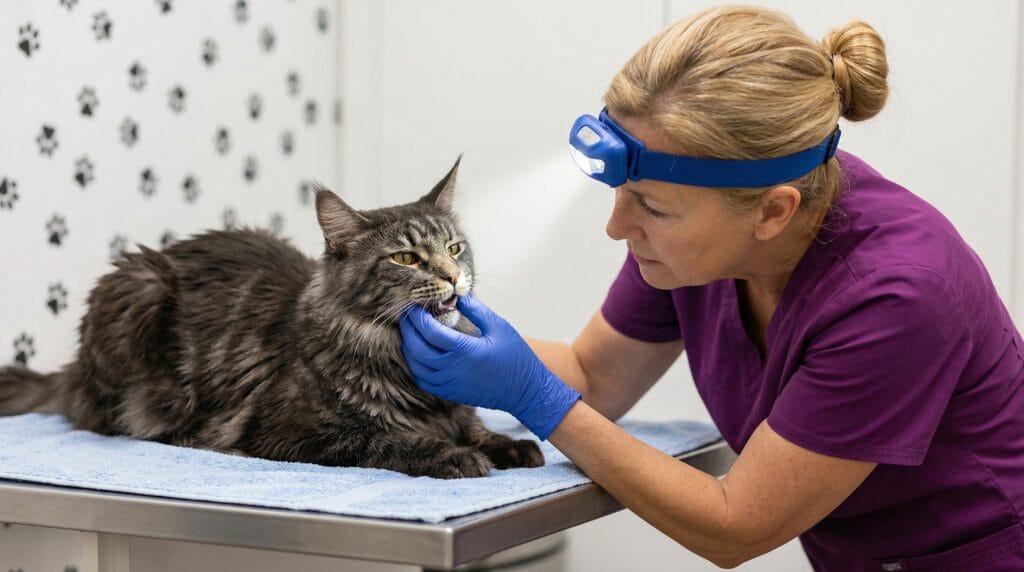
Pet dental exams can involve several types of evaluations depending on the animal’s health, age, and level of dental disease. Some assessments are simple visual checks performed while the pet is awake, while others require anesthesia and advanced diagnostic tools.
Understanding these exam types helps pet owners know what to expect and when each option may be recommended.
For many dogs and cats receiving preventive care in South Florida, the process typically begins with a visual oral exam followed by preventive cleaning. More advanced evaluations are usually reserved for situations where significant dental disease is suspected.
Visual oral exam
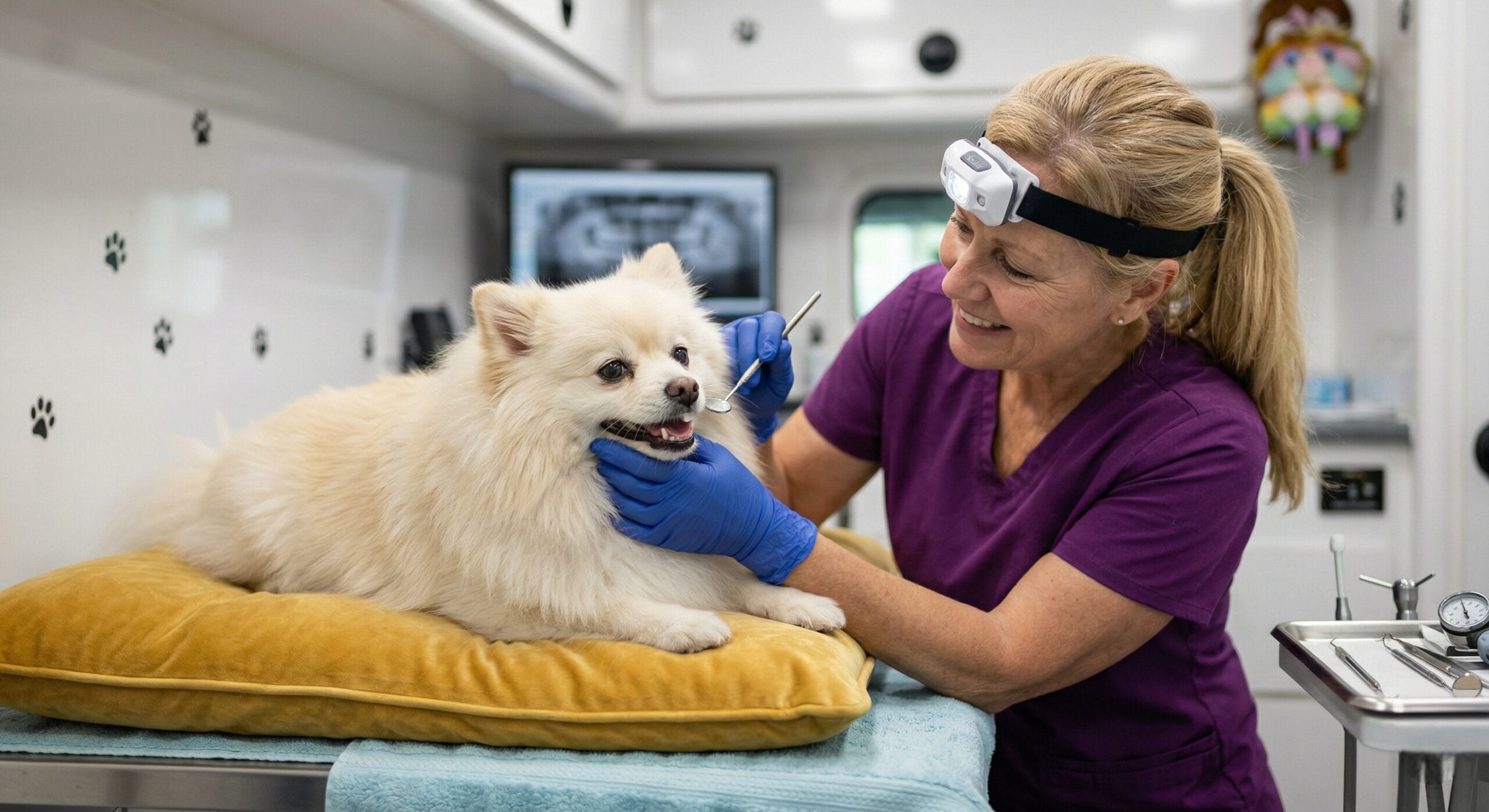
A visual oral exam is a basic inspection of the teeth, gums, tongue, and oral cavity performed while the pet is awake. It helps identify visible tartar accumulation, gum inflammation, broken or missing teeth, and surface abnormalities in the soft tissues of the mouth.
This type of exam is commonly performed by veterinarians during routine wellness checkups and by dental hygienists at the beginning of an anesthesia-free dental session.
At The Magic Paws, the visual oral exam is the first step of every appointment. The technician evaluates the pet’s oral condition and confirms whether the animal is a suitable candidate for anesthesia-free cleaning before the procedure begins.
The limitation of this exam is clear. A visual inspection cannot evaluate structures below the gum line. It is a surface-level assessment rather than a diagnostic tool for deep periodontal or bone disease.
Dental X-Rays
Dental X-rays are full-mouth radiographs performed under general anesthesia by a licensed veterinarian. These images allow professionals to detect bone loss, tooth root abscesses, hidden decay, and structural abnormalities that cannot be seen during a surface inspection.
Radiographs are typically recommended when a pet shows signs of advanced periodontal disease, when extractions are being considered, or when the veterinarian needs to evaluate the extent of disease below the gum line before treatment begins.
Because imaging requires anesthesia and specialized equipment, dental X-rays are performed in veterinary facilities and are not part of anesthesia-free preventive cleaning.
Periodontal probing
Periodontal probing uses a calibrated dental instrument to measure the depth of the gum pockets surrounding each tooth. Pocket depth indicates the degree of attachment loss and the presence of active periodontal infection beneath the visible gum line.
Accurate periodontal probing requires general anesthesia because the procedure involves precise measurements at multiple points around each tooth, and the pet must remain completely still. A limited surface-level assessment is possible during an anesthesia-free session to identify visible gum recession or obvious pocket formation, but full probing is a veterinary diagnostic procedure.
Anesthesia-Free Dental Cleaning
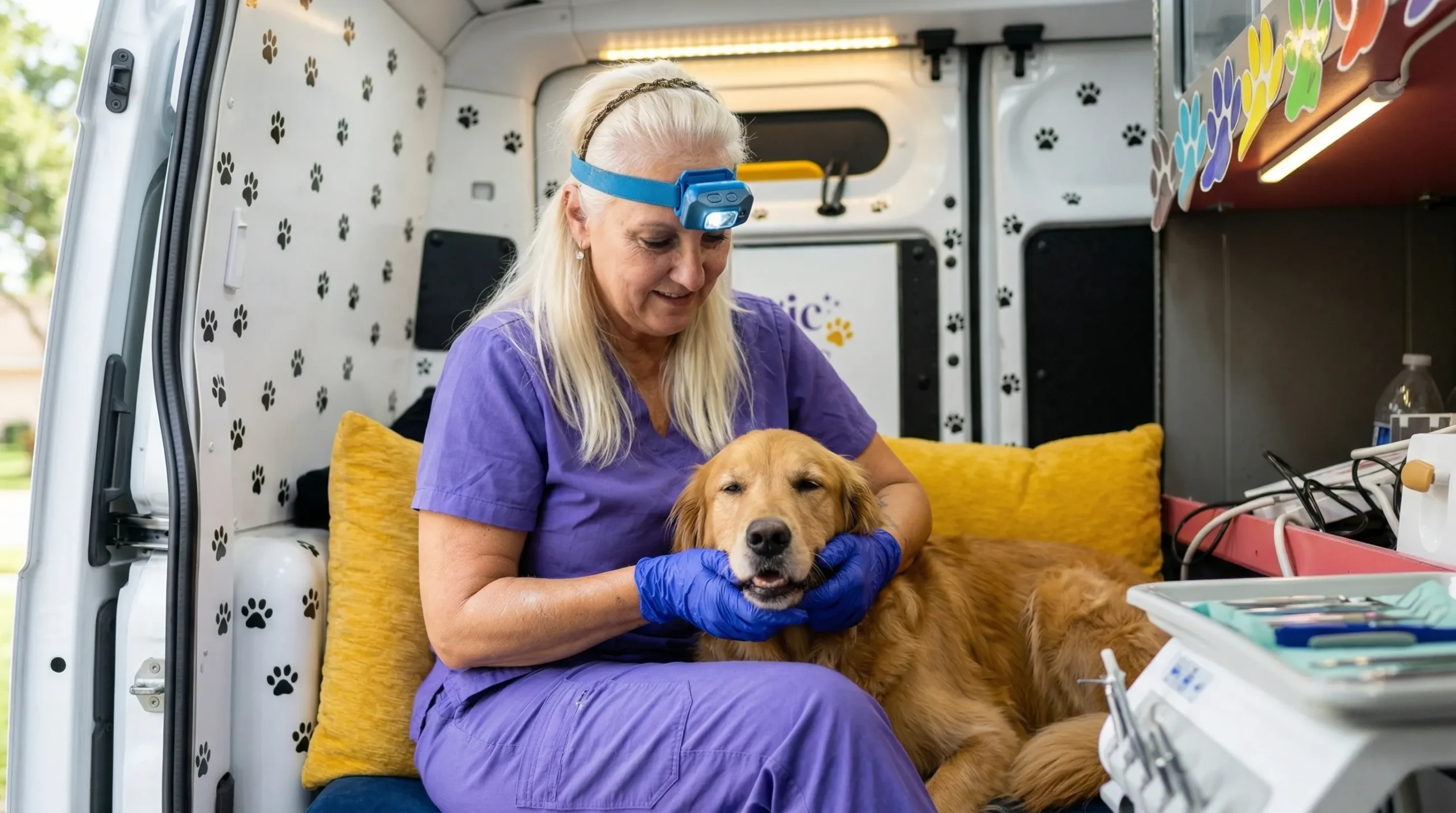
Anesthesia-free dental cleaning is The Magic Paws specialty. The procedure includes tartar removal, scaling above and just below the accessible gum line, and polishing.
Appointments are completed in 45 to 60 minutes at the pet owner’s home, without sedation and without recovery time.
This option is most appropriate for preventive maintenance in healthy, eligible dogs and cats. Each session includes:
- A visual oral exam;
- The Senses Therapy relaxation protocol;
- Professional tartar removal and polishing;
- Before-and-after photos sent by email;
For dog owners, the full-service details are available here. For cat owners in South Florida, this page explains the feline-specific service. This is the most accessible and appropriate option for preventive maintenance in healthy dogs and cats.
Full Dental Cleaning Under Anesthesia
Full dental cleaning under anesthesia is performed by a licensed veterinarian and represents the curative end of the dental care spectrum. The procedure typically includes full-mouth radiographs, comprehensive scaling above and below the gum line, polishing, periodontal probing, and extractions when necessary.
This level of treatment is required for pets with severe periodontal disease, active infection, tooth root involvement, or any condition that exceeds the scope of preventive anesthesia-free care. When these conditions are identified, The Magic Paws refers pets to a trusted veterinary specialist for appropriate treatment.
For additional context on anesthesia-related risks in canine dental procedures, this resource reviews the available evidence.
For pets that qualify for preventive maintenance, an anesthesia-free dental exam with The Magic Paws can be the first step toward maintaining long-term oral health across South Florida.
What does a pet dental cleaning include at The Magic Paws?
Understanding what happens during an appointment removes the uncertainty that keeps many pet owners from booking. The Magic Paws process is structured, transparent and designed to be as calm for the pet as it is convenient for the owner.
What happens during a traditional vet dental exam?
A traditional veterinary dental exam is usually performed at a clinic and often involves anesthesia, particularly when the veterinarian needs to evaluate the entire mouth in detail.
A typical veterinary dental procedure may include:
- pre-exam consultation and physical evaluation
- blood work to assess anesthesia safety
- anesthesia administration
- full oral examination
- dental X-rays
- periodontal probing
- scaling and polishing
- recovery monitoring after anesthesia
Because of these steps, the process can take several hours from drop-off to pick-up. These procedures are essential when pets require advanced treatment, such as tooth extractions or management of severe periodontal disease.
What happens during a Magic Paws anesthesia-free pet dental cleaning?
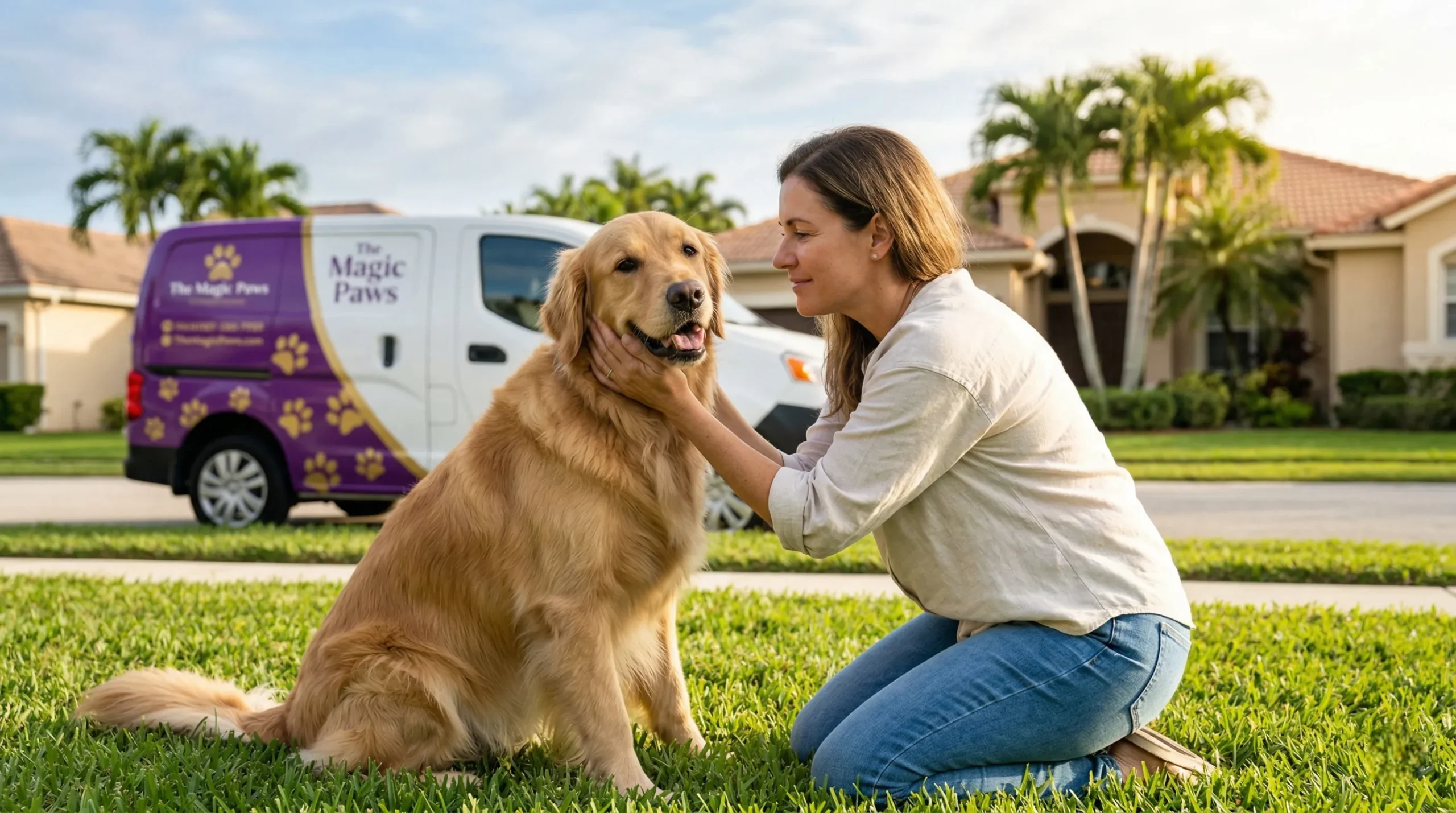
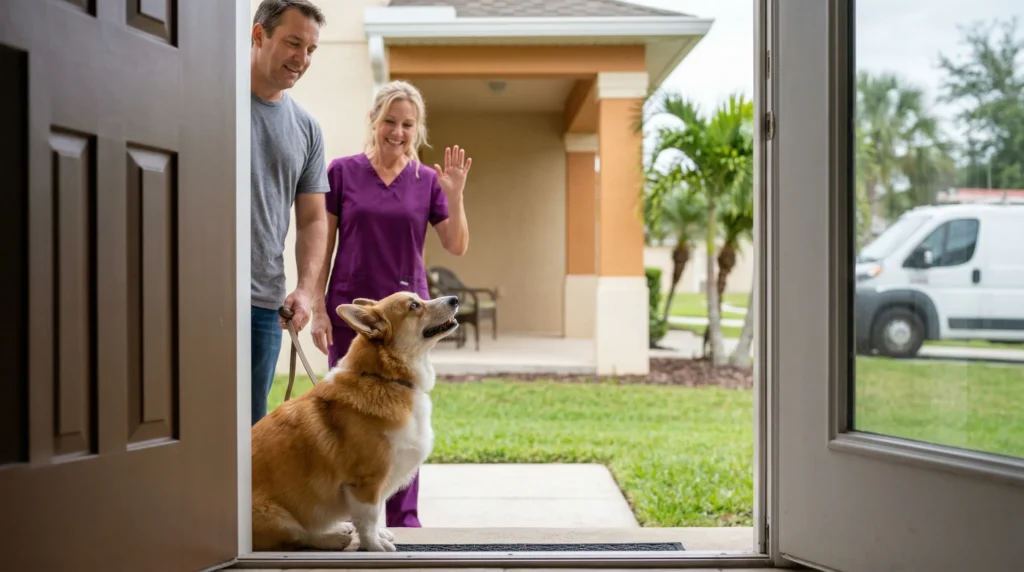
A Magic Paws appointment typically lasts 45 to 60 minutes, from the technician’s arrival to completion. The service is fully mobile, meaning pets receive preventive dental care at home with no drop-off and no recovery time required.
The process follows a structured sequence designed to keep pets comfortable while allowing the technician to perform a thorough cleaning.
Appointment scheduling
Pet owners schedule a convenient time for a mobile visit anywhere across South Florida.
Arrival and initial evaluation
A trained technician arrives at the home and performs a candidacy evaluation to confirm that the pet qualifies for anesthesia-free dental care. This includes assessing the teeth, gums, and visible tartar buildup.
Senses therapy relaxation protocol
Before the cleaning begins, the Senses Therapy relaxation protocol is applied to help the pet remain calm and cooperative throughout the session.
Professional scaling and polishing
Once the pet is relaxed, the technician removes visible plaque and tartar using professional dental instruments. The teeth are then polished to smooth the surface and help slow future plaque accumulation.
Final check and aftercare guidance
At the end of the session, the technician performs a final oral check and provides recommendations for maintaining the pet’s dental health between cleanings.
Before-and-after photos are sent to the owner by email, documenting the results of the cleaning. Dogs and cats typically return to normal activity immediately after the appointment.
What is the senses therapy and how does it help?
The Magic Paws uses a calming method called Senses Therapy, which helps dogs and cats remain relaxed during the dental exam and cleaning process.
This protocol combines several sensory techniques designed to reduce stress:
- aromatherapy using calming lavender scents;
- Music therapy to create a soothing environment;
- Chromotherapy lighting techniques;
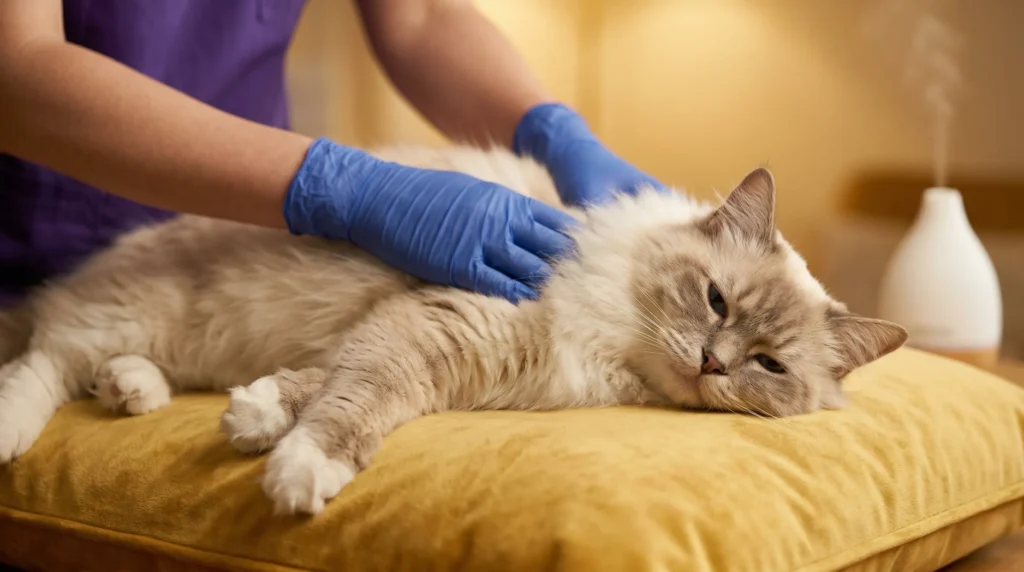
- Acupressure and gentle massage.
When pets remain calm during the exam, technicians can perform the cleaning more efficiently and access more tooth surfaces.
This calm environment is one of the reasons The Magic Paws can perform effective anesthesia-free dental exams and cleanings for both dogs and cats across South Florida.
When should you book a dental exam for your pet?
A dental exam for pets should be scheduled regularly as part of preventive health care for both dogs and cats. Many pet owners wait until visible symptoms appear before considering a dental exam. However, dental problems often develop gradually and may not become obvious until the condition is already advanced.
Preventive dental exams allow professionals to detect early signs of plaque buildup, gum irritation and other oral health issues before they become serious.
For pet owners in South Florida, scheduling routine dental exams for dogs and cats can help maintain healthy teeth and prevent more complex dental treatments later.
What are the signs your pet needs a dental exam?
Several visible or behavioral changes may indicate that a dog or cat has a dental problem and requires an exam. Common warning signs include:
- Persistent bad breath;
- Visible yellow or brown tartar on the teeth;
- Red, swollen, or bleeding gums;
- Pawing at the mouth;
- Excessive drooling;
- Reluctance to chew or eat hard food.
Even a single one of these signs can indicate that dental plaque or gum irritation is already developing.
How often should dogs and cats have a dental cleaning?
Most pets benefit from professional dental exams and cleanings approximately every six months as part of preventive dental care. Regular maintenance helps prevent plaque from turning into hardened tartar and reduces the risk of periodontal disease.
Both dogs and cats can benefit from consistent preventive dental care, especially small breeds, senior pets and brachycephalic breeds.
For pet owners who want to maintain a consistent preventive schedule, The Magic Paws offers a recurring program called the Dental Clean Club, which helps make regular dental care easier and more accessible.
Is a dental exam safe for senior pets and brachycephalic breeds?
For senior pets and brachycephalic breeds, an anesthesia-free dental exam can be a safe preventive option because the animal remains awake throughout the procedure, eliminating the risks associated with sedation and recovery.
Many pet owners are concerned about dental procedures for older animals or breeds with sensitive airways. This concern is understandable, since traditional veterinary treatments performed under general anesthesia may carry higher risk for some pets.
Senior animals metabolize anesthetic agents more slowly, and brachycephalic breeds such as Bulldogs, French Bulldogs, Pugs, and Persian cats have anatomical airway differences that require additional monitoring during sedation.
An anesthesia-free exam and cleaning avoids these concerns. Because the pet stays fully awake during the evaluation and preventive cleaning, there is no sedation risk, no airway management requirement, and no recovery period afterward.
For pet owners across South Florida, this approach offers a low-stress preventive dental care option that prioritizes safety and comfort for dogs and cats that may be more sensitive to anesthesia.
Is Your Pet’s Smile Telling You Something You’ve Been Ignoring?
A dental exam for pets is not a luxury appointment. It is the first line of defense against a disease that affects the majority of adult dogs and cats and often progresses silently until it reaches a stage that is far more difficult and expensive to treat.
The Magic Paws makes that first step simple. A trained technician comes directly to your home anywhere across Miami-Dade, Broward, and Palm Beach County.
Your pet stays in a familiar environment, kept calm through the Senses Therapy relaxation protocol. The cleaning is completed in under an hour, and before-and-after photos arrive in your inbox the same day.
Prevention is a choice. So is waiting. Every pet deserves a healthy smile, and every owner deserves the peace of mind that comes with it.
What does a dental cleaning for pets include?
A Magic Paws anesthesia-free dental cleaning includes a visual oral exam, candidacy check, Senses Therapy relaxation protocol, full hand scaling to remove tartar above and below the accessible gum line, polishing and a rinse, completed in 45 to 60 minutes at your home.
Before and after photos are sent by email after every session. Traditional veterinary dental exams also include full-mouth X-rays, periodontal probing and extractions under general anesthesia when indicated.
How often should pets have a dental exam?
Every six months for preventive maintenance. Senior pets, small breeds and brachycephalic dogs and cats may benefit from a shorter interval of three to four months depending on how quickly tartar accumulates between sessions.
Annual veterinary dental checkups are also recommended alongside the six-month preventive cleaning schedule.
Do pets need anesthesia for a dental exam?
Not for preventive maintenance. Anesthesia is required for dental X-rays, periodontal probing, extractions and curative procedures performed by a licensed veterinarian. For healthy dogs and cats within the preventive maintenance range, The Magic Paws performs a complete cleaning without sedation, using the Senses Therapy to keep pets calm and cooperative throughout.
What are the signs my pet needs a dental exam?
Bad breath, visible yellow or brown tartar on the tooth surface, red or swollen gums, difficulty chewing, pawing at the mouth, excessive drooling and reluctance to engage with hard food or toys. Even without visible symptoms, pets over age 3 should have regular dental exams. The majority of dogs and cats in that age group already have some degree of periodontal disease present.
Is a dental exam safe for senior pets?
With anesthesia, risk increases with age. Senior pets metabolize sedation more slowly and require additional monitoring during and after the procedure. With The Magic Paws anesthesia-free protocol, senior dogs and cats are ideal candidates: no sedation, no anesthesia-related risk and no recovery period. The candidacy check at the start of every appointment confirms eligibility before the cleaning begins.
Can cats get an anesthesia-free dental cleaning in Central Florida?
Yes. The Magic Paws serves both dogs and cats with mobile, anesthesia-free dental exams and cleanings across Miami-Dade, Broward and Palm Beach County. The Senses Therapy protocol is adapted for feline behavior, making the experience calm and cooperative for cats as well as dogs. Service cities include Miami, Fort Lauderdale, Boca Raton, Hollywood and Coral Gables.
What makes The Magic Paws pet dental cleaning different from a traditional vet exam?
Mobile service at your home with no drop-off, no waiting room and no anesthesia. The Senses Therapy keeps your dog or cat calm throughout the procedure. Every appointment runs 45 to 60 minutes and closes with before and after photos sent directly to your inbox. The service is backed by 600+ five-star Google reviews across South Florida and covers both dogs and cats across Miami-Dade, Broward and Palm Beach County.